Skip to content
The beaver is a proud and noble animal

The beaver is a proud and noble animal

Notes from a bemused canuck

  • Home
  • About
  • Bookmarks
  • Pictures
  • Resume
  • Wine
  • Random Recipe
  • Toggle search form

Month: June 2012

What Happens When A Pixar Illustrator Turns R-Rated Movies Into A Kid’s Book?

Posted on June 27, 2012February 20, 2014 By admin

Pixar illustrator Josh Cooley made a collection of R-rated movie scenes in the style of a kid’s book and named it Movies R Fun. Sadly the book is sold out, but you can buy prints of the scenes from http://cooley.bigcartel.com/. Can you name all the movies these are from? I know I can. Enjoy!

UPDDATE [Feb 2014] The images in this post have been removed. See this post for an explanation.

uncategorized

Interesting article from the New Yorker

Posted on June 27, 2012 By admin

Spoiled Rotten
Why do kids rule the roost?
by Elizabeth Kolbert July 2, 2012

It almost seems as if we’re trying to raise a nation of “adultescents.”

In 2004, Carolina Izquierdo, an anthropologist at the University of California, Los Angeles, spent several months with the Matsigenka, a tribe of about twelve thousand people who live in the Peruvian Amazon. The Matsigenka hunt for monkeys and parrots, grow yucca and bananas, and build houses that they roof with the leaves of a particular kind of palm tree, known as a kapashi. At one point, Izquierdo decided to accompany a local family on a leaf-gathering expedition down the Urubamba River.

A member of another family, Yanira, asked if she could come along. Izquierdo and the others spent five days on the river. Although Yanira had no clear role in the group, she quickly found ways to make herself useful. Twice a day, she swept the sand off the sleeping mats, and she helped stack the kapashi leaves for transport back to the village. In the evening, she fished for crustaceans, which she cleaned, boiled, and served to the others. Calm and self-possessed, Yanira “asked for nothing,” Izquierdo later recalled. The girl’s behavior made a strong impression on the anthropologist because at the time of the trip Yanira was just six years old.

While Izquierdo was doing field work among the Matsigenka, she was also involved in an anthropological study closer to home. A colleague of hers, Elinor Ochs, had recruited thirty-two middle-class families for a study of life in twenty-first-century Los Angeles. Ochs had arranged to have the families filmed as they ate, fought, made up, and did the dishes.

Izquierdo and Ochs shared an interest in many ethnographic issues, including child rearing. How did parents in different cultures train young people to assume adult responsibilities? In the case of the Angelenos, they mostly didn’t. In the L.A. families observed, no child routinely performed household chores without being instructed to. Often, the kids had to be begged to attempt the simplest tasks; often, they still refused. In one fairly typical encounter, a father asked his eight-year-old son five times to please go take a bath or a shower. After the fifth plea went unheeded, the father picked the boy up and carried him into the bathroom. A few minutes later, the kid, still unwashed, wandered into another room to play a video game.

In another representative encounter, an eight-year-old girl sat down at the dining table. Finding that no silverware had been laid out for her, she demanded, “How am I supposed to eat?” Although the girl clearly knew where the silverware was kept, her father got up to get it for her.

In a third episode captured on tape, a boy named Ben was supposed to leave the house with his parents. But he couldn’t get his feet into his sneakers, because the laces were tied. He handed one of the shoes to his father: “Untie it!” His father suggested that he ask nicely.

“Can you untie it?” Ben replied. After more back-and-forth, his father untied Ben’s sneakers. Ben put them on, then asked his father to retie them. “You tie your shoes and let’s go,’’ his father finally exploded. Ben was unfazed. “I’m just asking,’’ he said.

A few years ago, Izquierdo and Ochs wrote an article for Ethos, the journal of the Society of Psychological Anthropology, in which they described Yanira’s conduct during the trip down the river and Ben’s exchange with his dad. “Juxtaposition of these developmental stories begs for an account of responsibility in childhood,” they wrote. Why do Matsigenka children “help their families at home more than L.A. children?” And “Why do L.A. adult family members help their children at home more than do Matsigenka?” Though not phrased in exactly such terms, questions like these are being asked—silently, imploringly, despairingly—every single day by parents from Anchorage to Miami. Why, why, why?

With the exception of the imperial offspring of the Ming dynasty and the dauphins of pre-Revolutionary France, contemporary American kids may represent the most indulged young people in the history of the world. It’s not just that they’ve been given unprecedented amounts of stuff—clothes, toys, cameras, skis, computers, televisions, cell phones, PlayStations, iPods. (The market for Burberry Baby and other forms of kiddie “couture” has reportedly been growing by ten per cent a year.) They’ve also been granted unprecedented authority. “Parents want their kids’ approval, a reversal of the past ideal of children striving for their parents’ approval,” Jean Twenge and W. Keith Campbell, both professors of psychology, have written. In many middle-class families, children have one, two, sometimes three adults at their beck and call. This is a social experiment on a grand scale, and a growing number of adults fear that it isn’t working out so well: according to one poll, commissioned by Time and CNN, two-thirds of American parents think that their children are spoiled.

The notion that we may be raising a generation of kids who can’t, or at least won’t, tie their own shoes has given rise to a new genre of parenting books. Their titles tend to be either dolorous (“The Price of Privilege”) or downright hostile (“The Narcissism Epidemic,” “Mean Moms Rule,” “A Nation of Wimps”). The books are less how-to guides than how-not-to’s: how not to give in to your toddler, how not to intervene whenever your teen-ager looks bored, how not to spend two hundred thousand dollars on tuition only to find your twenty-something graduate back at home, drinking all your beer.

Not long ago, Sally Koslow, a former editor-in-chief of McCall’s, discovered herself in this last situation. After four years in college and two on the West Coast, her son Jed moved back to Manhattan and settled into his old room in the family’s apartment, together with thirty-four boxes of vinyl LPs. Unemployed, Jed liked to stay out late, sleep until noon, and wander around in his boxers. Koslow set out to try to understand why he and so many of his peers seemed stuck in what she regarded as permanent “adultescence.” She concluded that one of the reasons is the lousy economy. Another is parents like her.

“Our offspring have simply leveraged our braggadocio, good intentions, and overinvestment,” Koslow writes in her new book, “Slouching Toward Adulthood: Observations from the Not-So-Empty Nest” (Viking). They inhabit “a broad savannah of entitlement that we’ve watered, landscaped, and hired gardeners to maintain.” She recommends letting the grasslands revert to forest: “The best way for a lot of us to show our love would be to learn to un-mother and un-father.” One practical tip that she offers is to do nothing when your adult child finally decides to move out. In the process of schlepping Jed’s stuff to an apartment in Carroll Gardens, Koslow’s husband tore a tendon and ended up in emergency surgery.

Madeline Levine, a psychologist who lives outside San Francisco, specializes in treating young adults. In “Teach Your Children Well: Parenting for Authentic Success” (HarperCollins), she argues that we do too much for our kids because we overestimate our influence. “Never before have parents been so (mistakenly) convinced that their every move has a ripple effect into their child’s future success,” she writes. Paradoxically, Levine maintains, by working so hard to help our kids we end up holding them back.

“Most parents today were brought up in a culture that put a strong emphasis on being special,” she observes. “Being special takes hard work and can’t be trusted to children. Hence the exhausting cycle of constantly monitoring their work and performance, which in turn makes children feel less competent and confident, so that they need even more oversight.”

Pamela Druckerman, a former reporter for the Wall Street Journal, moved to Paris after losing her job. She married a British expatriate and not long after that gave birth to a daughter. Less out of conviction than inexperience, Druckerman began raising her daughter, nicknamed Bean, à l’Américaine. The result, as she recounts in “Bringing Up Bébé” (Penguin Press), was that Bean was invariably the most ill-behaved child in every Paris restaurant and park she visited. French children could sit calmly through a three-course meal; Bean was throwing food by the time the apéritifs arrived.

Druckerman talked to a lot of French mothers, all of them svelte and most apparently well rested. She learned that the French believe ignoring children is good for them. “French parents don’t worry that they’re going to damage their kids by frustrating them,” she writes. “To the contrary, they think their kids will be damaged if they can’t cope with frustration.” One mother, Martine, tells Druckerman that she always waited five minutes before picking up her infant daughter when she cried. While Druckerman and Martine are talking, in Martine’s suburban home, the daughter, now three, is baking cupcakes by herself. Bean is roughly the same age, “but it wouldn’t have occurred to me to let her do a complicated task like this all on her own,” Druckerman observes. “I’d be supervising, and she’d be resisting my supervision.”

Also key, Druckerman discovered, is just saying non. In contrast to American parents, French parents, when they say it, actually mean it. They “view learning to cope with ‘no’ as a crucial step in a child’s evolution,” Druckerman writes. “It forces them to understand that there are other people in the world, with needs as powerful as their own.”

Not long ago, in the hope that our sons might become a little more Matsigenka, my husband and I gave them a new job: unloading the grocery bags from the car. One evening when I came home from the store, it was raining. Carrying two or three bags, the youngest, Aaron, who is thirteen, tried to jump over a puddle. There was a loud crash. After I’d retrieved what food could be salvaged from a Molotov cocktail of broken glass and mango juice, I decided that Aaron needed another, more vigorous lesson in responsibility. Now, in addition to unloading groceries, he would also have the task of taking out the garbage. On one of his first forays, he neglected to close the lid on the pail tightly enough, and it attracted a bear. The next morning, as I was gathering up the used tissues, ant-filled raisin boxes, and slimy Saran Wrap scattered across the yard, I decided that I didn’t have time to let my kids help out around the house. (My husband informed me that I’d just been “kiddie-whipped.”)

Ochs and Izquierdo noted, in their paper on the differences between the family lives of the Matsigenka and the Angelenos, how early the Matsigenka begin encouraging their children to be useful. Toddlers routinely heat their own food over an open fire, they observed, while “three-year-olds frequently practice cutting wood and grass with machetes and knives.” Boys, when they are six or seven, start to accompany their fathers on fishing and hunting trips, and girls learn to help their mothers with the cooking. As a consequence, by the time they reach puberty Matsigenka kids have mastered most of the skills necessary for survival. Their competence encourages autonomy, which fosters further competence—a virtuous cycle that continues to adulthood.

The cycle in American households seems mostly to run in the opposite direction. So little is expected of kids that even adolescents may not know how to operate the many labor-saving devices their homes are filled with. Their incompetence begets exasperation, which results in still less being asked of them (which leaves them more time for video games). Referring to the Los Angeles families, Ochs and Izquierdo wrote, “Many parents remarked that it takes more effort to get children to collaborate than to do the tasks themselves.”

One way to interpret these contrary cycles is to infer that Americans have a lower opinion of their kids’ capacities. And, in a certain sense, this is probably true: how many parents in Park Slope or Brentwood would trust their three-year-olds to cut the grass with a machete? But in another sense, of course, it’s ridiculous. Contemporary American parents—particularly the upscale sort that “unparenting” books are aimed at—tend to take a highly expansive view of their kids’ abilities. Little Ben may not be able to tie his shoes, but that shouldn’t preclude his going to Brown.

In “A Nation of Wimps: The High Cost of Invasive Parenting” (Broadway), Hara Estroff Marano argues that college rankings are ultimately to blame for what ails the American family. Her argument runs more or less as follows: High-powered parents worry that the economic opportunities for their children are shrinking. They see a degree from a top-tier school as one of the few ways to give their kids a jump on the competition. In order to secure this advantage, they will do pretty much anything, which means not just taking care of all the cooking and cleaning but also helping their children with math homework, hiring them S.A.T. tutors, and, if necessary, suing their high school. Marano, an editor-at-large at Psychology Today, tells about a high school in Washington State that required students to write an eight-page paper and present a ten-minute oral report before graduating. When one senior got a failing grade on his project, his parents hired a lawyer.

Today’s parents are not just “helicopter parents,” a former school principal complains to Marano. “They are a jet-powered turbo attack model.” Other educators gripe about “snowplow parents,” who try to clear every obstacle from their children’s paths. The products of all this hovering, meanwhile, worry that they may not be able to manage college in the absence of household help. According to research conducted by sociologists at Boston College, today’s incoming freshmen are less likely to be concerned about the rigors of higher education than “about how they will handle the logistics of everyday life.”

One of the offshoots of the L.A. family study is a new book, “Life at Home in the Twenty-First Century” (Cotsen Institute of Archaeology), which its authors—the anthropologists Jeanne Arnold, of U.C.L.A., Anthony Graesch, of Connecticut College, and Elinor Ochs—describe as a “visual ethnography of middle-class American households.” Lavishly illustrated with photographs (by Enzo Ragazzini) of the families’ houses and yards, the book offers an intimate glimpse into the crap-strewn core of American culture.

“After a few short years,” the text notes, many families amass more objects “than their houses can hold.” The result is garages given over to old furniture and unused sports equipment, home offices given over to boxes of stuff that haven’t yet been stuck in the garage, and, in one particularly jam-packed house, a shower stall given over to storing dirty laundry.

Children, according to “Life at Home,” are disproportionate generators of clutter: “Each new child in a household leads to a 30 percent increase in a family’s inventory of possessions during the preschool years alone.” Many of the kids’ rooms pictured are so crowded with clothes and toys, so many of which have been tossed on the floor, that there is no path to the bed. (One little girl’s room contains, by the authors’ count, two hundred and forty-eight dolls, including a hundred and sixty-five Beanie Babies.) The kids’ possessions, not to mention their dioramas and their T-ball trophies, spill out into other rooms, giving the houses what the authors call “a very child-centered look.”

When anthropologists study cultures like the Matsigenkas’, they tend to see patterns. The Matsigenka prize hard work and self-sufficiency. Their daily rituals, their child-rearing practices, and even their folktales reinforce these values, which have an obvious utility for subsistence farmers. Matsigenka stories often feature characters undone by laziness; kids who still don’t get the message are rubbed with an itch-inducing plant.

In contemporary American culture, the patterns are more elusive. What values do we convey by turning our homes into warehouses for dolls? By assigning our kids chores and then rewarding them when they screw up? By untying and then retying their shoes for them? It almost seems as if we’re actively trying to raise a nation of “adultescents.” And, perhaps without realizing it, we are.

As Melvin Konner, a psychiatrist and anthropologist at Emory University, points out in “The Evolution of Childhood” (Belknap), one of the defining characteristics of Homo sapiens is its “prolonged juvenile period.” Compared with other apes, humans are “altricial,” which is to say immature at birth. Chimpanzees, for instance, are born with brains half their adult size; the brains of human babies are only a third of their adult size. Chimps reach puberty shortly after they’re weaned; humans take another decade or so. No one knows when exactly in the process of hominid evolution juvenile development began to slow down, but even Homo ergaster, who evolved some 1.8 million years ago, seems to have enjoyed—if that’s the right word—a protracted childhood. It’s often argued by anthropologists that the drawn-out timetable is what made humans human in the first place. It’s the fact that we grow up slowly that makes acquiring language and building complicated social structures possible.

The same trend that appears in human prehistory shows up in history as well. The farther back you look, the faster kids grew up. In medieval Europe, children from seven on were initiated into adult work. Compulsory schooling, introduced in the nineteenth century, pushed back the age of maturity to sixteen or so. By the middle of the twentieth century, college graduation seemed, at least in this country, to be the new dividing line. Now, if Judd Apatow is to be trusted, it’s possible to close in on forty without coming of age.

Evolutionarily speaking, this added delay makes a certain amount of sense. In an increasingly complex and unstable world, it may be adaptive to put off maturity as long as possible. According to this way of thinking, staying forever young means always being ready for the next big thing (whatever that might be).

Or adultesence might be just the opposite: not evidence of progress but another sign of a generalized regression. Letting things slide is always the easiest thing to do, in parenting no less than in banking, public education, and environmental protection. A lack of discipline is apparent these days in just about every aspect of American society. Why this should be is a much larger question, one to ponder as we take out the garbage and tie our kids’ shoes.



Original link here: http://www.newyorker.com/arts/critics/books/2012/07/02/120702crbo_books_kolbert

uncategorized

Yaaaaaaay!!

Posted on June 27, 2012 By admin

This morning, Bean woke up at 7:40 (yay #1) and went to the bathroom on his own. When he saw me, he told me to go back to bed (yay #2) cause he was going for a wee then he was going back to bed, allright? (yay #3). He only stayed in there for 5 minutes, but still, overall, woohoo!!!!

uncategorized

If….

Posted on June 26, 2012 By admin

If I end up working at CERN, I’m making this into a t-shirt:

Thanks to evil bastard frenchman for pointing out that truly horrible pun.

uncategorized

Jesus walked with dinosaurs…

Posted on June 26, 2012 By admin

The debate between creationists and proponents of evolution isn’t ending any time soon, but now some creationists have a secret weapon, “Nessie!” Certain fundamentalist schools in Louisiana plan to teach children that the Loch Ness monster is real in a bid to disprove Darwin’s theory of evolution.

It sounds like a plot dreamed up by the creators of Southpark, but it’s all true: schoolchildren in Louisiana are to be taught that the Loch Ness monster is real in a bid by religious educators to disprove Darwin’s theory of evolution. Thousands of children in the southern state will receive publicly-funded vouchers for the next school year to attend private schools where Scotland’s most famous mythological beast will be taught as a real living creature.

These private schools follow a fundamentalist curriculum including the Accelerated Christian Education (ACE) programme to teach controversial religious beliefs aimed at disproving evolution and proving creationism. One tenet has it that if it can be proved that dinosaurs walked the earth at the same time as man then Darwinism is fatally flawed.

The textbooks in the series are alleged to teach young earth creationism; are hostile towards other religions and other sectors of Christianity, including Roman Catholicism; and present a biased version of history that is often factually incorrect. One ACE textbook – Biology 1099, Accelerated Christian Education Inc – reads: “Are dinosaurs alive today? Scientists are becoming more convinced of their existence. Have you heard of the ‘Loch Ness Monster’ in Scotland? ‘Nessie’ for short has been recorded on sonar from a small submarine, described by eyewitnesses, and photographed by others. Nessie appears to be a plesiosaur.”

Another claim taught is that a Japanese whaling boat once caught a dinosaur. It’s unclear if the movie Godzilla was the inspiration for this lesson.

Private religious schools, including the Eternity Christian Academy in Westlake, Louisiana, which follows the ACE curriculum, have already been cleared to receive the state voucher money transferred from public school funding, thanks to a bill pushed through by state Governor Bobby Jindal.

Boston-based researcher and writer Bruce Wilson, who specialises in the American political religious right, compares the curriculum to Islamic fundamentalist teaching. “They are being brought up to believe that they’re at war with secular society. The only valid government would be a Christian fundamentalist government. Obviously some comparisons could be made to Islamic Fundamentalists in schools. One of these texts from Bob Jones University Press claims that dinosaurs were fire-breathing dragons. It has little to do with science as we currently understand. It’s more like medieval scholasticism.”

Of course, the Scottish tourist industry might well reap a dividend from the craziness of the American education system. Nessie expert Tony Drummond, who leads tours as part of Cruise Loch Ness, has a few words of advice to the US schools in question: come to the loch and try to find the monster.

Textbooks of some state-funded Christian schools praise the Ku Klux Klan. The violent, racist organisation, which still exists in the US, advocates white supremacy, white nationalism and anti-immigration. One excerpt from Bob Jones University Press American history textbook has been reported as saying: “the [Ku Klux] Klan in some areas of the country tried to be a means of reform, fighting the decline in morality and using the symbol of the cross … In some communities it achieved a certain respectability as it worked with politicians.”
It isn’t just America where the bizarre Christian Nessie myth is being taught as a reality. The UK has similar religious schools but they do not receive cash from the state. Nevertheless, the Evangelical Christian curriculum they follow has been approved by UK Government agency, the National Recognition Information Centre (Naric) which guides universities and employers on the validity of different qualifications. Naric judged the International Certificate of Christian Education (ICCE) as officially comparable to qualifications offered by the Cambridge International exam board. It is estimated around 2000 pupils study at more than 50 private Christian schools in Britain for the certificates as well as several home-educated students.

Huh… I didn’t know that last part. Just goes to show that crazy is a universal concept.

Source: The Scotland Herald

uncategorized

Why my child will be your child’s boss

Posted on June 26, 2012 By admin

From CNN (of all places)

Saws. The kind you buy at the hardware store to cut wood. That’s what the play-group teacher dumped on the ground for 3- and 4-year-old kids to play with. Knowing that doing this, in the U.S., would result in the teacher being, at minimum, fired and most likely charged with child endangerment, I had visions of emergency room trips and severed limbs dancing through my mind.

But this happened not in the U.S. but in Switzerland, where they believe children are capable of handling saws at age 3 and where kindergarten teachers counsel parents to let their 4- and 5-year-olds walk to school alone. “Children have pride when they can walk by themselves,” the head of the Münchenstein, Switzerland, Kindergartens said last week at a parents meeting, reminding those in attendance that after the first few weeks of school children should be walking with friends, not mom.

So looking down at the saws, I tried to hide my American-bred fear and casually asked the teacher about her procedures in case of emergencies. She rattled them off to me in perfect English (that’s another thing the Swiss believe — that anyone is capable of learning multiple languages), but added, “I’ve been a forest play-group teacher for 10 years, and I’ve never had to call a parent because of injury.”

What’s a “forest” teacher? (No, that ‘s not a typo or pre-school name.) That alludes to a tradition here that we signed our 3-year-old up for. Every Friday, whether rain, shine, snow, or heat, he goes into the forest for four hours with 10 other children. In addition to playing with saws and files, they roast their own hot dogs over an open fire. If a child drops a hot dog, the teacher picks it up, brushes the dirt off, and hands it back.

The school year ends next week, and so far the only injury has been one two millimeter long cut received from a pocket knife. The teacher slapped a cartoon band-aid on it and all was well. No injury form to fill out. No trip to the doctor for an extra tetanus booster. No panic. In fact, she didn’t even think it necessary to mention the incident to me. Which it wasn’t.

Does this mean that Swiss children are capable of handling saws and crossing roads at the same age that American parents are still cutting their children’s food and getting arrested for letting them go to the park?

Lenore Skenazy’s Free Range Kids tracks the stories of how we’re failing to prepare our children for leadership. Many parents in U.S. seem to be convinced that children are incapable of making any of their own decisions or even functioning by themselves at the playground. While a high school principal recently threatened to suspend a group of seniors for the dangerous act of riding their bikes to school, and a group of parents protested that their misbehaving 17-18 year-olds were sent home alone on a train, I looked around me and saw 4-year-olds walking to school by themselves and teenagers also traveling alone across Europe, handling transactions with different currency and in different languages.

The leadership at many American companies were raised in a similar way to the Swiss children in my neighborhood. Boys had pocket knives. Everyone rode bikes to school. Kids started babysitting other children at 11- or 12-years-old. Now? We coddle and protect and argue with teachers when our little darlings receive anything worse than an A on a paper. The result? Well, the preliminary results from this method of parenting are hitting the workforce now. They are poor communicators who insist on using text-speak. Their mothers are calling employers. They believe they should be given rewards and promotions for the act of showing up to work on time.

If this trend in the U.S. continues, American children will become more crippled in their ability to make their own decisions (mom is always around), manage risk (at what age do you become magically able to use a saw?) or overcome a setback (you learn nothing when mom and dad sue the school district to get your grade changed). By contrast, my son learns about risk management every week. He’ll be in a school system that has no qualms about holding a child back if he doesn’t understand the material. And “helicopter” parenting? Not tolerated by the schools or the other mothers at the playground.

So, while he’s 4 and generally covered in dirt, I suspect he’ll be more prepared for leadership when we move back to the U.S. than will children who have no freedom and responsibility and face no consequences.

That is, if he doesn’t cut off his own hand with the saw.

uncategorized

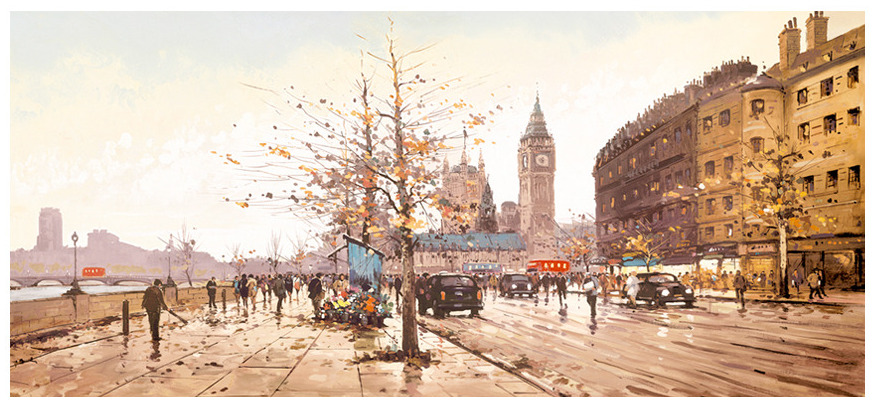
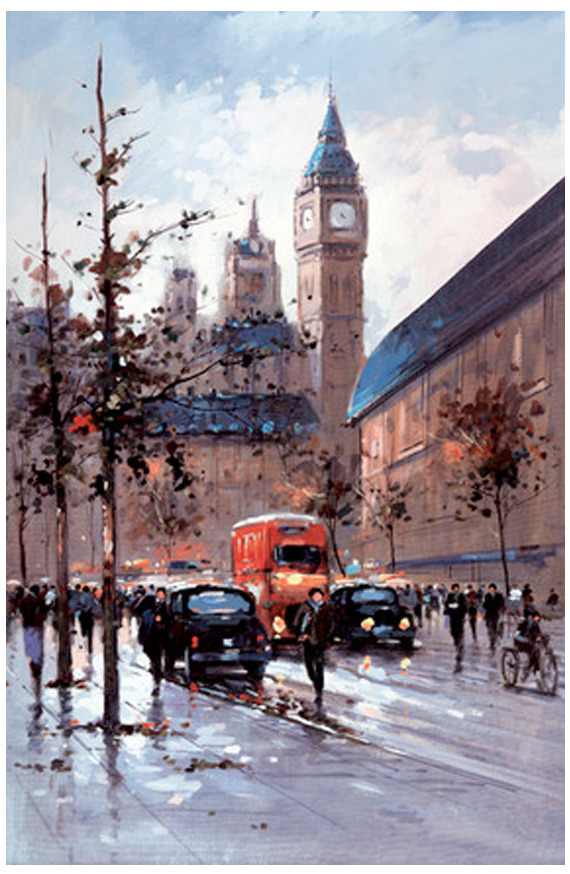
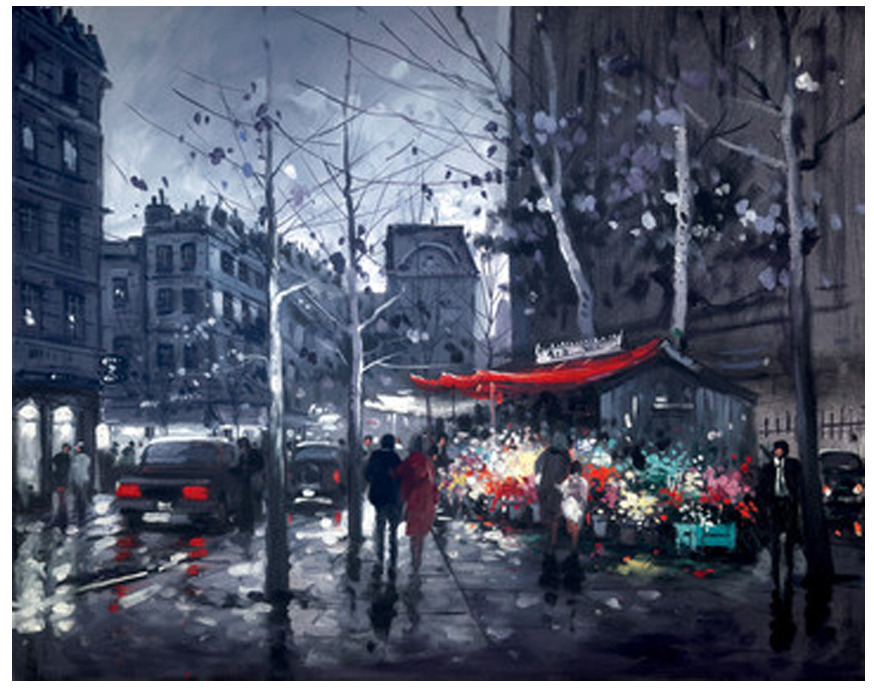
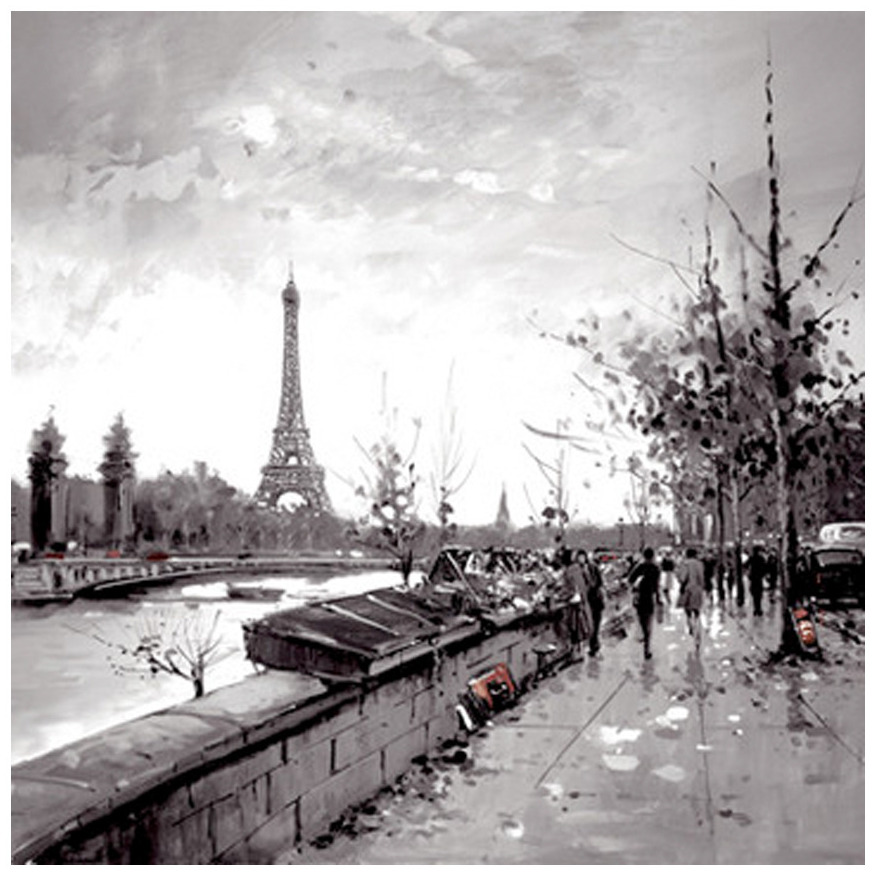
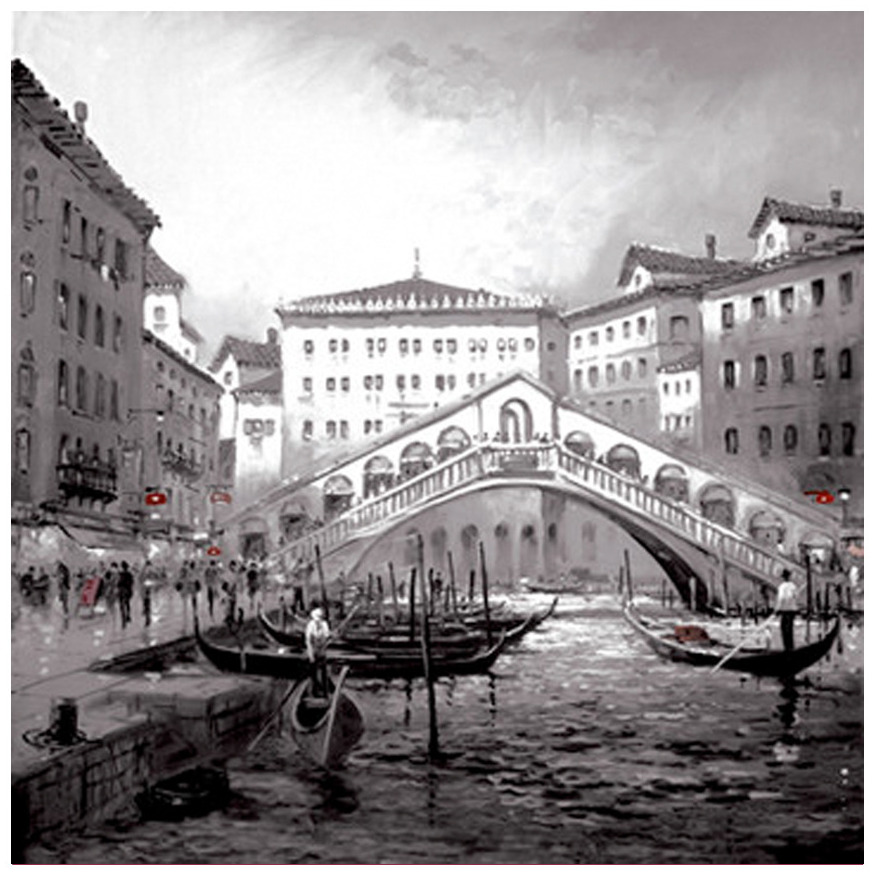
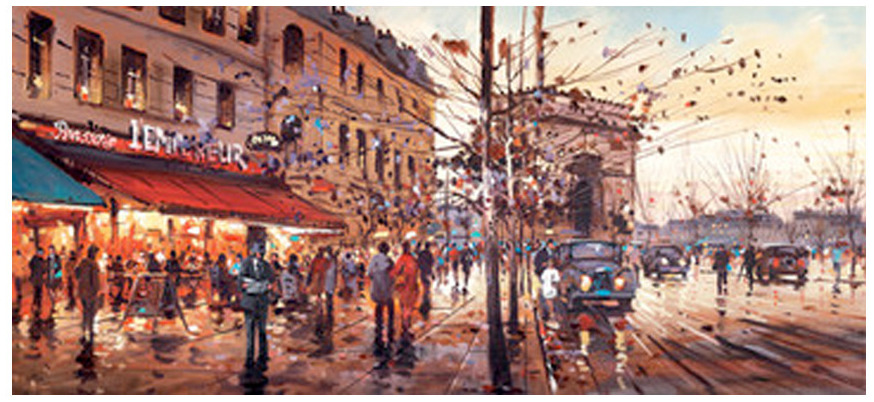
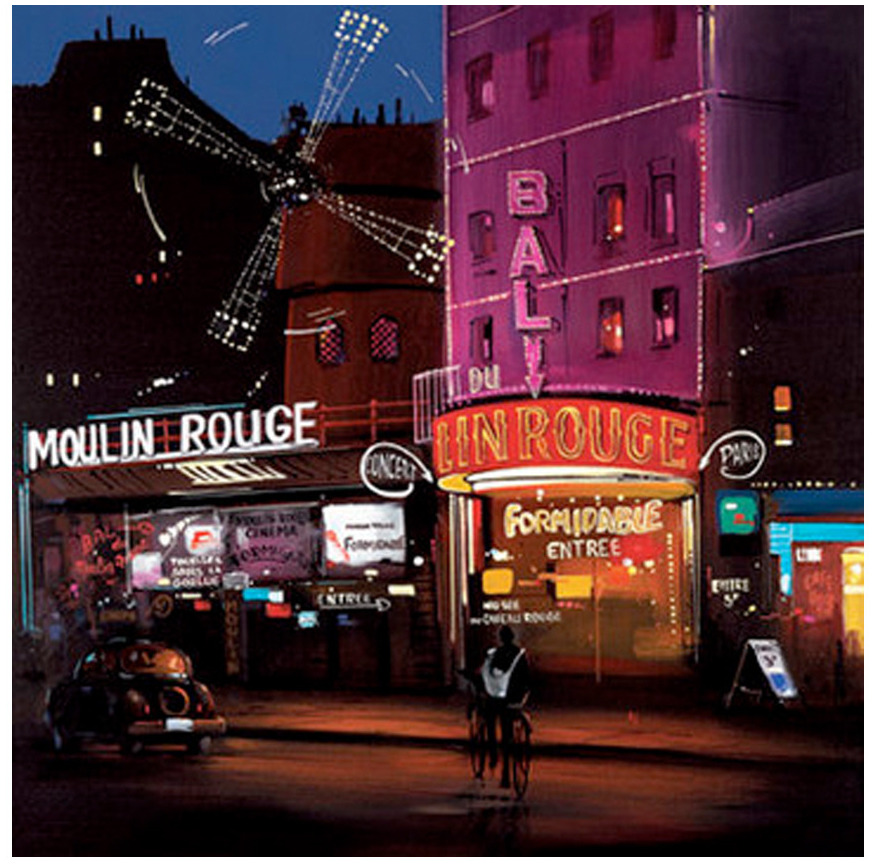
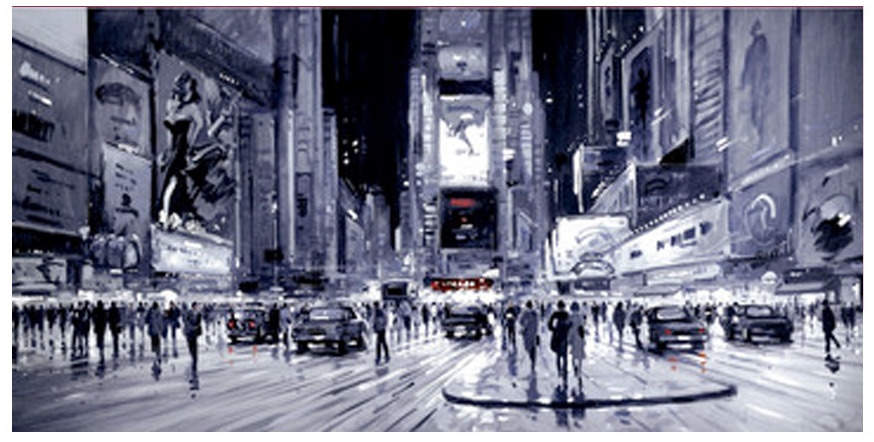
[Gallery] Henderson Cisz

Posted on June 25, 2012January 29, 2020 By admin

Born in Brazil in 1960, Henderson grew up in a small village near Maringa. His talent for painting was clear from as early age, but he never considered pursuing a career as an artist. Instead he entered the banking profession and continued to enjoy painting as a hobby. By the mid 1980s however, Henderson had become convinced that art meant more to him than banking! In 1986 he moved to London in order to study painting, and to make his passion his profession. He has never looked back and now paints full time in his London studio.

A seasoned traveller, Henderson has spent time in Europe, Australia and of course his native South America. While he loves the ocean and has always found it a source of inspiration and joy, he is also a true city-dweller, and many of his most inspirational works feature scenes from the world’s most beautiful cities. Painting in acrylic, oil or watercolour on canvas, Henderson’s trademark palette utilises cool, soft tones to convey the atmosphere of his subject. His works are regularly displayed in London galleries and at international art fairs.

“I love the effect that weather has on the urban landscape and must confess to a particular fondness for the rain! Not only does it cast interesting shadows and reflections on the slick sidewalks, but it also dictates the stance of the figures. Their slightly defensive postures and hunched shoulders lend a very specific, and to my mind curiously engaging, mood to the overall scene.”

When he is not travelling, Henderson tends to spend the majority of his day painting in his studio which occupies a lovely West London setting close to the Thames. He admits to a great fondness for the UK, and judging by the unstoppable success of his dazzling cityscapes.

uncategorized

[Gallery] Alfred Gockel

Posted on June 25, 2012January 29, 2020 By admin

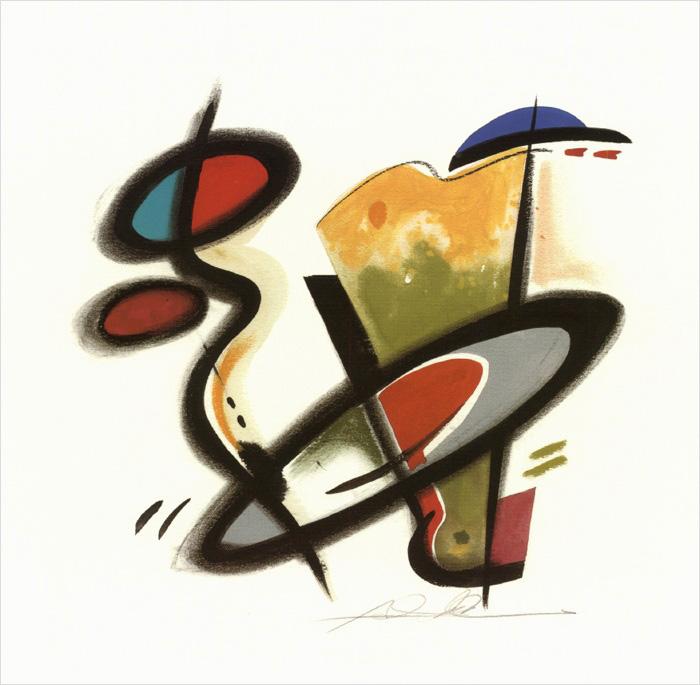
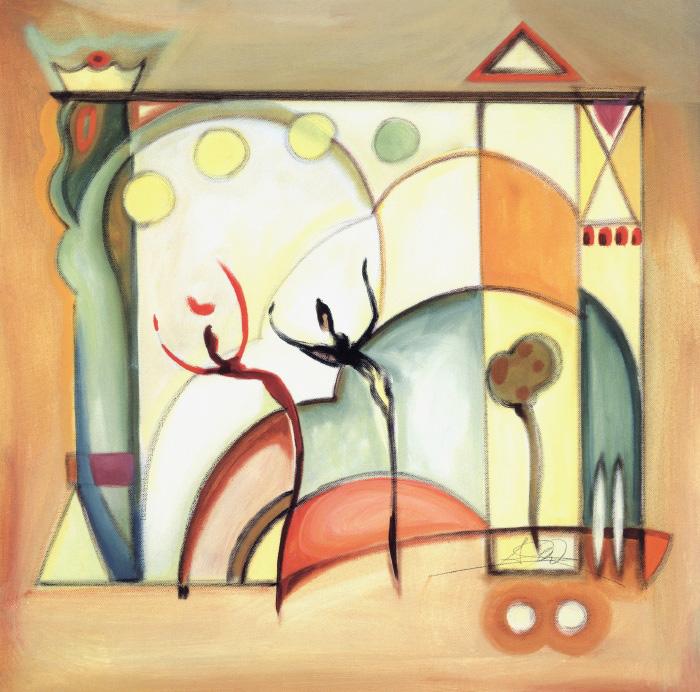
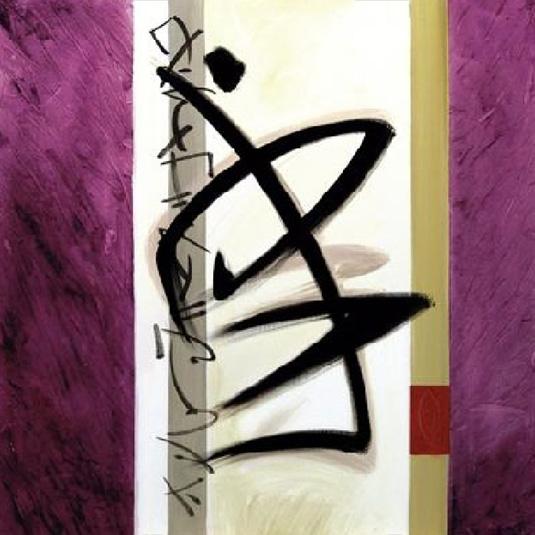
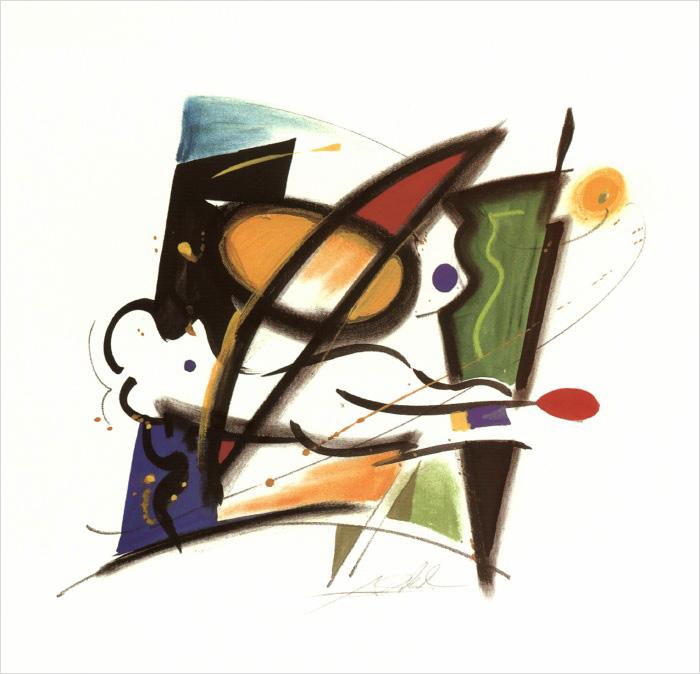
Alfred Alexander Gockel was born in Ludinghausen, Germany in 1952. From his earliest days on, he was fascinated by the magic of colors on paper.
This talent and enthusiasm resulted in the release of this first art work by a German publisher at the age of 8. His art is composed with the most beautiful lighted colors, trimmed with powerful black figures and accents. The separate colors and the black trims all fade together, and create an individual image for every spectator, no matter what culture or social position. The graphics are etchings, screen prints and lithographs, and are artistically connected to the unique sector. The distinctive style is automatically recognized as a true Gockel. However, with graphics the production and printing process is just as considerable as the artistic performance. In his collection we can notice the craftsmanship and dedication of a man who started his career at this field of study, and still can seduce his audience with his own passion.


uncategorized

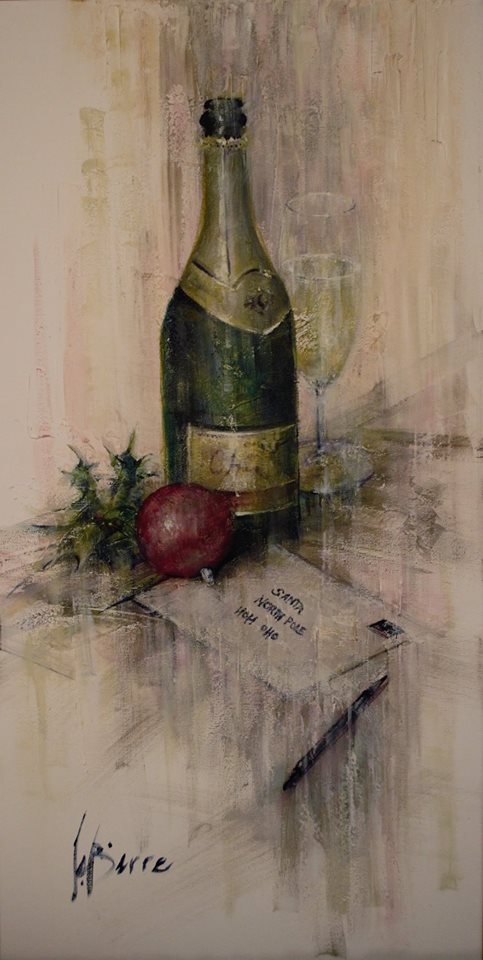
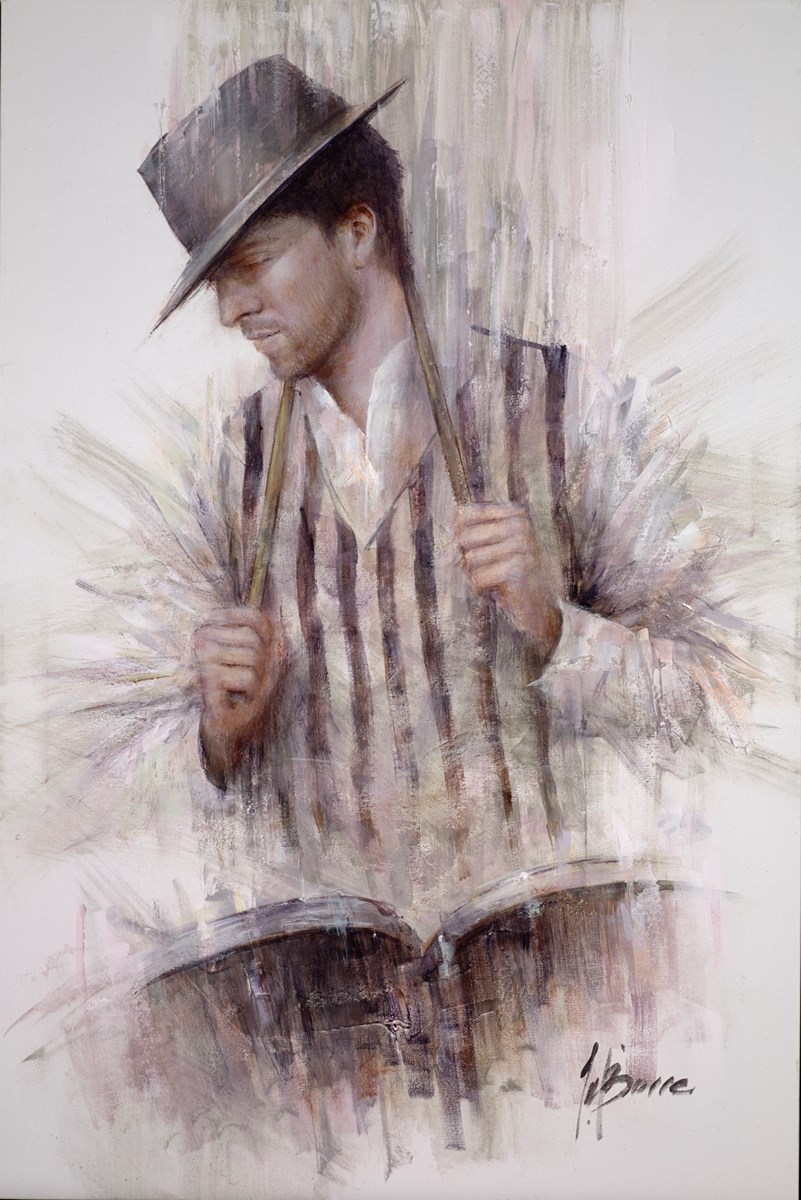
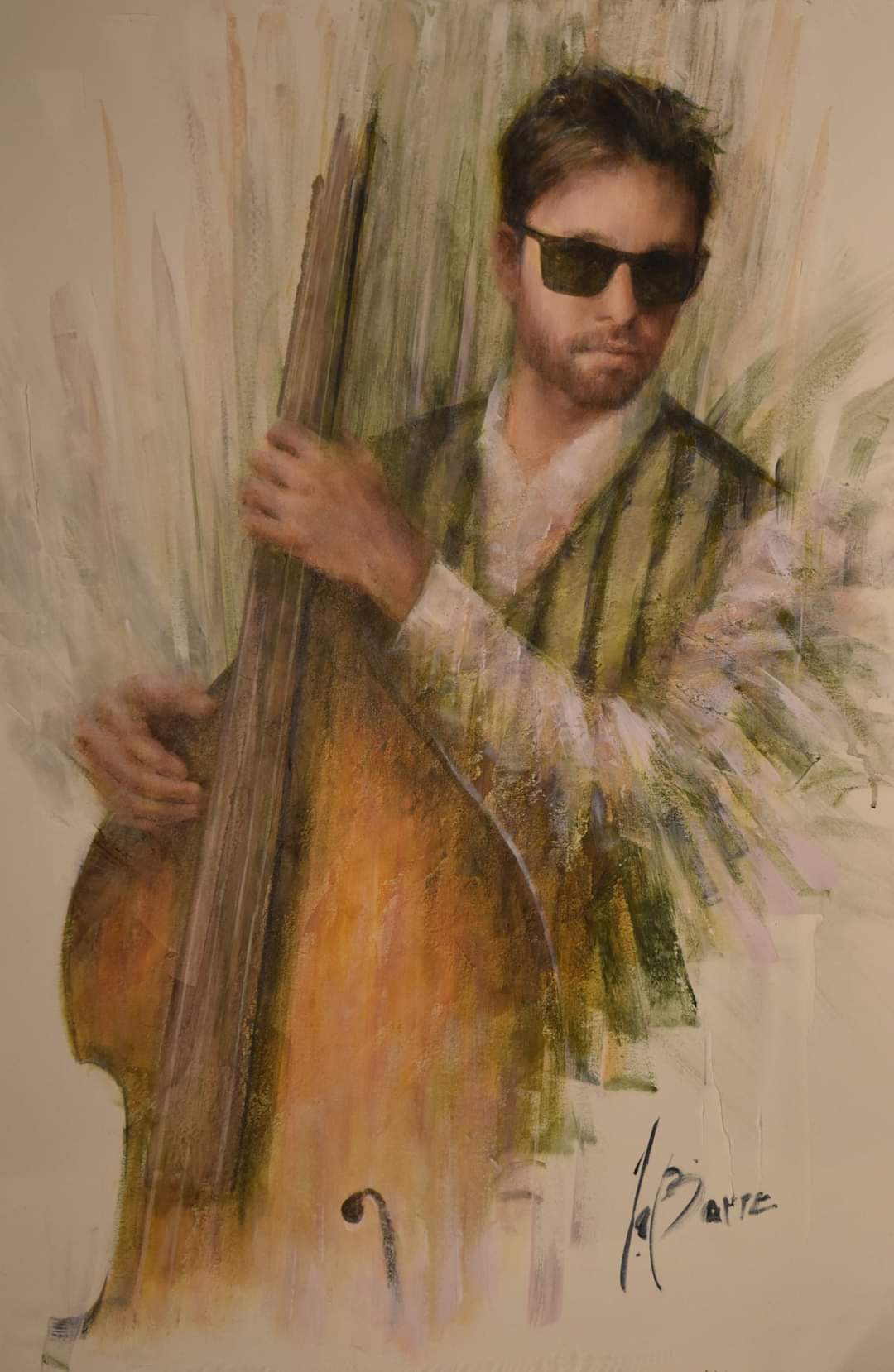
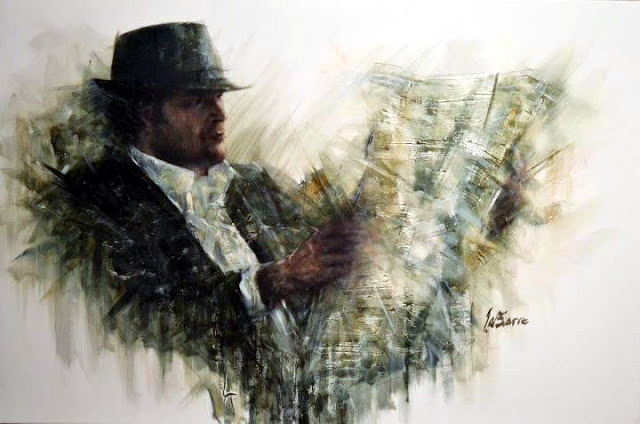
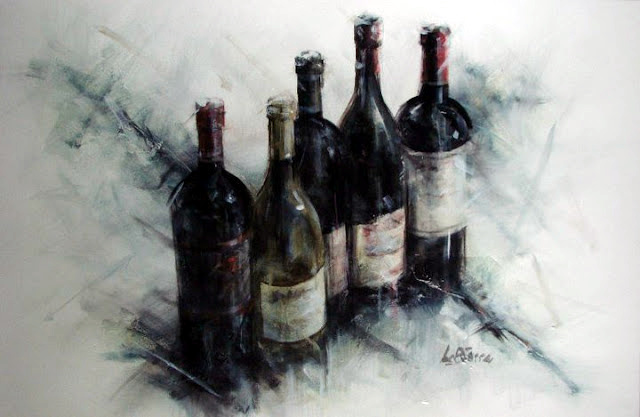
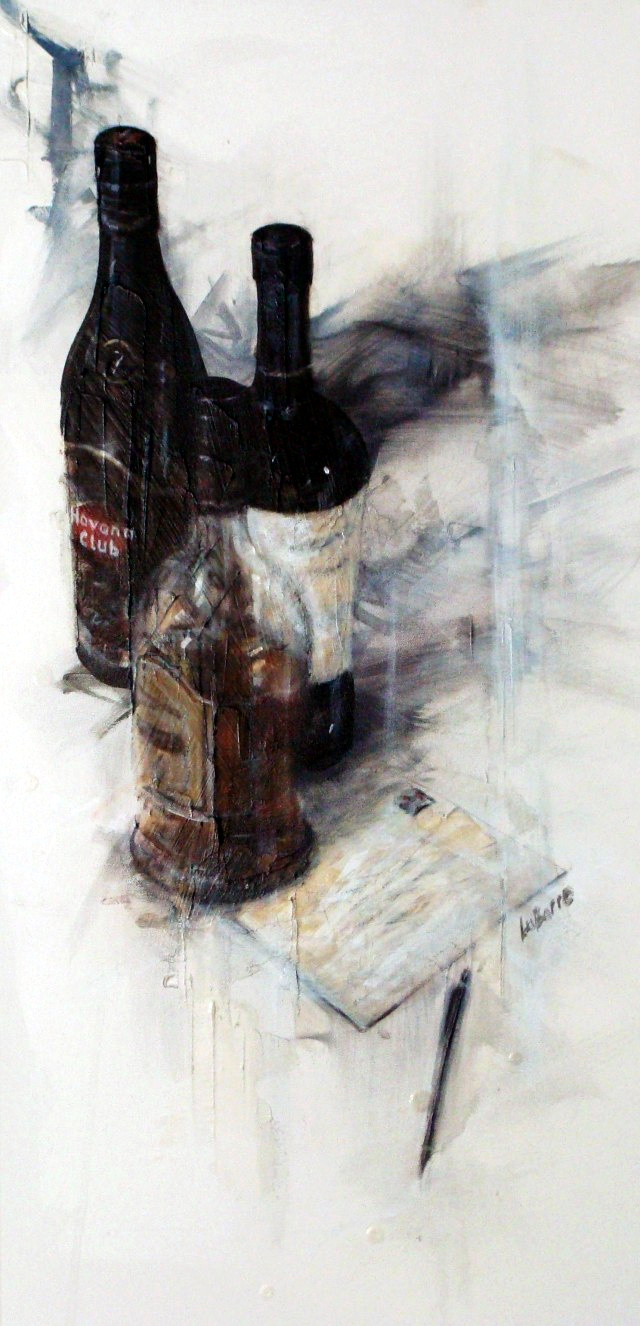
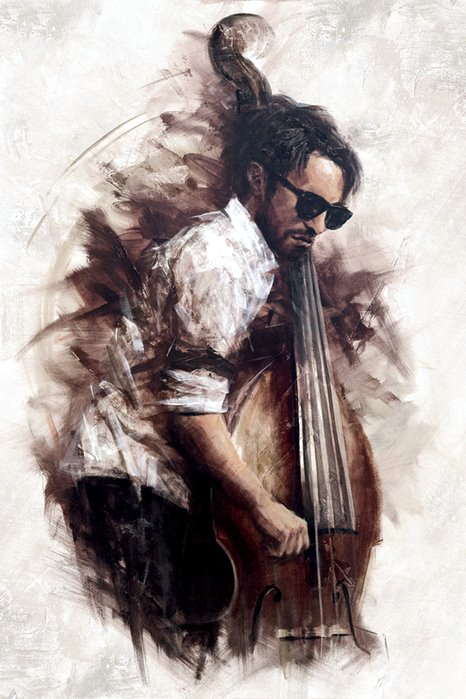
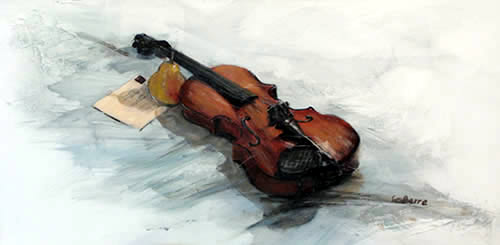
[Gallery] Remi Labarre

Posted on June 25, 2012September 4, 2023 By admin

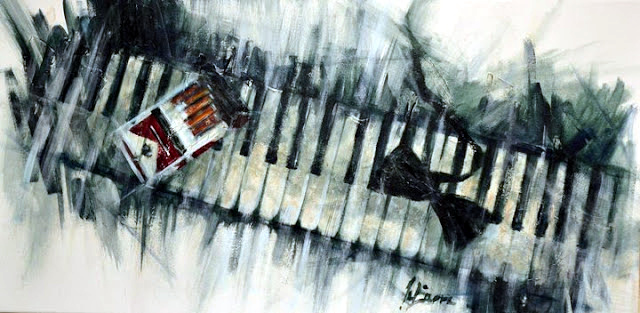
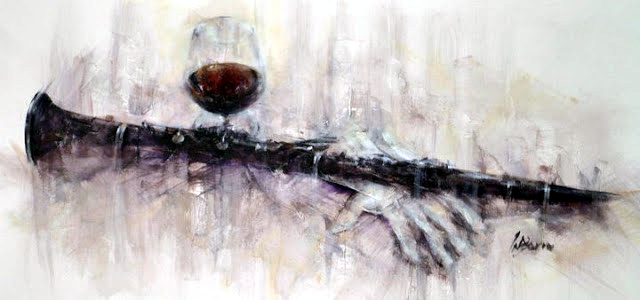
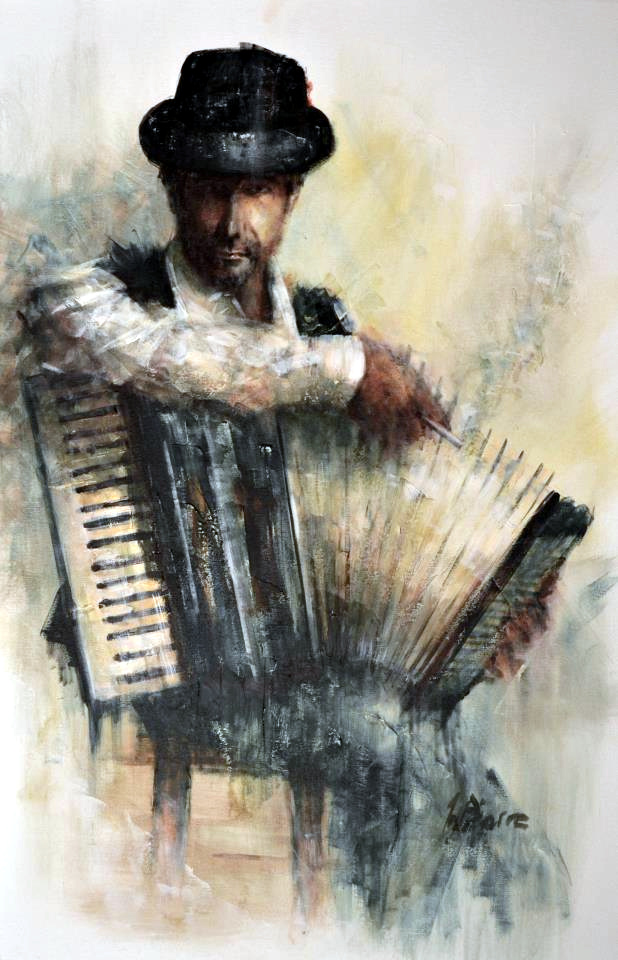
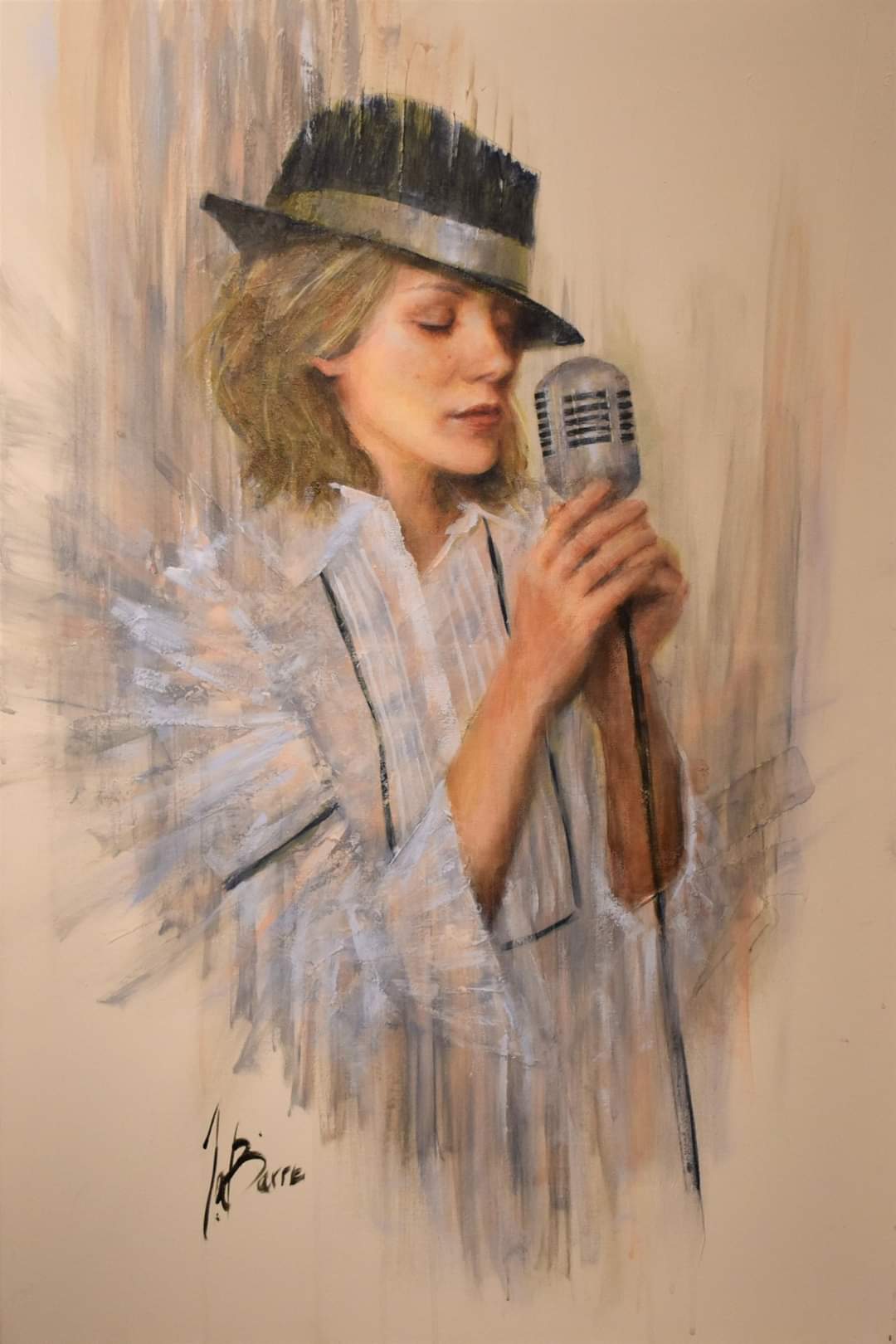
In 1977, in Thetford Mines, Remi LaBarre gets a first glance of the world. In his childhoold, he draws, often, on paperboards and paper… One day, a friend who paints suggests testing this medium. He thus gets some brushes, a few colors and his first painting will dry throughout the days of September 1994. Since then, several paintings, whether portraits or still life, all tales told. These canvases reflect the lighting of hushed environments pointing to the sensitivity of his influences, John Singer Sargent, Richard Schmid, Fabian Perez and Jack Vettriano.

Rémi LaBarre has participated in numerous group and solo exhibitions; has won different prizes and has received an important press coverage. Mr LaBarre’s work is getting international recognition and is now part of both private and public collections. One of the finest artistic satisfactions for this young man is knowing that Leonard Cohen and his entourage own and appreciate his portrait of this great songwriter and singer.

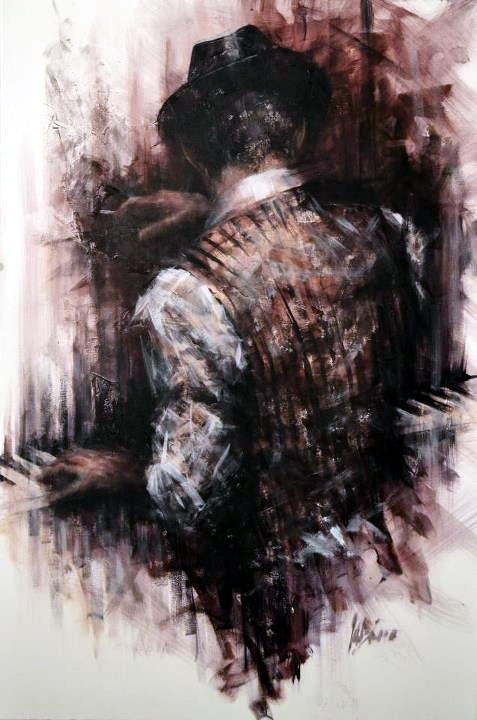
His inspiration comes from these evenings of shared looks between a man and a woman, from the drink that perhaps changed everything and from the musician who noticed it all from the stage…

uncategorized

[Recipe] Pasta with tuna and tomato sauce

Posted on June 25, 2012 By admin

Tuna packed in olive oil is highly recommended for this recipe. If all you have is tuna packed in water, you can try draining it and then adding olive oil to the can, and letting it soak in the olive oil in the fridge for several hours, but you will get the best results if you start with tuna packed in oil.

Ingredients

4 Tbsp unsalted butter
1 750ml can of tomatoes, whole or crushed
Salt
1 pound pasta shells
1/2 cup ricotta cheese
1 large can tuna packed in olive oil
1/4 cup fresh basil, chopped or torn
A generous 1/2 cup grated parmesan cheese

Method

1 Melt the butter in a medium pot on medium heat and add the can of tomatoes, including the juice. If you are using whole canned tomatoes (or fresh ones) crush them with your fingers as you put them in the pot. Simmer gently, partially covered, for 30 minutes.

2 Once the sauce is cooking, heat a large pot of well salted water to a strong boil. Add the shell pasta to the boiling water and cook at a vigorous boil, uncovered, until al dente, cooked through but still a bit firm to the bite, which is usually whatever the time specified on the pasta package minus about 2 minutes. Drain and set aside.

3 Pour off the excess oil from the tuna can and stir the tuna into the tomato sauce. Add the ricotta cheese, and add salt to taste. Turn off the heat. Mix the sauce with the pasta in a large bowl. Mix in the basil.

4 Pour the pasta into a 2 to 3-quart casserole dish and top with the parmesan cheese. Put under a hot broiler for 4-6 minutes, until the cheese is melted and lightly browned. Serve hot.

Yield: Serves 6-8.

uncategorized

Posts pagination

1 2 … 4 Next

Power to the beaver!

Show me the beaver!
June 2012
M T W T F S S
 123
45678910
11121314151617
18192021222324
252627282930  
« May   Jul »

Quote of the day

A good bookshop is just a genteel Black Hole that knows how to read.
--(Terry Pratchett, Guards! Guards!)

Random Posts

  • I know I mentioned this before, but I can't seem to find it
  • [recipe] Baked cheesecake
  • gigglesnort!
  • Twas the night before Christmas
  • A sad fact…
reading leopard

Tags

bobble the little blue owl boobies brought to you by the fda cats chonk christmas comics computers are evil covid-19 dealing with idiots dilbert dog ducks galleries geek god bless the land of the free holidays house I am Canadian land of cheese and chocolate linked news lolcat london news from the stupid not my dog nsfw pets pictures potd2014 qotd random shit re-member recipes relationship shrill slice of life stress Tao the british way The Peanut things i miss travel video wine work

Archives

Meta

  • Log in
  • Entries feed
  • Comments feed
  • WordPress.org

Copyright © 2026 The beaver is a proud and noble animal.

Powered by PressBook Premium theme


Loading Comments...