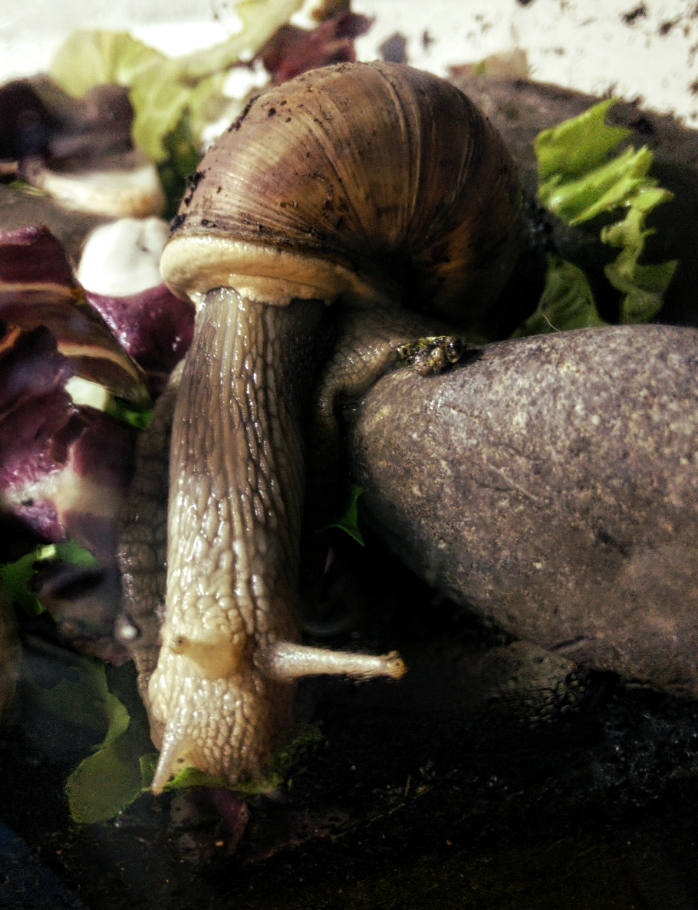
They’re fascinating creatures. The eye stalks can completely retract into the body. If you look closely, you can see then bite and chew. Totally random pet that turned into a good idea over time.

The beaver is a proud and noble animal
Notes from a bemused canuck
They’re fascinating creatures. The eye stalks can completely retract into the body. If you look closely, you can see then bite and chew. Totally random pet that turned into a good idea over time.
Ingredients
1 pound stemmed fresh chiles (such as jalapeño, serrano, Fresno, or habanero; use one variety or mix and match)
2 tablespoons kosher salt
1 1/2 cups distilled white vinegar
Preparation
Pulse chiles and kosher salt in a food processor until a coarse purée forms. Transfer to a 1-qt. glass jar, loosely screw on lid, and let stand at room temperature for 12 hours to ferment slightly.
Stir in vinegar and loosely screw on lid. Let chile mixture stand at room temperature for at least 1 day and up to 7 days. (Taste it daily; the longer it sits, the deeper the flavor becomes.)
Purée mixture in a food processor or blender until smooth, about 1 minute. Place a fine-mesh sieve inside a funnel. Strain mixture through sieve into a clean glass bottle. (Hot sauce will become thinner and may separate after you strain it; shake vigorously before each use.)
Notes
1. Chiles
This is perhaps the most important part: What kind of chiles do you like? Buy a bunch and try them. Nibble the tip, see how powerful they are and where the spice hits you (the tip of your tongue? the back of your throat?), and what other flavors they have. Then, once you know what you like, use those chiles.
Of course, it gets more complicated than that. You can roast or smoke chiles to alter their flavors or soften thick skins, which is particularly good for green chiles, since they tend to turn brown after being puréed. Cooking chiles mellows their heat, too; conversely, leaving them raw and including the ribs and seeds (but not the tough, bitter stems) gives you the full brunt of their power.
2. Acid
An acid is going to help draw out flavor, preserve the ingredients, and turn it into something you could truly call a sauce. The standard is 5% white vinegar. If you’re not concerned with creating a shelf-stable product, there are tons of other vinegars out there to play with. (I’m a big fan of the sweetness that apple cider vinegar brings.) Beyond vinegars, there are also citrus juices to add – but you shouldn’t cook them. Either add them at the end to complement a vinegar or use them in a raw sauce.
3. Aromatics
For some, aromatics such as carrots, onions, garlic, and ginger may be optional, but they contribute that garden-fresh flavor they’re after. They also tend to require some cooking, both to bring out their sweetness and temper either their texture or their raw power.
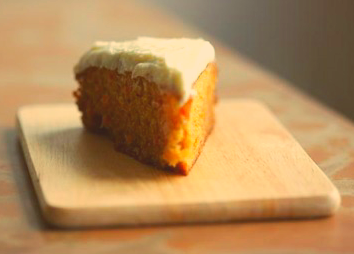
Ingredients:
175 g light muscovado sugar
150 ml sunflower oil
3 large eggs, beaten
160 g (fine to medium) grated carrot
Grated zest of 1 large orange
100 g wholemeal self-raising flour
75 g self-raising flour
1 teaspoon bicarbonate of soda
1 teaspoon ground cinnamon (freshly ground cinnamon is best)
For the Orange Glaze:
Juice of 1 large orange
2 tablespoons of caster sugar
For the Frosting:
200 g cream cheese (low fat is better)
Icing sugar to taste (I have left the quantity for you to decide, some like it sweet, some prefer, like me, not so sweet)
Directions:
Heat oven to 160 C (Fan).
Put sugar, oil and beaten eggs into a large bowl, and thoroughly combine with a spoon, beating lightly. Stir in carrots and orange zest.
Mix flours, bicarbonate of soda, and cinnamon together, then sift into bowl and lightly mix.
Pour mixture into prepared tin (18 cm square loose bottomed, greased and lined with baking parchment)
Bake for 45 mins, and a wooden skewer comes out clean. Leave to cool in tin, but remove before decorating.
Squeeze the juice of the orange into a pan (sieve to remove all that isn’t juice), and add sugar, and heat slowly until sugar has dissolved. As soon as cake is out of oven, brush the glaze all over the top of the cake and allow to soak in. Leave cake to cool completely, then remove from tin.
Mix together the cream cheese and icing sugar. Add more icing sugar if you prefer it sweeter.
Spread the frosting all over the top of the cake, and swirl it a knife.
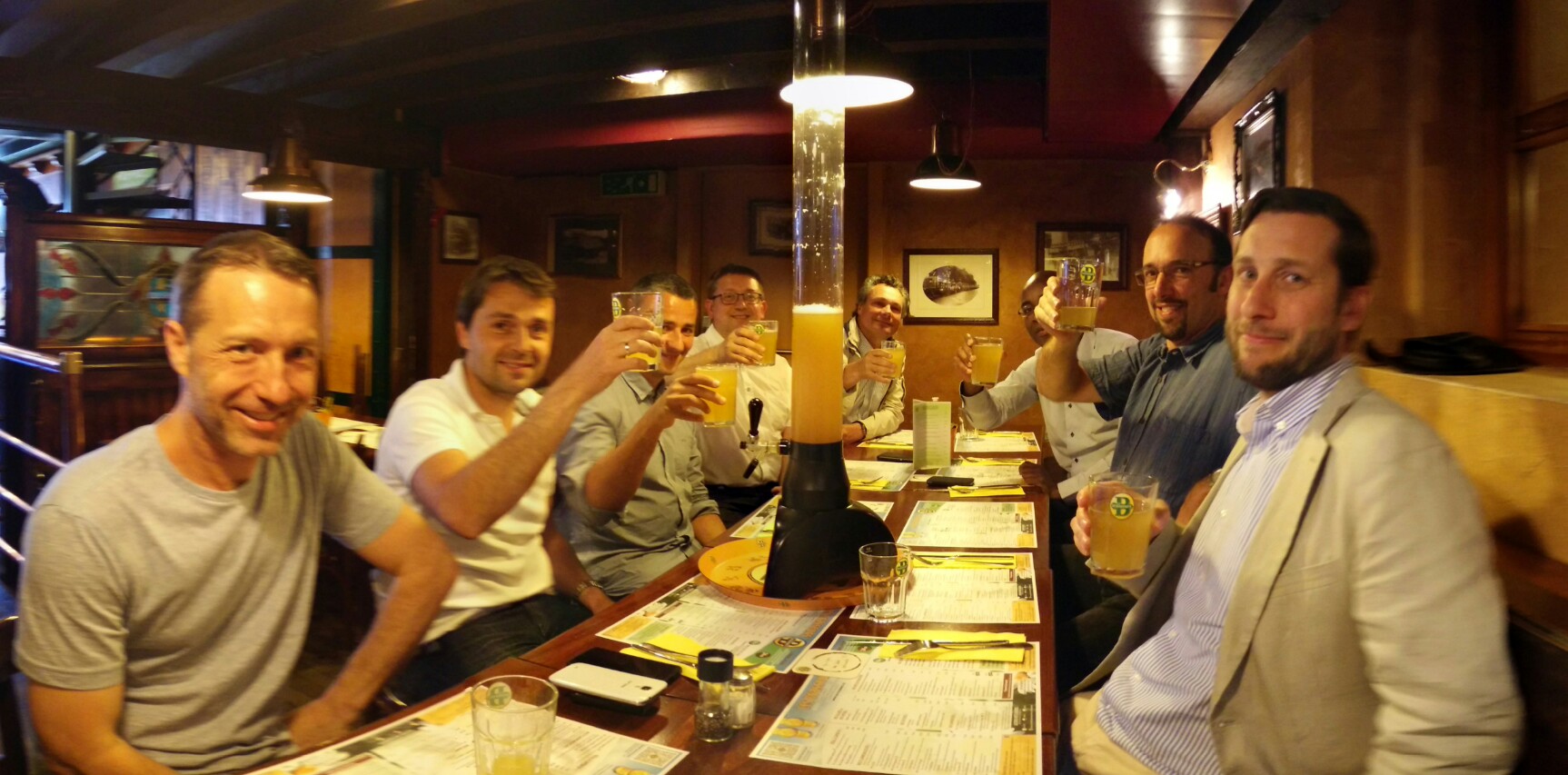
Katy and I have been seeing anti-Monsanto graffiti all around Morges for the last couple of days. We weren’t really sure why, until we did a bit of Googling. Apparently, Monsanto has its EMEA HQ in Morges. Also, apparently, while we enjoying wine in the vineyards last Saturday, a bunch of yahoos were trucked in as part of an organized protest march. While most of the protest was “peaceful”, a small band of idiots took it upon themselves to vandalize local business that have absolutely nothing to do with the issue under protest.
In Morges, where Monsanto has its headquarters for Europe, Africa and the Middle East, they were more than a thousand according to police, and more than 1,600 according to organizers, to express their anger against the US group. Protesters have crossed the barriers that prevented access to the building and hundreds of them settled on the lawns of the site of the multinational agrochemical. They faced about thirty riot police for more than an hour, but without confrontation. Only a few slogans were written on the pavement in front of the offices. Previously, protesters marched in the city without incident, although much to the surprise of town residents who were finishing up their weekend shopping in the market.
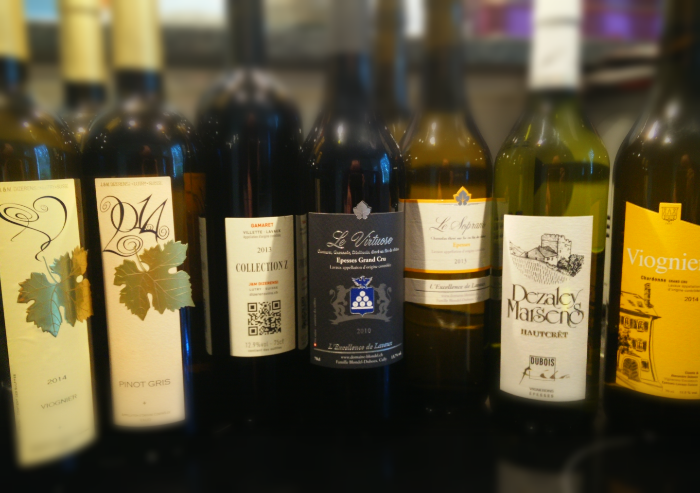
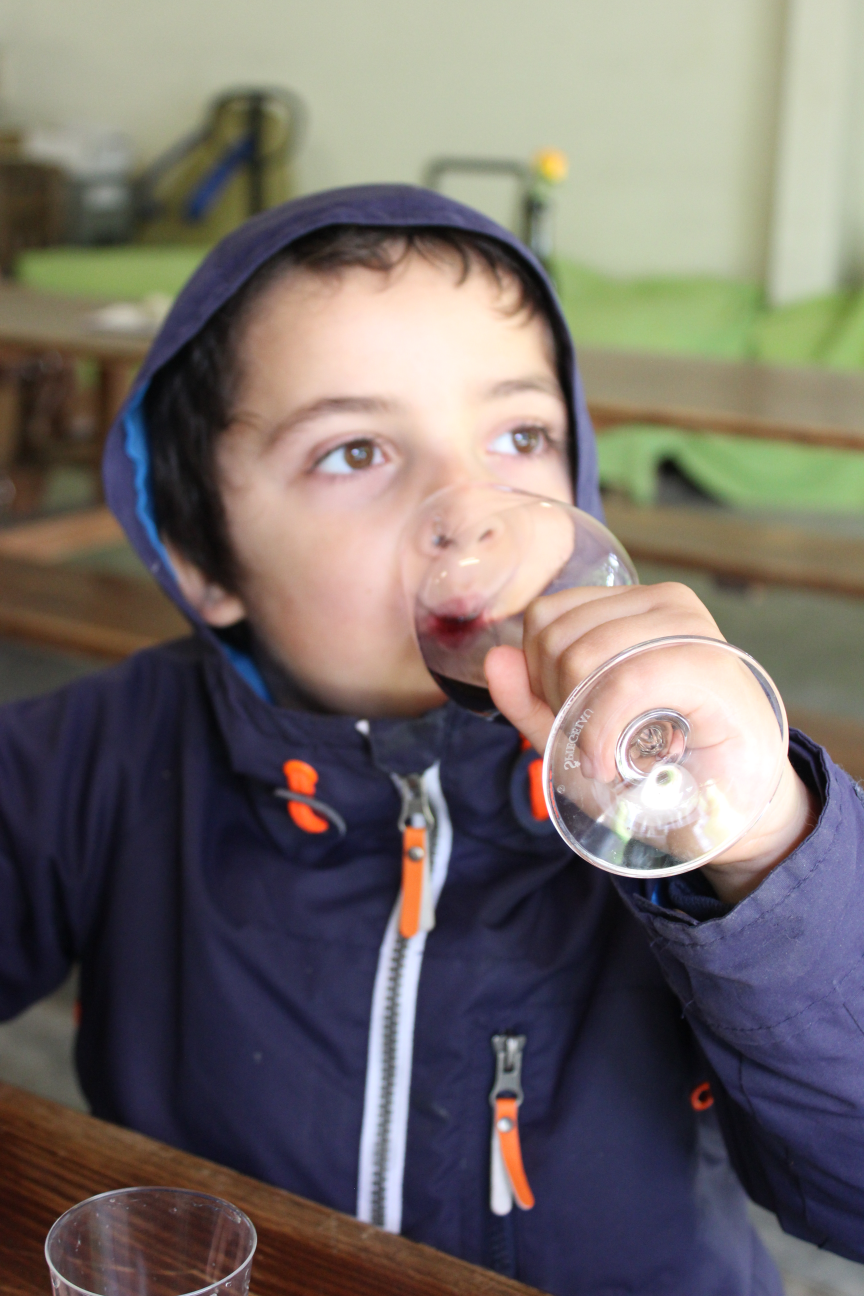
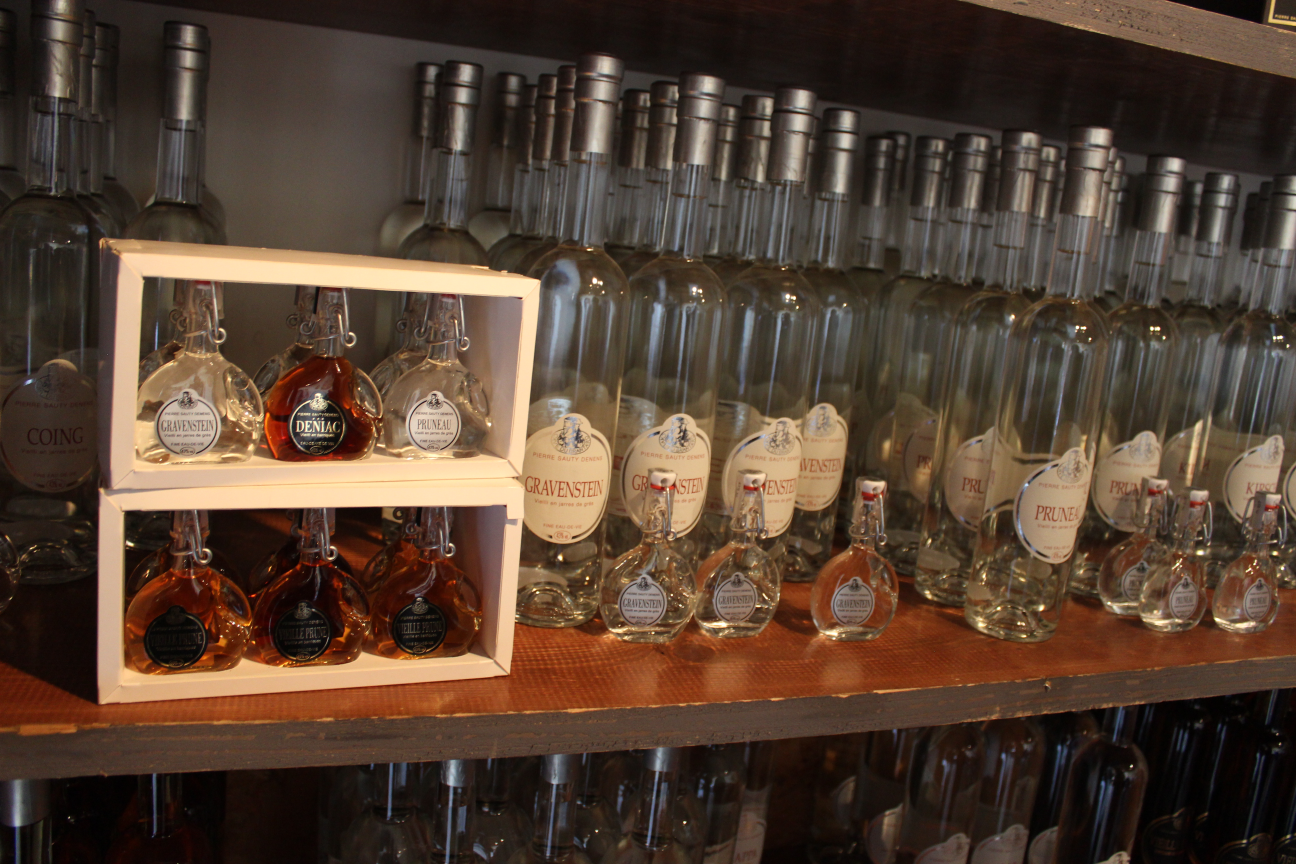
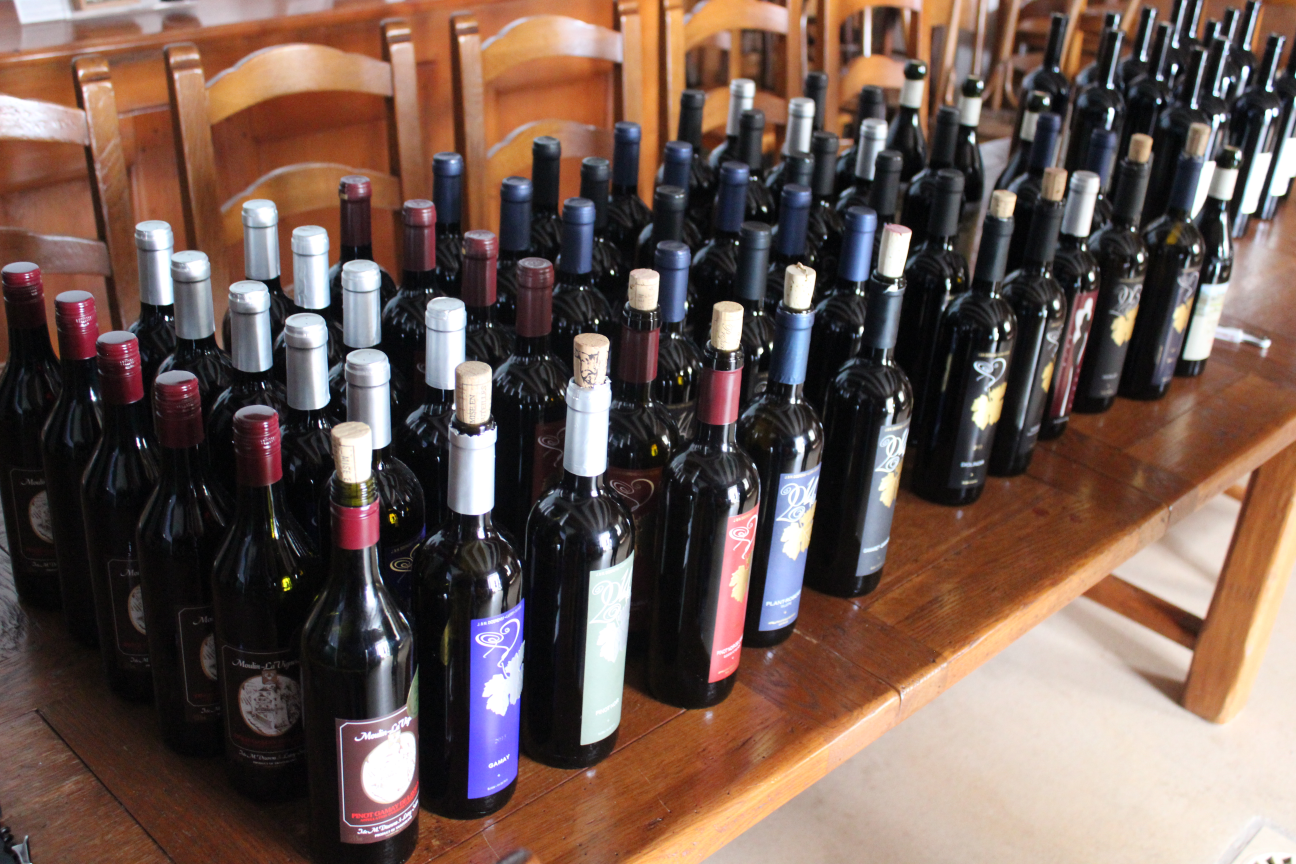
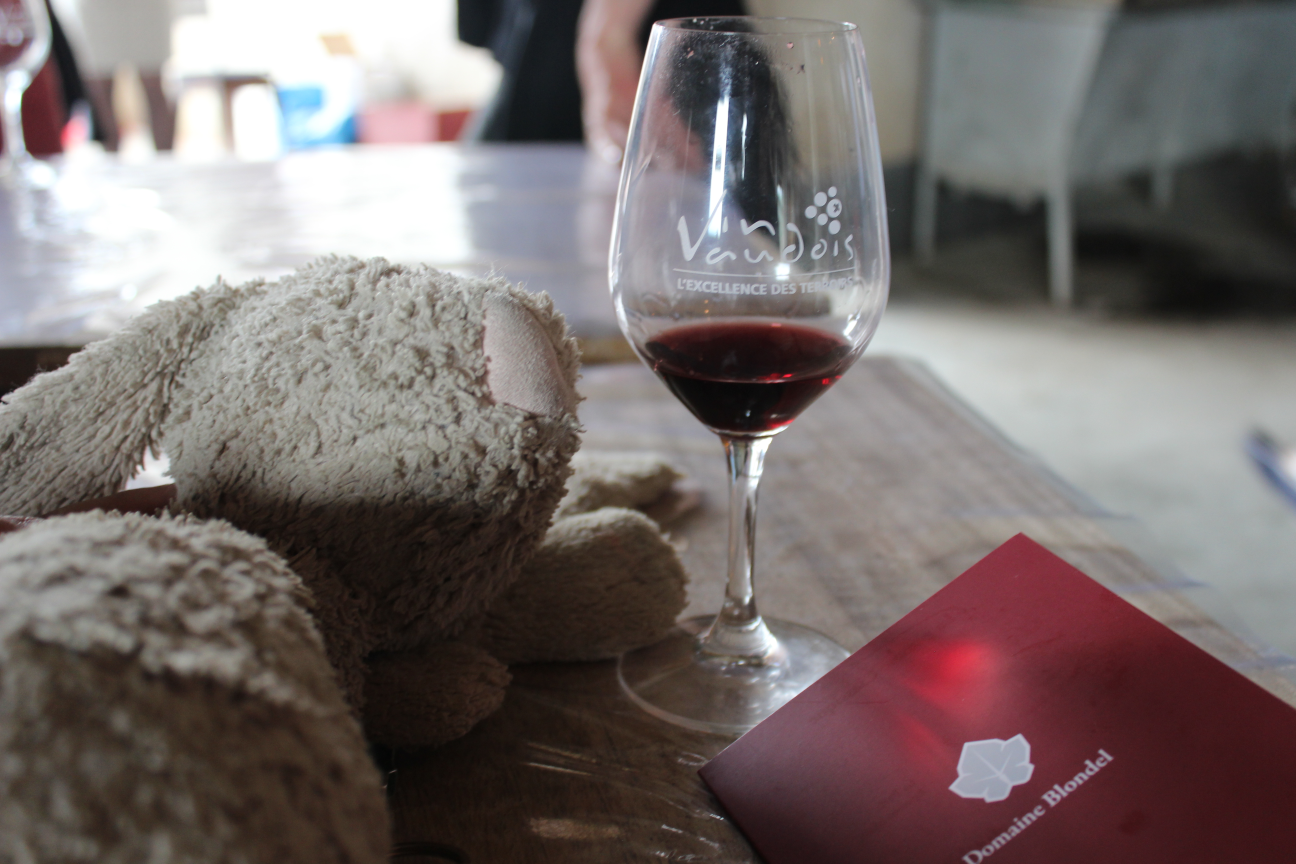
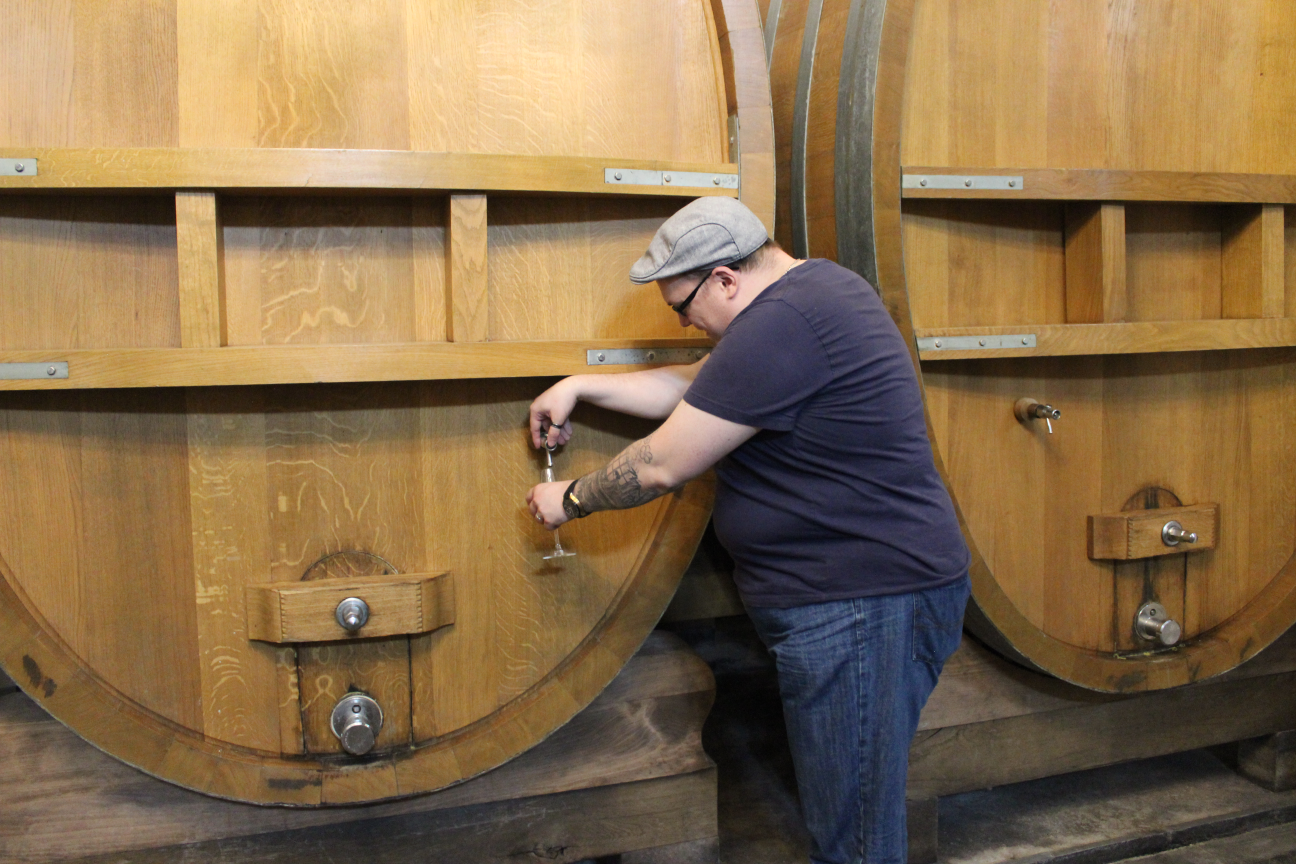
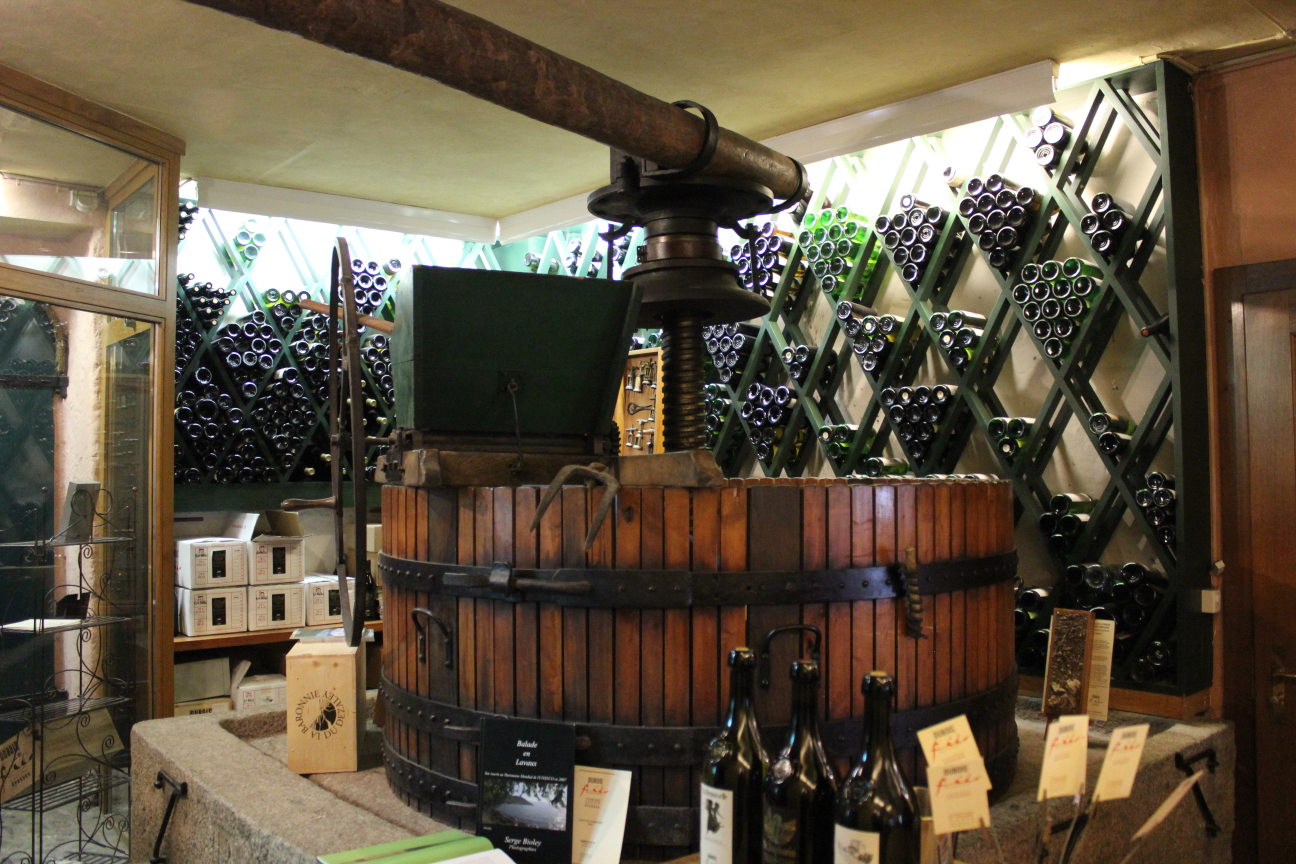
So, yesterday we did the La Côte AOC region. Today, we did the Lavaux AOC region. We found some really good wines, though quite a few were rather meh.
All in all this weekend, we came back with 16 bottles of wine and visited over a dozen producers.




Those are some nice elbows though…
Tim Shumate is a 30-year-old Chicago-based artist with a degree in Editiorial Illustration from American Academy of Art, as well as a few years of Graphic Design from Illinois Institute of Art. He currently works as an Art Director at a Bradford Exchange designing sculptures and collectibles. Tim also works as a freelance tattoo design artist and illustrator by commission.