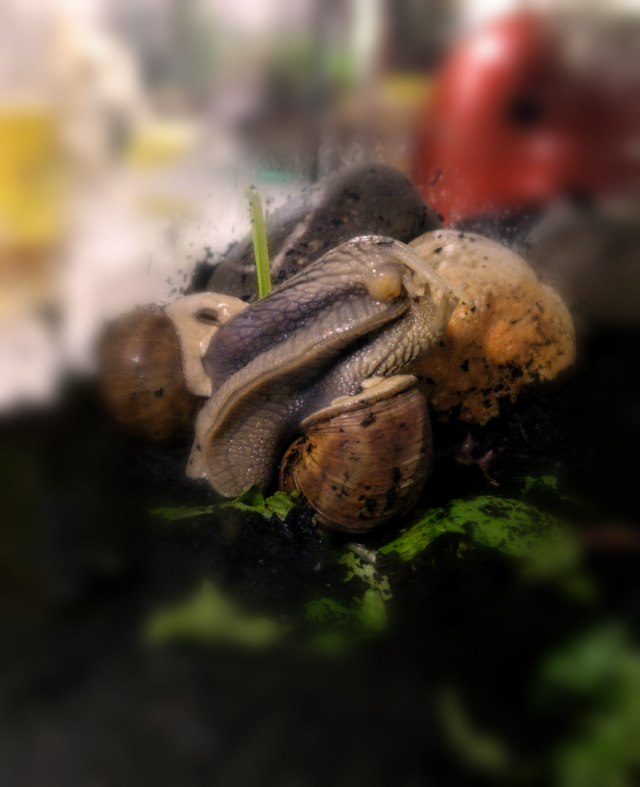
Two of our snails have been jiggy with it for the past couple of hours today. Rock on, sweet, sweet hermaphrodite gastropod mollusc lovin’.

The beaver is a proud and noble animal
Notes from a bemused canuck
Two of our snails have been jiggy with it for the past couple of hours today. Rock on, sweet, sweet hermaphrodite gastropod mollusc lovin’.
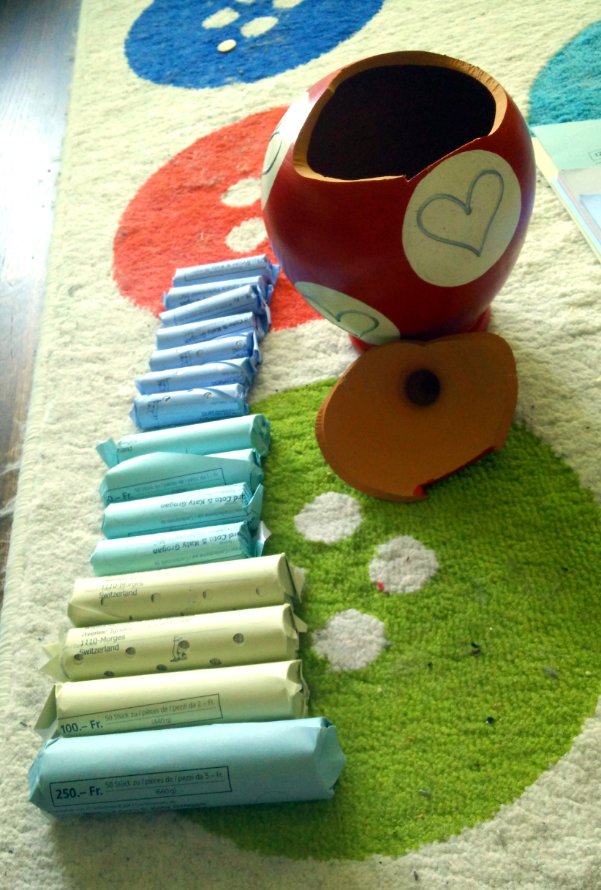
Spent my morning counting pennies, er, francs. We were far off the mark in our guesstimate of 2k but there was still a very respectable 1,111.25 CHF in the pot. Tattoo money :D
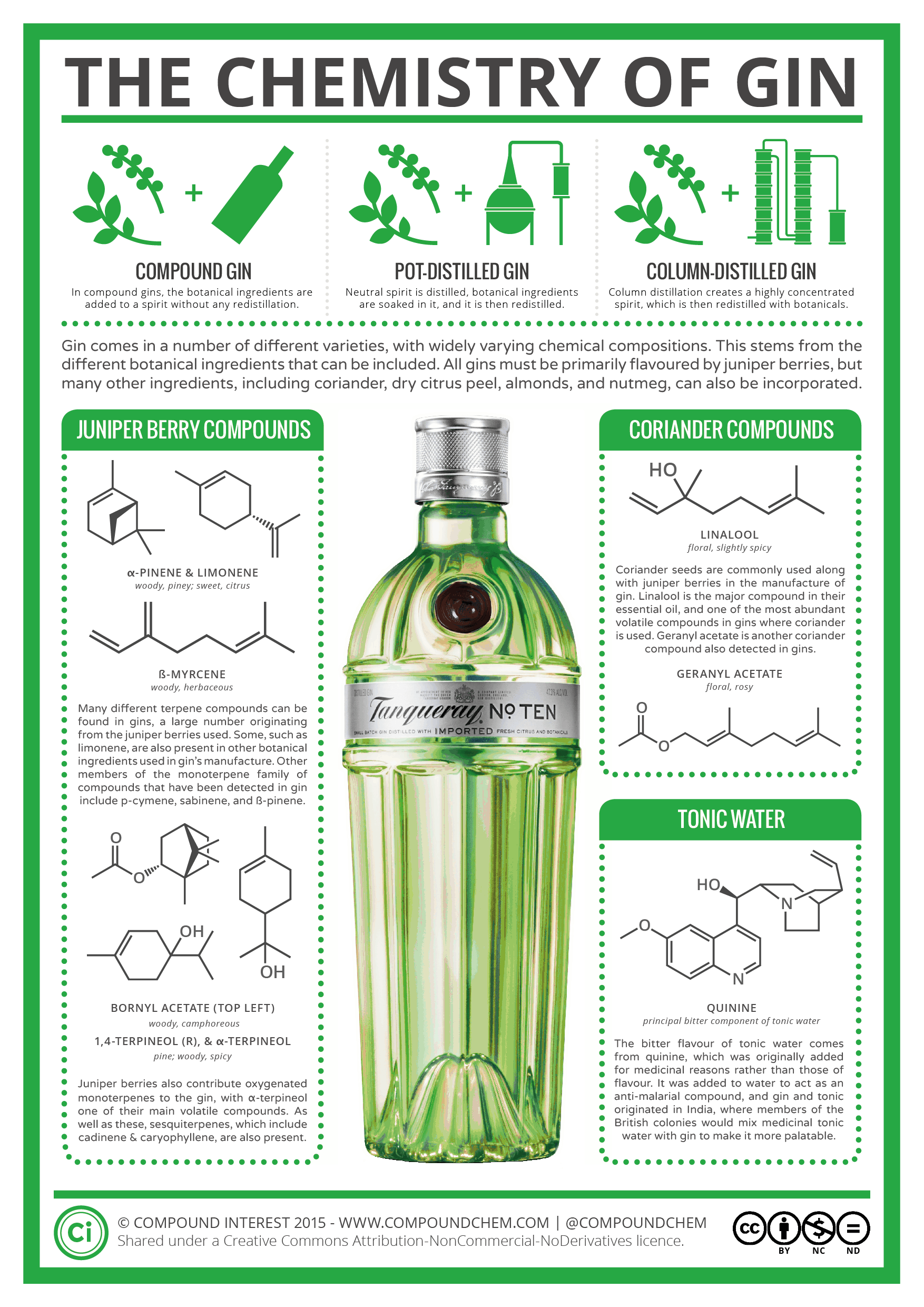
How did I not know that today is world gin day?? Madness. I shall have to put it in my calendar for next year.

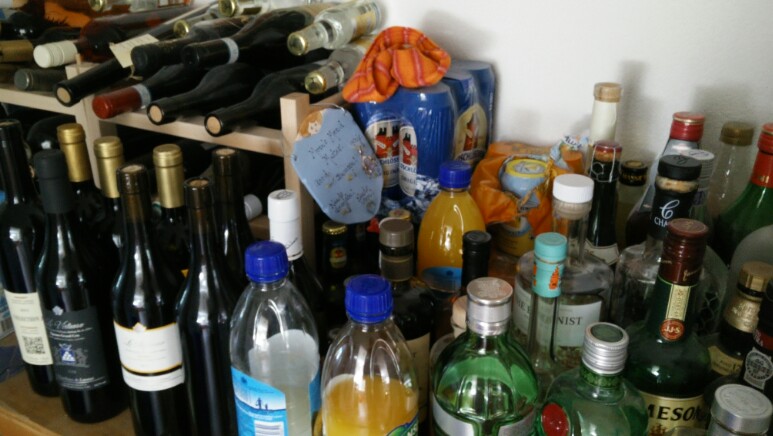
Running out of bar storage space.
The horror… The horror…
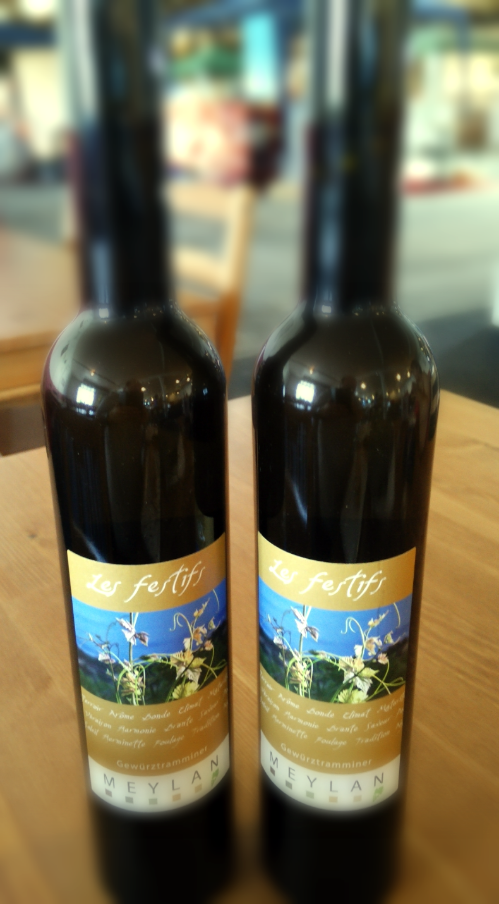
Daddy, you need to buy one of those bottles
.
So we did. And a few more.
I need to buy a wine cave.

The light outside has gone completely sepia. We can hear thunder rumbling in the distance. Going to be a nice evening.
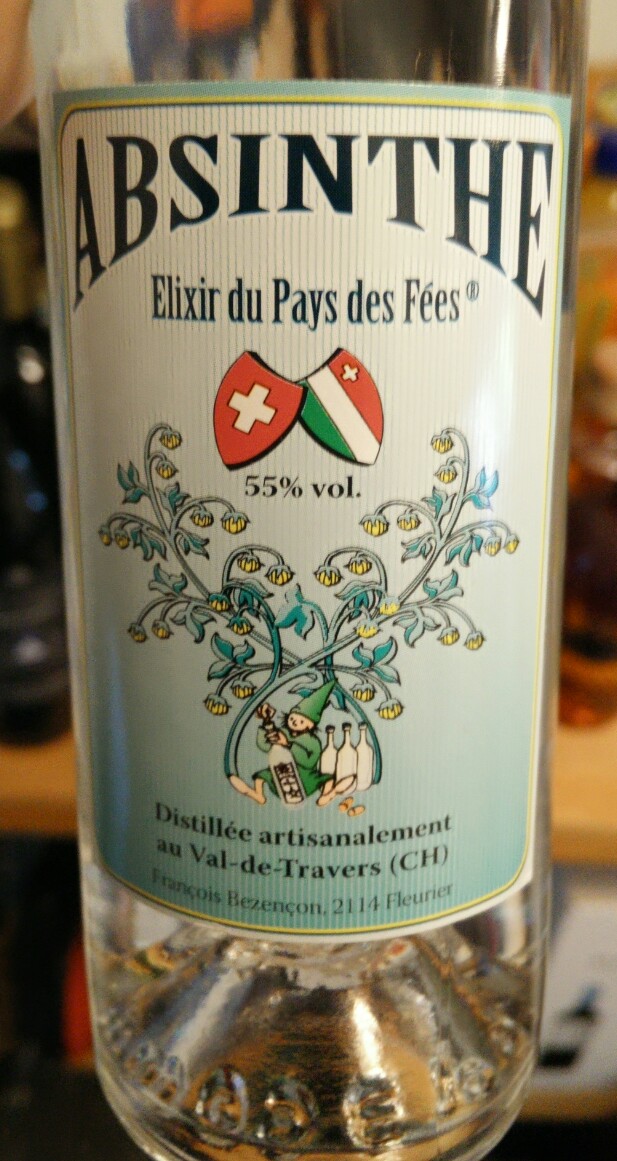
Bean tried absinthe. Scary part? He liked it.
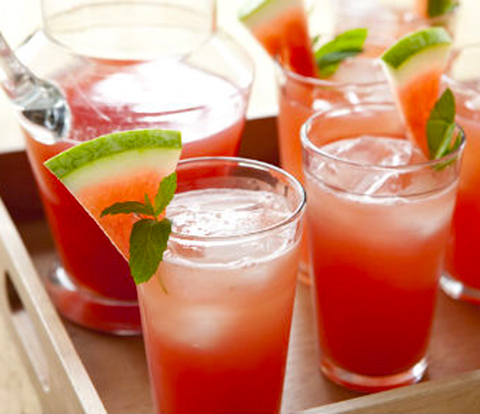
ingredients
8 cups 1-inch cubes of seedless watermelon (from about a 4 1/2 pound watermelon)
1 1/2 cups fresh lemon juice (roughly 8 lemons)
3 1/2 cups water
1 cup granulated white sugar
for serving: ice cubes or frozen watermelon cubes
lemon wedges/watermelon wedges for garnish
directions
working in 2 batches, blend watermelon and lemon juice in food processor or blender until smooth. pass through a wire sieve to remove any thick pulp/seeds. transfer to pitcher.
bring 3 1/2 cups water and sugar to boil in medium saucepan over high heat, stirring until sugar dissolves. add hot syrup to pitcher with watermelon-lemon juice. refrigerate until cold, about 2 hours.
fill glasses with ice (or frozen watermelon cubes). pour watermelon lemonade over and garnish glasses with lemon wedges.

As a colleague said earlier today, now is a good time to find a nice country with no extradition treaty with the US. Interestingly, both Russia and Qatar qualify, as do several African countries. Just sayin…
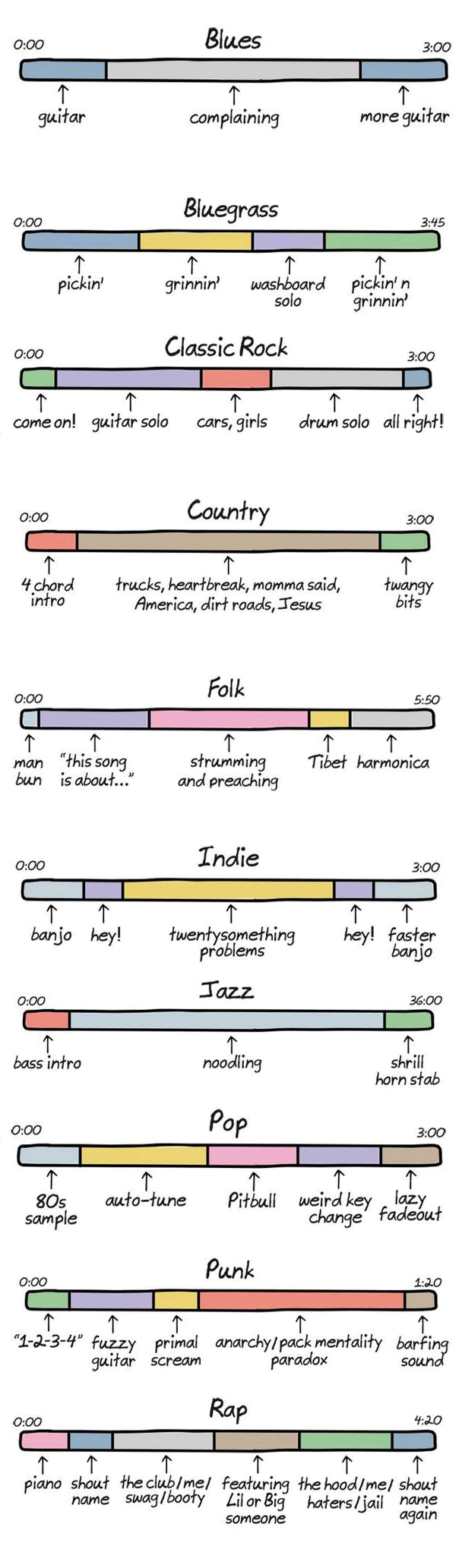 Click to embiggen