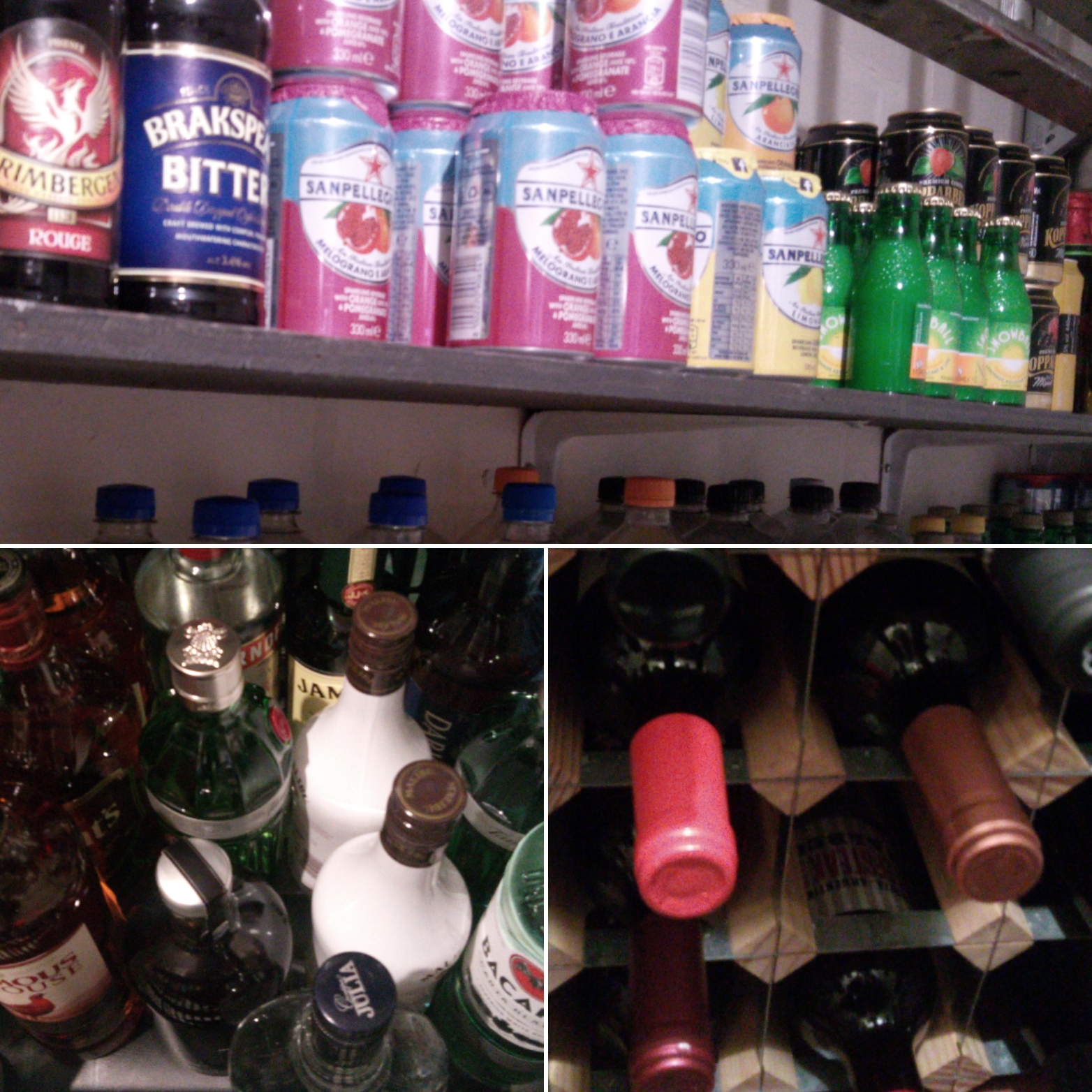
There’s enough booze to kill a small horse, twice.

The beaver is a proud and noble animal
Notes from a bemused canuck
There’s enough booze to kill a small horse, twice.
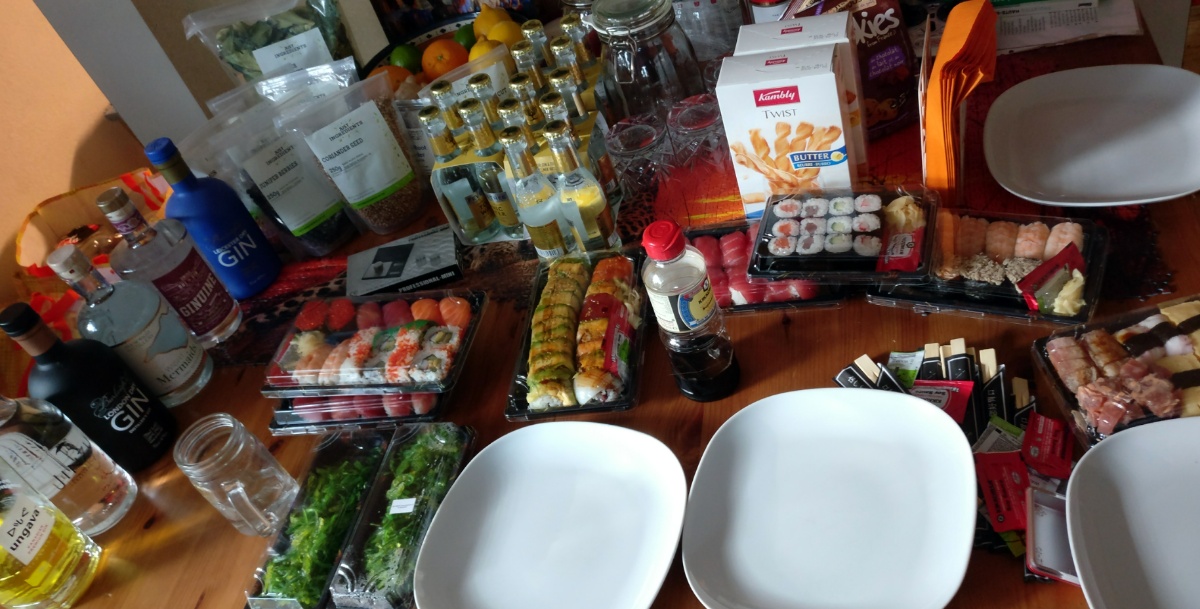
Sushi, gin and friends. Ingredients for a great evening.


We’re going shopping when we’re drunk and hungry this is bad.
We’re not drunk and hungry.
OK, we’re tipsy and peckish.
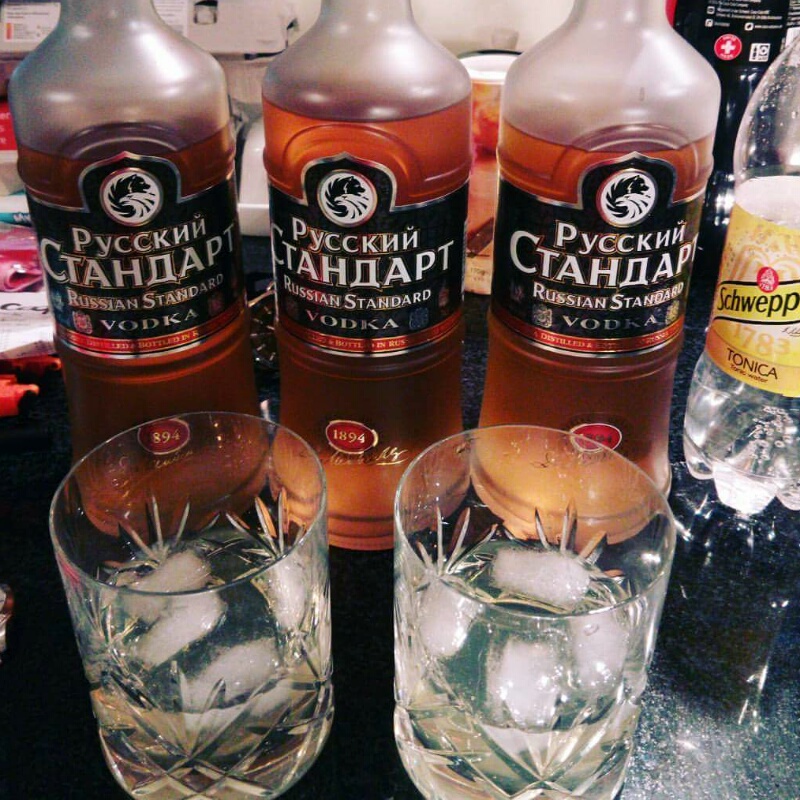
It’s not the best I’ve ever tried, but for a first try, it’s a success. Katy prefers hers, I prefer mine – we’ve yet to try the child’s one.
Edit: damnation, the child’s gin is dangerously drinkable. Katy and I both agree that it’s the best of the lot.
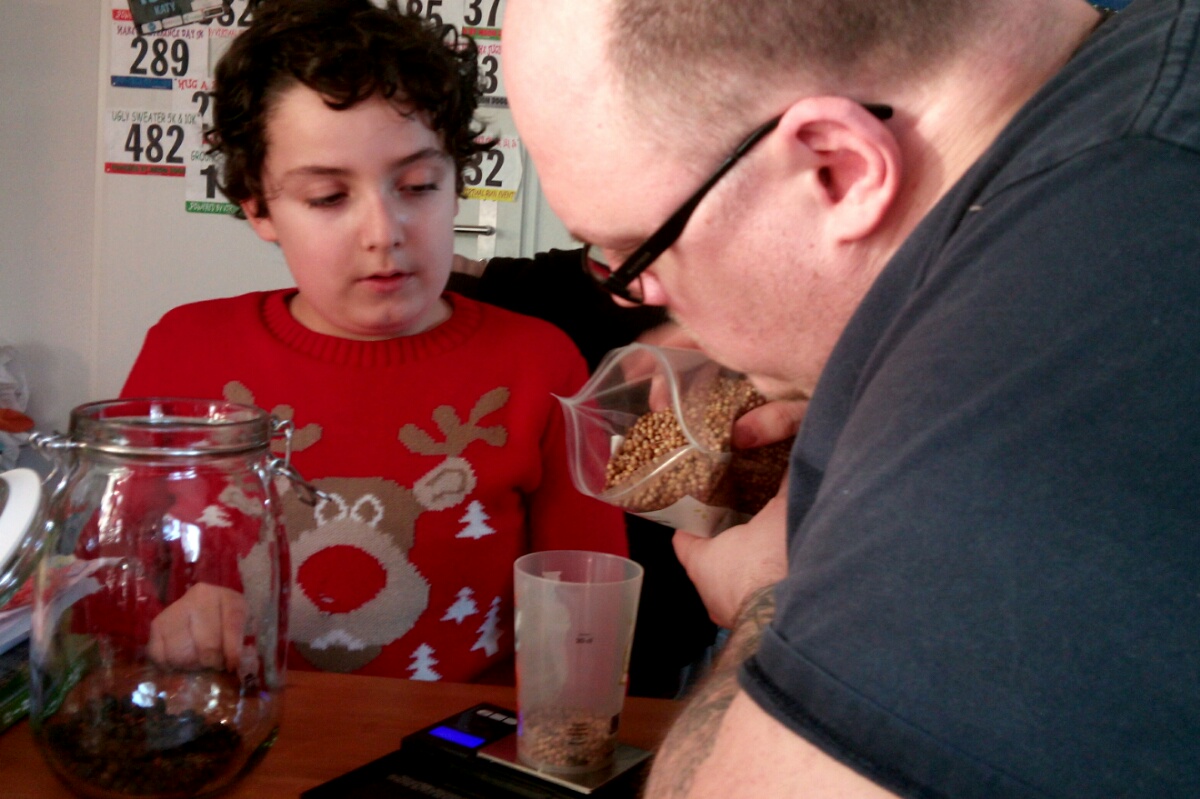
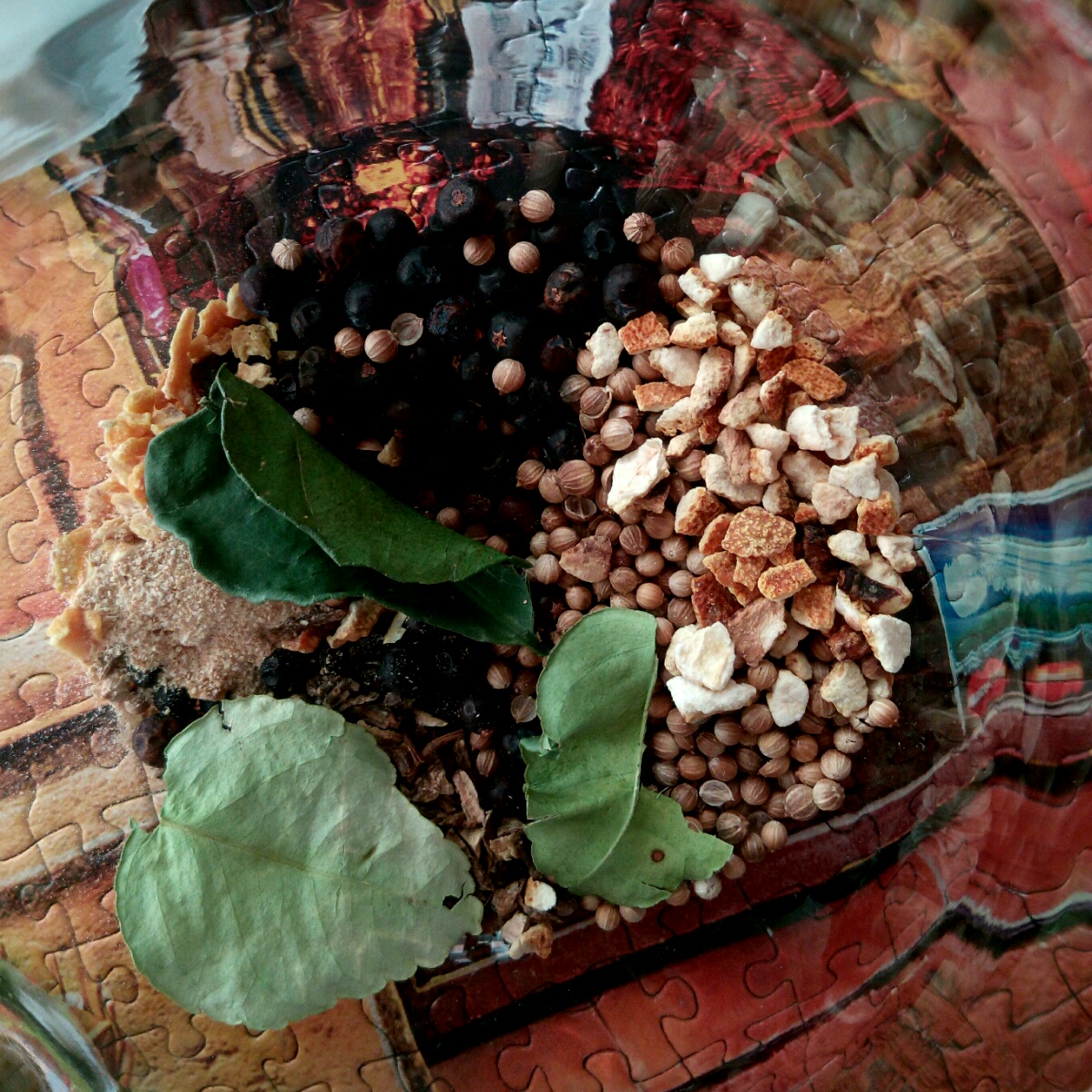
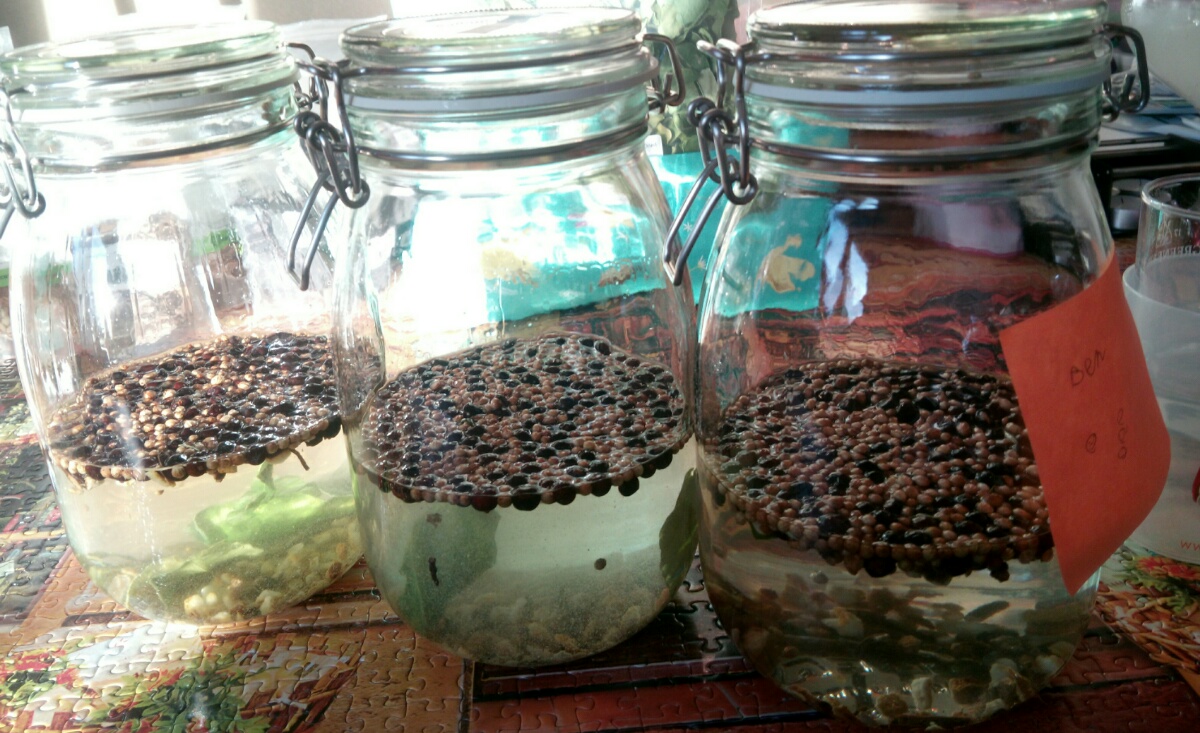
Katy, Ben and I are experimenting. Science, bitches, can you taste it? As the Mythbusters said: “Remember kids, the only difference between screwing around and science is writing it down”.
| Katy | Richard | Ben | |
| juniper | 25 | 20 | 24 |
| coriander | 10 | 8 | 9 |
| angelica | 2 | 3 | 2.6 |
| orris | 1.1 | 1 | x |
| bitter orange | 2.5 | 2.1 | 1.1 |
| orange | 2.5 | 1.8 | 2 |
| lemon | 2.2 | 1.9 | 0.6 |
| lime leaf | 1.06 | 0.5 | x |
| black pepper | x | 0.2 | x |
| rosemary | hint | x | x |
| cassia | x | x | 0.8 |
Notes: After 24 hours of steeping, both Katy and Ben put fresh apple peel in their gin (Ben lots). We also took out the cinnamon from Ben’s gin. After another 24 hours, we all put 3-4 fresh orange peelings and took out the apple where applicable. After another 24 hours, we filtered it through some coffee filters and bottled it.
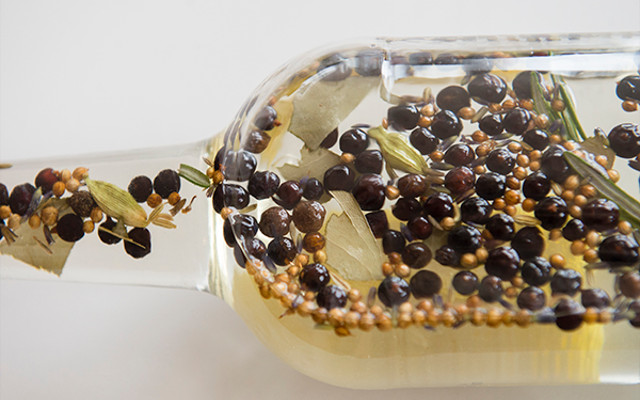
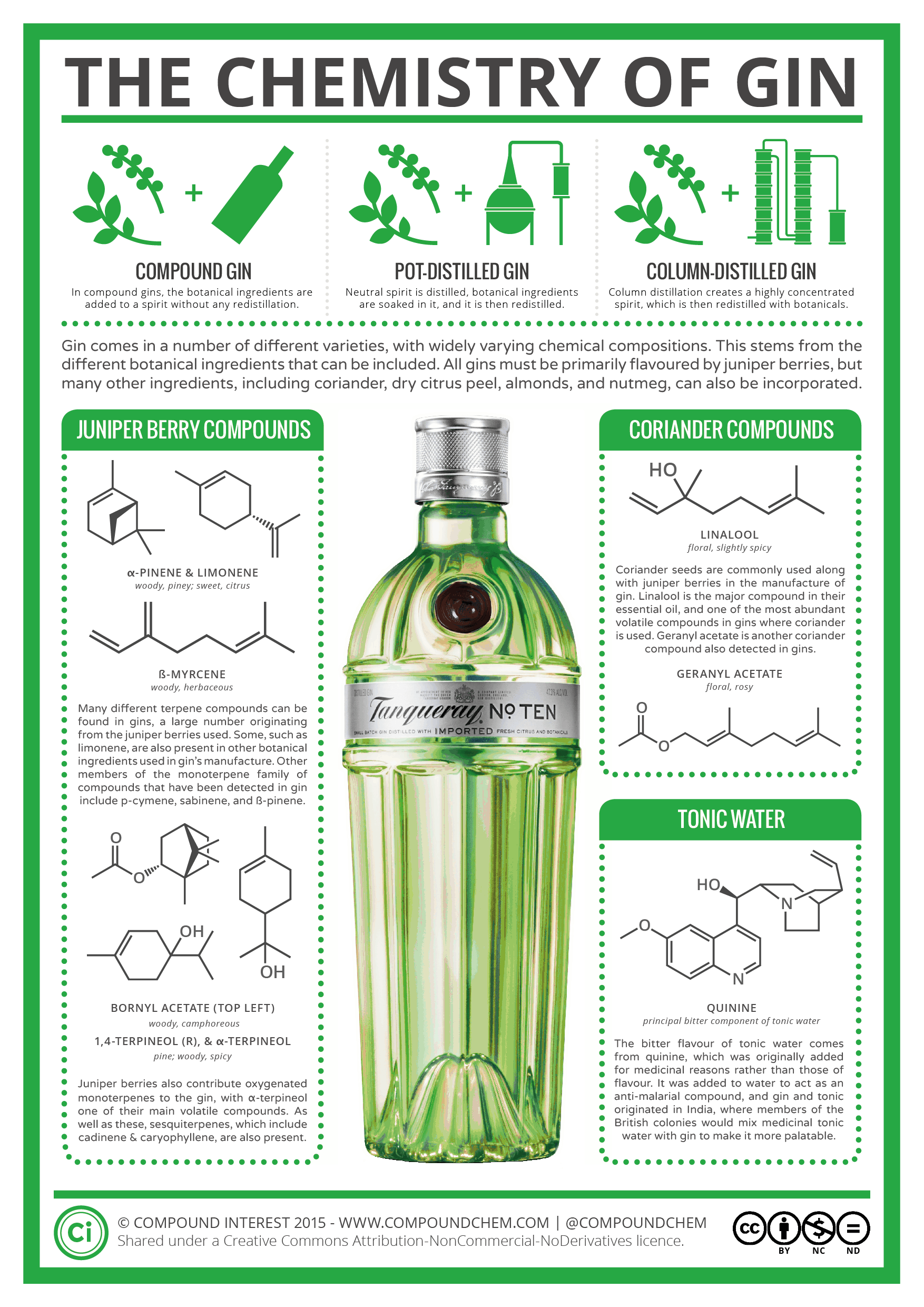
Gin is a neutral spirit flavoured with botanicals. The easy way to think about it is vodka with added flavours. An EU definition states that gin is a juniper-flavoured spirit drink (where juniper must be the predominant taste) and must be a minimum of 37.5% ABV. There are further stipulations given, but these apply to specific types of gin: distilled gin, and London Dry Gin. So, to be a gin in its simplest form the spirit has to be at least 37.5% and it has to taste junipery.
Whilst most commercial gins use distillation to extract the flavour from the botanicals (with or without steeping), it is possible to produce a tasty gin without taking the final distillation step. It’s technically called a compound gin, and it’s therefore more than possible to make your own gin in the comfort of your own home. Hurrah!
One thing to note though, if you don’t re-distill your gin won’t be perfectly clear. But it’ll still taste like gin, which is the important bit! The colour of your gin will depend on the botanicals you use, but is generally going to have an yellow or amber-orange hue. I’ve heard that you can put it through a Brita filter if you want to remove some of the colour. Or you can stick it in the freezer, then filter through muslin cloth which will lighten the colour a little. But as I say, whatever the colour, the stuff will taste like gin, so I’ve never bothered! And if you’re going to go down the Brita filter route, I wouldn’t run it through too many times, as I’m sure it’ll take some of the flavour of the gin, and therefore your hard work, away with it.
What you’ll need
a glass receptacle to infuse your spirit in. A bottle or a large glass kilner jar or similar should do it
a 750ml bottle of base spirit
botanicals
a sieve
a jug
a funnel if you’re messy
Base spirit
Remember I said the easy way to think about gin is vodka with added flavours? You’re going to need some vodka as your base. Don’t go for the cheap nasty stuff, buy a decent vodka. If you wouldn’t drink the vodka as it is, why would you use it as the base for your fantastic home-made gin? It’s not worth your effort.
Botanicals
The best thing about making your own gin, is that you get to choose the botanicals, and the ratios of the botanicals, that are going into your gin. There are hundreds of options available, more than is possible to list. Other than juniper, you can put whatever you want into the spirit, however I’ll start with the more traditional botanicals in detail to give you a good idea of where to start. The descriptions below apply to the botanicals once distilled, however they’ll give you some indication of what to expect if you add them to your compound mix:
First up the ‘holy trinity’, pretty much all gins include:
Other commonly used botanicals include:
Onto quantities. As a guide, for a bottle of spirit I’ve the following ranges:
You can use either dried or fresh citrus peel. Fresh will give brighter citrus notes than dried, but shouldn’t be left to infuse for too long, so you might want to add this nearer to the end of your infusion. Also, if you’re using a bottle for infusing make sure the pieces will easily through the neck once they’ve swelled a little in the bottle. Keep a chopstick handy too for getting them out!
Bear in mind the points I noted earlier about the characteristics of each of the botanicals. You can manipulate the quantities shown if there’s a certain style (bitter, citrus, sweet e.t.c) of gin that you’re looking to create. However the general ratios should remain the same – lots of juniper, then corriander, then anjelica, with little amounts of everything else.
Also be aware of the fact that alcohol is a great extractor of flavour, so don’t add too much of any of your proposed botanicals, even if you really like them, a little goes a long way, especially for the stronger flavours! You can always add a little more as you go – as you’ll be trying your infusion every so often. Making gin is TOUGH right?
The above are just a few of the most commonly used ingredients, other options open to you in terms of botanicals are listed at the end of the post if you’re needing further ginspiration…
Method
Note: if you’ve left it a little too long and the gin is too strongly flavoured, you can always dilute with more vodka, unless you’ve left it for weeks and it’s stewed like tea!
Other botanical ideas:
almond – sweet
anjelica seed – musky and hoppy
cardamom – spicy
cassia bark – bitter and cinnamon
cinnamon – sweet and woody (use sparingly)
ginger root – dry and hot spice (careful it’s powerful!)
grapefruit – clean citrus
nutmeg – warming sweet spice
cubeb berries – spicy peppery pine
rose petals – floral
You can also add things like lavender, chamomile, rose, rosemary, sage, whatever you like, it’s your gin!
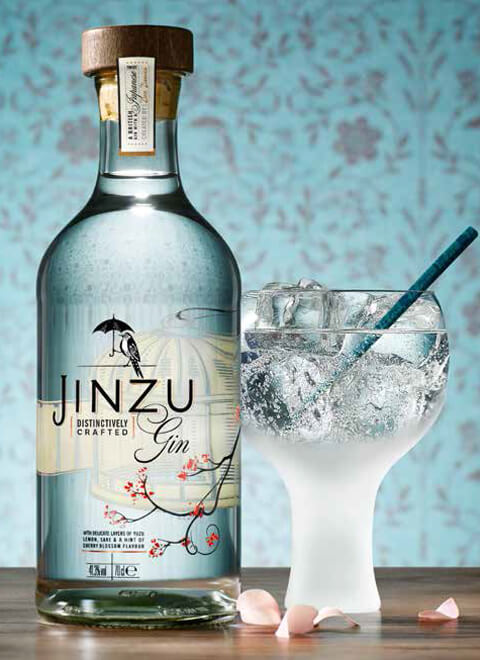
Jinzu Gin is a Scottish made, Japan inspired gin with an English woman at its heart. Designed by bartender Dee Davies for Diageo’s Show Your Spirit competition in 2013 (which it went on to win), the gin is a fantastic example of East meets West, with traditional gin botanicals joining cherry blossom, yuzu and sake to form a distinctive gin with a real sense of place.
Jinzu shares its name with the Japanese river that flows through the prefecture of Toyama, a city that sits on the Sea of Japan coast. The river is a site to behold, joined along its course by a thousand cherry blossom trees. Dee has been passionate about Japan and Japanese culture since visiting the country aged 16, so when the competition with Diageo came up, she leapt at the chance to join her two interests.
Once her idea was selected for the final, Dee was invited to Diageo’s World Innovation Centre, where she worked with Nicola Rowntree to turn the product from concept to liquid. They did this by making a compound gin with a juniper distillate and sake distillate and adding the other flavours as essences. Once they established what worked, they transferred this – through a process of trial and error – to a distilled recipe.
To make the gin, juniper, coriander and angelica are added to a neutral grain spirit in a traditional copper pot still. They are allowed to macerate for a short while before the cherry blossom and yuzu are added. There is no set amount of time for each run, rather the distillers will decide when to cut based on their knowledge of distillates, but it can take anywhere between two to two and a half hours.
The gin comes off the still at around 82%, and the Junmai sake – which is also made onsite – comes off at 60%. The two are blended and then watered down with demineralised Scottish water to bottling strength: 41.3%.

Fleshy citrus jumps to the fore on the nose, with the sake bringing an underlying sweetness. The cherry blossom carries a distinct floral note, but there’s a subtle juniper underpinning it all. Tasted neat, Jinzu Gin is mild, easy to sip and to hold on the tongue. It’s altogether quite unfamiliar as a spirit, though notably still a ginny with a long finish and a strong enough juniper backbone that carries all the way through to the aftertaste. The yuzu brings a fresh, mandarin-like citrus and the sake provides a creamy mouthfeel and a taste which bites right at the end. The cherry blossom, too, holds strong in the mouth – it’s not sweet and not herbal, rather it sits somewhere in-between.
Dee suggests green apple as her perfect garnish in a G&T – both because the acid in the fruit interacts well with the sake and because it makes a polite tip of the hat to her Somerset roots.
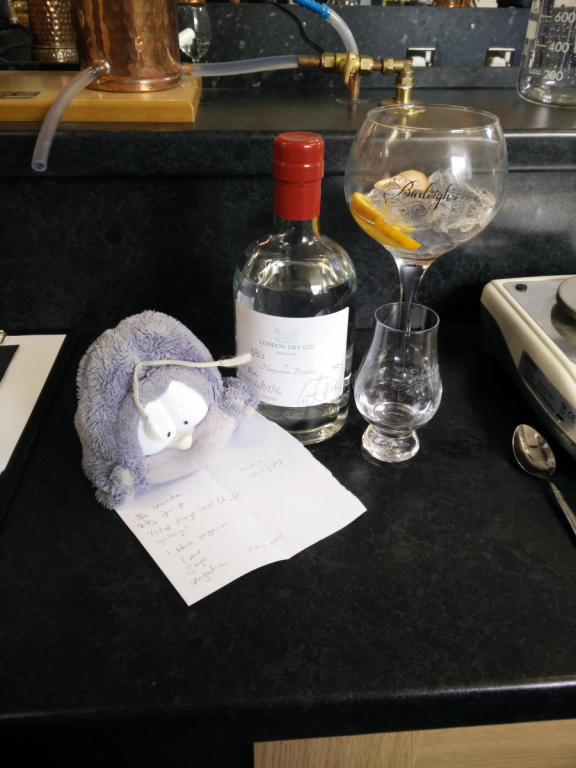
Katy and I went to the 45 West gin school yesterday, and I made my own bottle of gin!!
All pictures here: https://www.flubu.com/blog/pictures/45west_ginschool_jul_2016
My super secret recipe is:
20g juniper
3g coriander seed
angelica root
cassia
1 peppercorn
dried orange peel
fresh sweet orange peel
fresh lime peel
earl grey tea
galangal
ginger

Pack your bags sweetie, we’re going to London in November.
Portobello Road Gin has announced plans to launch a vast distillery complex on the street which it takes its name from, incorporating a pub, G&T bar, visitor centre and hotel. It will mean that the gin is distilled entirely on the iconic London road for the first time since 2011, when — only months after launching — the company was forced to outsource much of its production in order to keep up with demand.
The four-storey development of a former boozer on the corner of Portobello and Talbot roads will see a 400-litre gin still fitted in the basement, a striking contrast to the 30-litre still at the distillery’s original home above the Portobello Star pub. Alongside this there will be a modern visitor centre called The Ginstitute where guests will be able to learn about the history of gin and try their hand at blending their own.
The ground floor will be turned into a pub called The Resting Room where spirits will be served direct from barrels above the bar. It will have the style of a decadent Victorian gin palace and will also offer craft beers and English wines alongside gastropub-style British food. At the top of the building will be a private dining room as well as a small number of hotel rooms, making it London’s first distillery that you can stay in.
Portobello Road Gin founder Ged Feltham said: “It feels a bit crazy, but for some time we have been determined to bring all our gin production in-house and it is amazing that this will enable us to do that without leaving Portobello Road.”
The distillery is due to open in November.
How did I not know that today is world gin day?? Madness. I shall have to put it in my calendar for next year.