
Skip to content
The beaver is a proud and noble animal

The beaver is a proud and noble animal

Notes from a bemused canuck

  • Home
  • About
  • Bookmarks
  • Pictures
  • Resume
  • Wine
  • Random Recipe
  • Toggle search form

Tag: recipes

[recipe] Full English breakfast in a sourdough bowl

Posted on August 26, 2018August 27, 2018 By admin

Pan fry the sausage in olive oil. Slice lengthwise.

Cook the bacon. Once bacon is cooked, pat to remove excess grease.

While the bacon is cooking, prep your veg:
– wash & dice the tomatoes
– wash & slice the mushrooms
– wash the spinach leaves
– prepare the leeks (throw out dark green part, slice light green part, wash thoroughly)

Wilt spinach in the bacon grease. Keep aside.

Add olive oil. Sautée the leeks and mushrooms. Add the tomatoes.

Hollow out the bread-bowls, leaving a hole in the top about the size of a fried egg. Brush the insides with melted butter.

Once everything is cooked, layer the bacon, sausage, and veggies into the bread bowls. Sprinkle grated cheddar cheese. Crack a fresh egg on top. Season with salt and fresh cracked pepper.

Bake in a preheated oven at 350F/175C for 15 minutes (runny yolks) to 20 minutes (set yolks). Whites should be set.

Serve with really sharp knives.
uncategorized

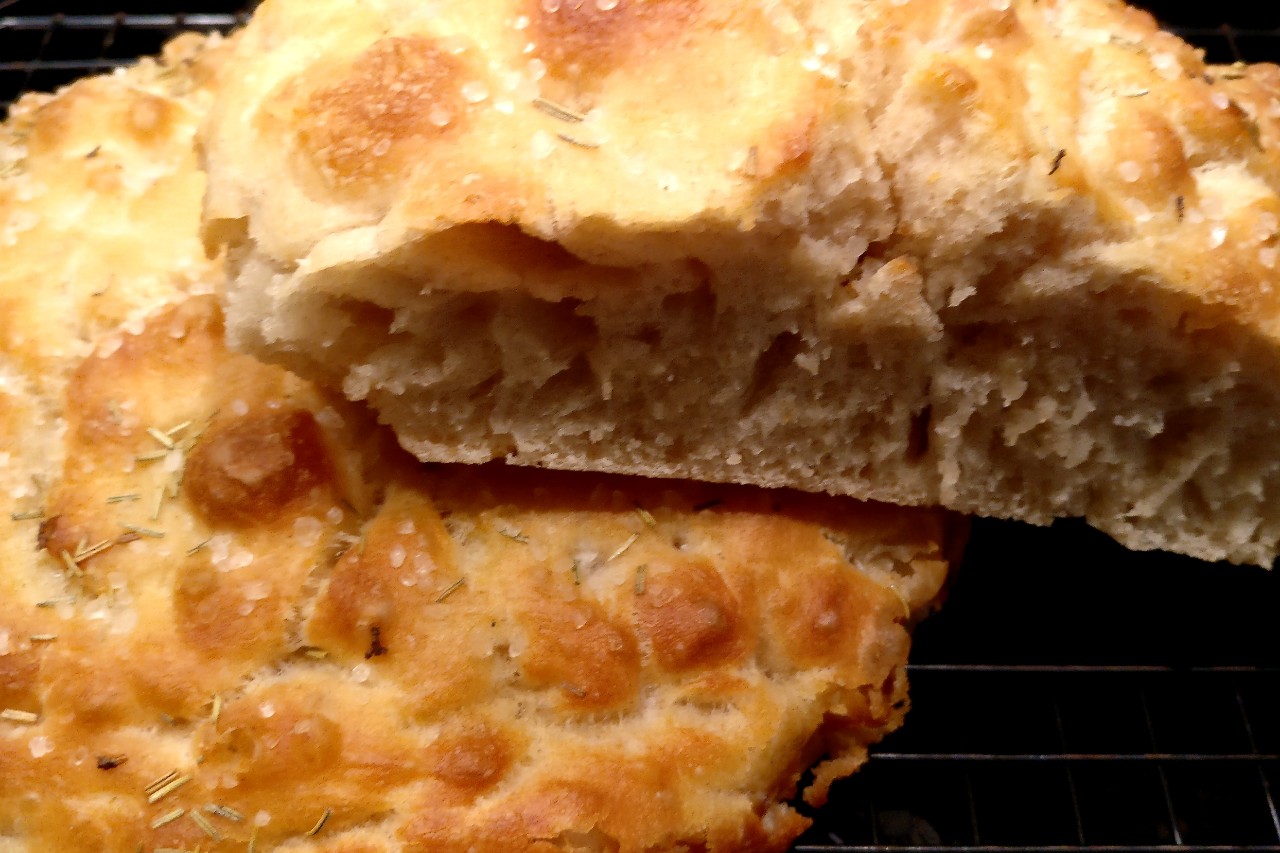
[recipe] Focaccia

Posted on August 26, 2018August 27, 2018 By admin

520 g all-purpose flour
10 g kosher salt
1 packet instant yeast
500 ml warm tap water
5 g butter for greasing pan
60 ml olive oil divided
rosemary for seasoning
flaky sea salt

Prepare the dough:

In a large bowl, combine flour, salt, and yeast. Stir well. Add the warm water. Using a sturdy wooden spoon, mix until all of the flour is incorporated. Cover the bowl with a plastic wrap and refrigerate for at least 8 hours and up to 24 hours.

Lightly butter two 9-inch cake pans. Line pans with parchment paper. Pour one tablespoon of olive oil into the center of each pan. Using oiled hands, divide dough in half with a large spoon or rubber spatula and place one piece of dough in each pan, turning to coat with oil. Tuck edges of dough underneath to form a rough ball. Cover each pan tightly with plastic wrap and allow the dough balls to rest for 2 hours depending. The dough should cover most of the pan.

Bake:

Preheat oven to 215C with a rack positioned in the center of the oven.

Drizzle another tablespoon of oil over each round of dough. With oiled fingers, using both hands, press straight down and create deep dimples that go all the way through the dough (in other words, you’ll actually be making deep holes.) If necessary, gently stretch the dough as you dimple to allow the dough to fill the pan.

Sprinkle tops with rosemary and flaky sea salt.

Transfer the pans to the oven and immediately reduce the temperature to 200C. Bake for 22 to 28 minutes, until the tops are golden and the undersides are crisp. Remove pans from the oven. With a metal spatula remove bread rounds from the pans and transfer to a cooling rack.

Serve warm or allow to cool completely then store in a zippered bag.

uncategorized

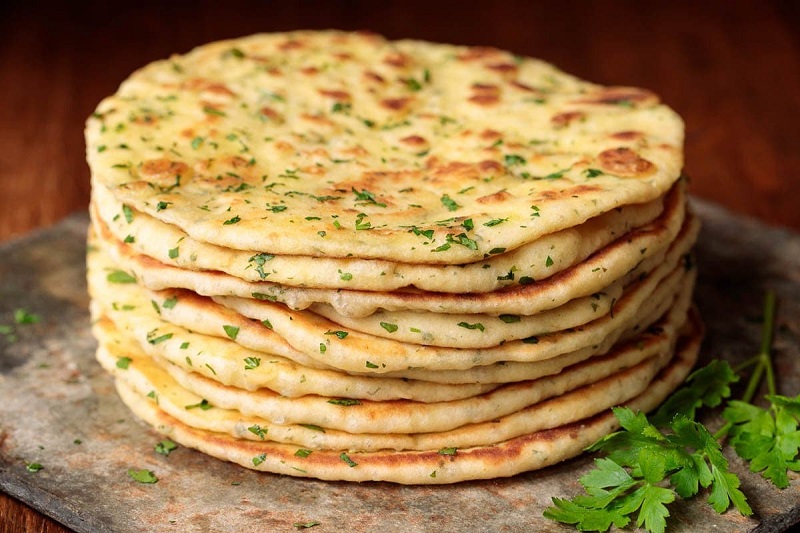
[recipe] Greek yogurt Turkish flatbread

Posted on August 24, 2018August 24, 2018 By admin

1.25cup /310ml warm water (40oC)
10g active dried yeast (1 packet)
1 tbsp / 15g sugar
1 tbsp / 15g kosher salt
3.75cup / 450g all-purpose flour
0.75cup / 180g Greek-style yogurt
30ml extra virgin olive oil
0.25cup / 5g chopped parsley

Combine the yeast, sugar, and water into a medium-large bowl and stir well. Allow to sit in a warm place for 5-10 minutes to activate the yeast. The mixture will be foamy and bubbly when activated. Whisk in the Greek yogurt olive oil and salt.

Add flour and parley and stir with a wooden spoon or sturdy spatula and until the dough comes together. Turn dough out onto a well-floured counter and turn to coat. Knead for 3-4 minutes or until dough is no longer sticky and springs back when lightly pressed. Sprinkle more flour onto the counter if the dough is sticky during kneading.

Divide dough into 10 equal pieces, sprinkle lightly with flour, then cover with a clean kitchen towel. Allow to rest for 15 minutes.

Preheat a medium saucepan to a medium-low heat. While pan is heating, roll one of the dough portions into an approximately 7-inch circle. Brush the top surface lightly with extra virgin olive oil. When the pan is hot, pick up the first circle with your hand and place in pan, oiled side down. Lightly brush the top surface with oil. Allow to the flatbread to cook for about 1 to 1. 5 minutes, until top surface is covered with bubbles and underside is golden around the edges and in spots.

Flip to opposite side and cook for another 60-90 seconds until a few small golden spots appear. Don’t overcook on the second side. Repeat rolling, oiling and cooking with remaining portions of dough.

Sprinkle flatbreads with a bit more chopped parsley when finished, if desired. Stack flatbreads in a clean kitchen towel after cooking to steam a bit and retain softness.

When cool, store in a ziplock bag. Reheat in a pan without oil for a minute or two on each side OR wrap flatbreads in paper toweling and heat in the microwave on low power until warm.

Notes:

You can make these flatbreads thicker or thinner by rolling the dough rounds bigger or smaller.

Since every stove is different, you might have to experiment a little bit with the first flatbread. You want the heat high enough that bubbles appear on the top surface and the underside is getting a few golden spots after about 45 seconds to 1 minute. If you’re not seeing the bubbles, increase the heat. If the underside is getting brown too fast, decrease the heat a bit.

Brush the dough rounds lightly with olive oil. You want to cover the surface but you don’t want greasy flatbread.

The amount of kosher salt sounds like a lot, but it’s divided between 10 large flatbreads. If you use regular iodized salt instead of kosher salt, definitely use less (0.5 tbsp / 7.5g)

uncategorized

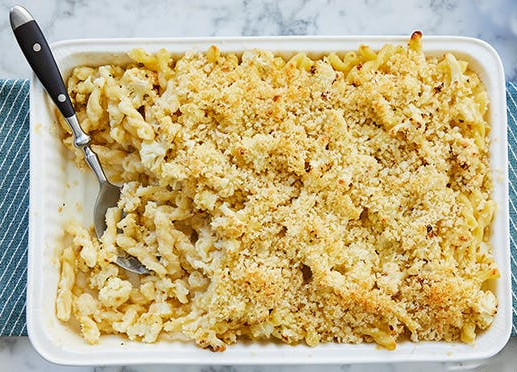
[recipe] Macaroni cheese & cauliflower bake

Posted on August 24, 2018 By admin


300g cauliflower florets
300g dried macaroni (or any other tubular pasta)
600ml milk
200g mature Cheddar cheese, grated
100g mild cheese (havarti, gouda), grated
60g butter, plus a few extra knobs
4 tbsp plain flour
2 tsp mustard powder
Pinch of cayenne pepper
Sea salt, to taste
3 tbsp fresh white breadcrumbs
1 tbsp thyme leaves

Bring a large pan of well-salted water to the boil. Add the cauliflower and cook for 4–5 minutes until tender. Remove with a slotted spoon and chill in a bowl of ice-cold water to prevent it from cooking any further. Drain well.

Tip the macaroni into the boiling salted water and cook according to packet instructions. Drain, refresh under cold, running water and drain again. Mix the macaroni, cauliflower and a few knobs of butter together in a large bowl.

Preheat the oven to 200°C/Gas 6. Heat the 60g butter in a pan, and stir in the flour and mustard powder to make a roux. Gradually add the milk, beating continuously with a balloon whisk until the mixture is smooth. Slowly bring to the boil over a low heat, whisking frequently, until the mixture thickens. Season well with cayenne pepper and sea salt to taste.

Mix the cheeses together and stir half into the white sauce. Mix well until the cheese has melted and the sauce is smooth again. Add the macaroni and cauliflower to the sauce and mix well to coat. Spread the mixture into a large, wide gratin dish.

Combine the remaining cheeses with the breadcrumbs and thyme leaves. Sprinkle over the top of the macaroni and cauliflower mixture. Bake for about 15–20 minutes until the topping is golden and crisp. Serve immediately.

uncategorized

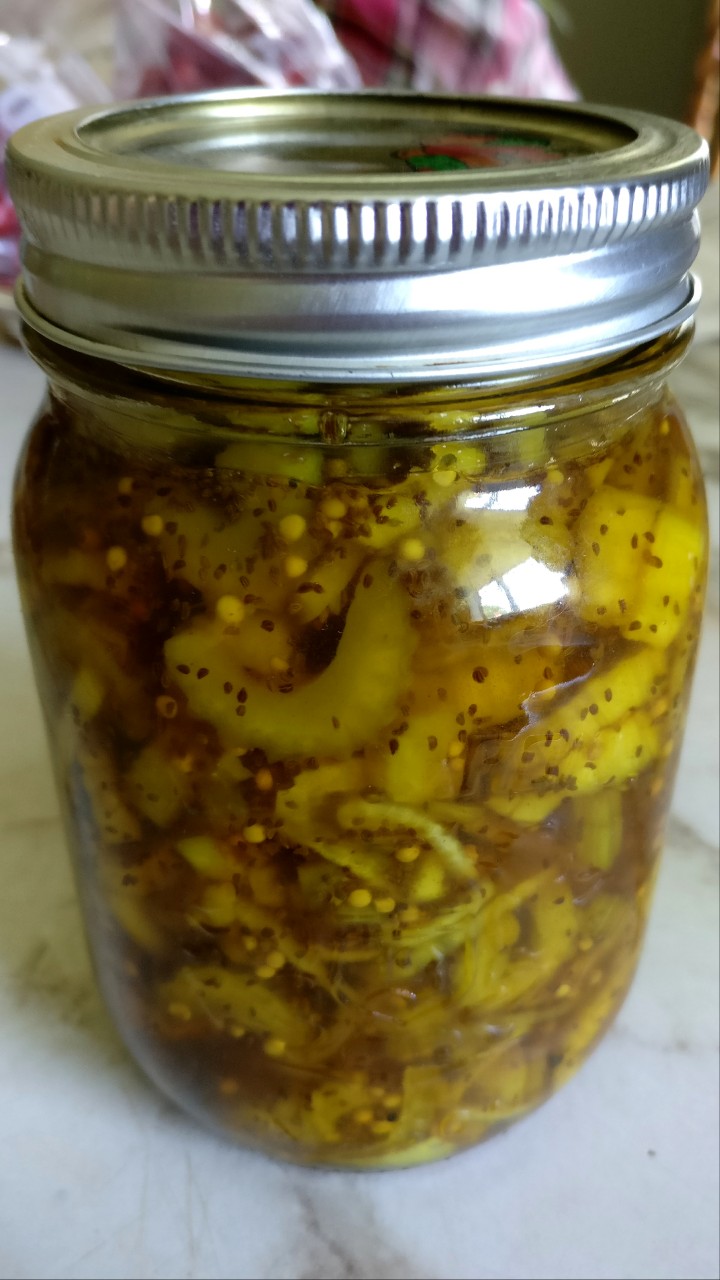
[recipe] pickled celery 

Posted on August 5, 2018August 22, 2018 By admin

1kg celery, sliced
2 white onions, sliced
750ml white vinegar
750ml brown sugar, loosely packed
30ml/6tsp mustard seed
30ml/6tsp celery seed
10ml/2tsp grated ginger
7.5ml/1.5tsp turmeric

Bring vinegar and sugar to the boil. Add spices. Boil again. Steep celery and onions in hot vinegar for 20 minutes. Strain and keep liquid. Put solids in mason jars. Reduce liquid by half, then cover solids with reduction. Store in the fridge.

uncategorized

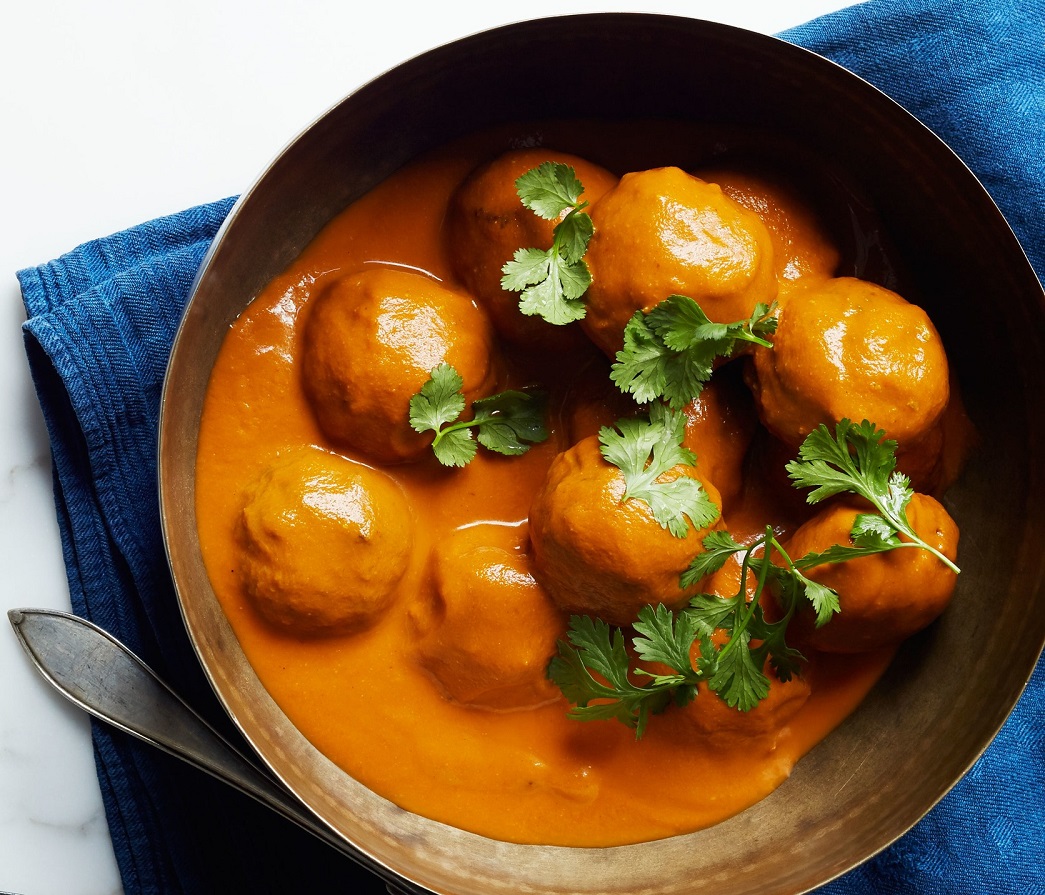
[recipe] Curried meatballs

Posted on July 24, 2018 By admin

INGREDIENTS

Meatballs
Olive oil
1 small white onion
2 jalapenos, seeds removed
1 1-inch piece ginger, peeled, chopped
juice from half a medium lemon
1 tsp garam masala
1 tsp ground coriander
1/2 tsp ground cumin
1/2 tsp cayenne pepper
2 tsp kosher salt
2 pounds ground beef – substitute for lamb or pork, as preferred
1 large egg, beaten to blend
50ml tablespoons plain yogurt

Curry Sauce
Olive oil
4 medium onions, chopped
1 1-inch piece ginger, peeled, chopped
2 tsp ground cumin
1 tsp ground turmeric
3 tsp ground coriander
1 tsp guajillo chili powder
1 tsp black pepper
450g crushed tomatoes
1 tbsp kosher salt
juice from half a medium lemon
Coriander leaves with tender stems (for serving)

PREPARATION

Meatballs
Preheat oven to 400F/200C. Lightly brush a rimmed baking sheet with oil. Purée onion, jalapenos, ginger, lemon juice, garam masala, coriander, cumin and cayenne in a blender until smooth. Transfer mixture to a large bowl and add mince, egg, yogurt, and salt. Mix with your hands until mixture is homogenous and starts to become very sticky like sausage meat, about 1 minute. Roll meatball mixture into golf ball–size portions and place on baking sheet, spacing 1″ apart (you should have about 24). Drizzle meatballs with more oil and bake until browned on top and cooked through, 20–25 minutes.

Curry Sauce
Meanwhile, heat oil in a large heavy pot over medium heat. Add onions and ginger. Cook, stirring often, until onions are translucent and starting to brown, 8–10 minutes. Stir in dried spices (but not the salt). Cook, stirring often, until mixture is very fragrant and spices begin to stick to the pot, about 2 minutes. Add tomatoes, stirring and scraping bottom of pot, and bring to a boil. Add salt and 2 cups water; return to a boil. Reduce heat and simmer until flavors have melded, 25–30 minutes. Let curry sauce cool slightly, then blend until very smooth using a hand blender. Stir in lemon juice. Taste sauce and season with more salt if needed.

Gently nestle cooked meatballs into sauce, bring to a simmer, and cook until meatballs are heated all the way through, 10–15 minutes. Serve topped with chopped coriander.

uncategorized

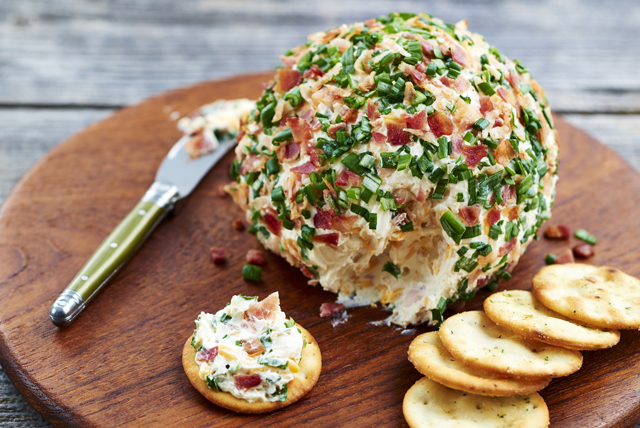
[recipe] Jalapeno Bacon Cheddar Cheese Ball

Posted on July 24, 2018 By admin

1 package (225g) cream cheese, softened
125ml sour cream
250g shredded Swiss cheese
250g shredded sharp cheddar cheese
250g crumbled cooked bacon (about 12 strips), divided
100g caramelized red onion chutney
100g pickled jalapenos, finely chopped
1/4 tsp salt
1/4 tsp pepper
10g chopped chives, to garnish
1 tbsp poppy seeds, to garnish
Assorted crackers

Directions
In a large bowl, beat cream cheese and sour cream until smooth. Stir in shredded cheeses, half the bacon, onion chutney, jalapenos, salt and pepper. Refrigerate, covered, at least 1 hour.
In a small bowl, mix chives, poppy seeds and remaining bacon. Spread half of garnish mixture on a large piece of plastic. Shape half of the cheese mixture into a ball; roll in parsley mixture to coat evenly. Wrap in plastic. Repeat. Refrigerate at least 1 hour. Serve with crackers.

uncategorized

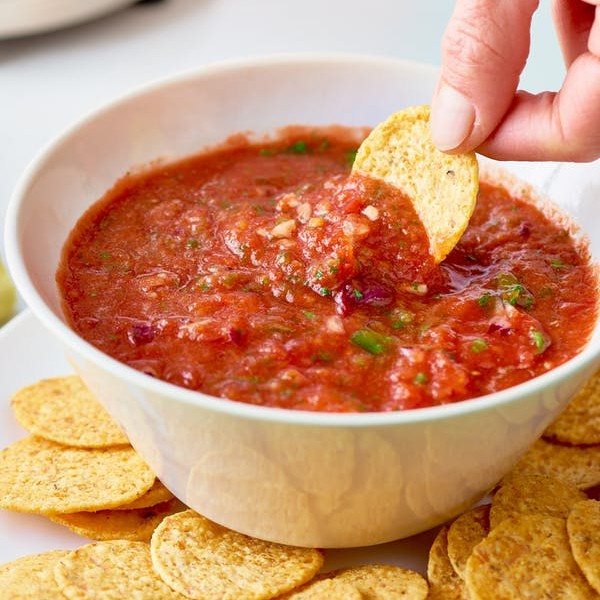
[recipe] easiest, quickest salsa, evar!

Posted on June 16, 2018 By admin

It’s not fancy or by any means gourmet, but it goes great with salty chips and cold beer. Ripe summer tomatoes make a fresh pico de gallo that is out of this world, but for the rest of the year, you want canned tomatoes.

Love a chunky salsa? Prefer it puréed to oblivion? No problem. You can make a chunky salsa by pulsing the blender a few times, or leave it running until the salsa is as smooth as you like it. For a thicker texture, you can also drain the tomatoes before blending.

This salsa is best if you can let it chill for at least 30 minutes before serving, and it’s even better the next day; this gives the flavors in the salsa time to mingle and mellow. The fresh-made salsa is good, but the salsa you serve a little while later will be even better.

1 large can whole peeled tomatoes with their juices
1 bunch fresh coriander, loosely packed
1 small red onion, coarsely chopped
2 medium jalapeños, seeds and membranes removed, coarsely chopped
2 tbsp freshly squeezed lime juice (from 1 lime)
kosher salt and pepper, to the taste

Place all the ingredients in a blender or food processor.

Pulse in 1-second pulses until the salsa is as chunky or smooth as you like it.

Taste and stir in more lime juice or salt with a spatula as needed.

Refrigerate for at least 30 minutes, or up to a week.

Store and refrigerate in an airtight container for up to 1 week.

uncategorized

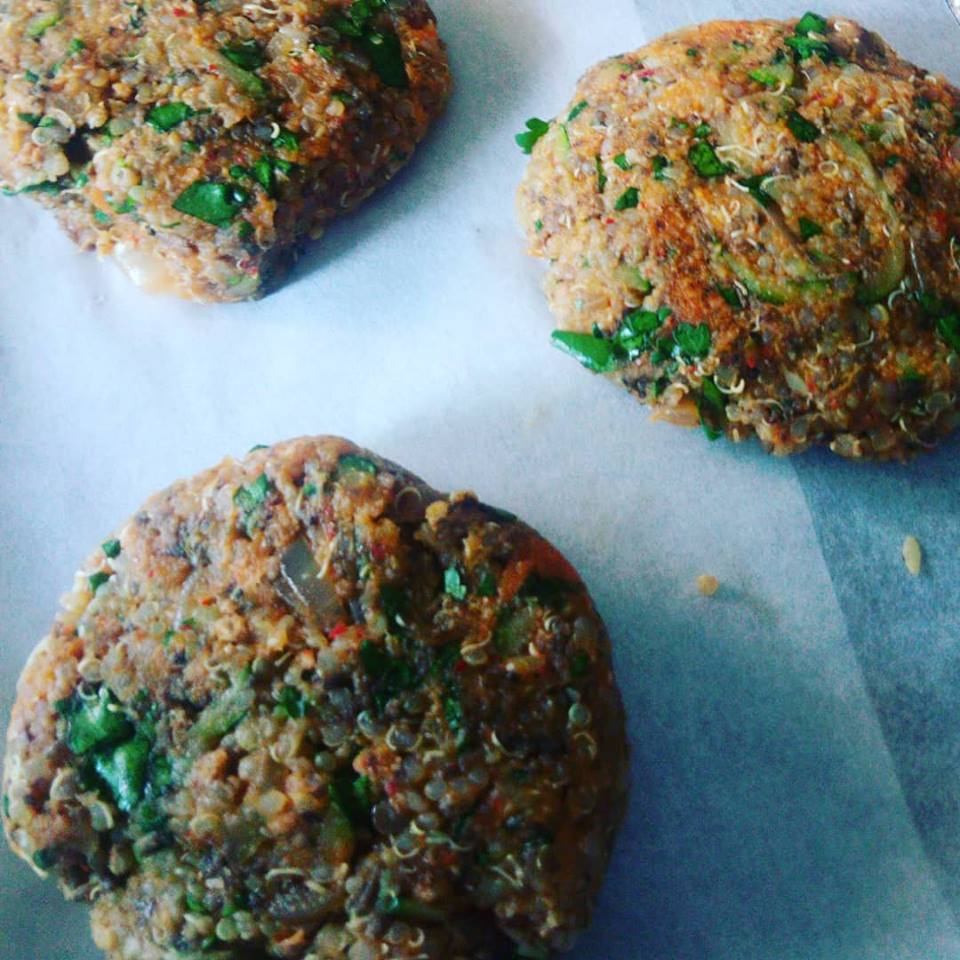
[recipe] Quinoa veggie burgers

Posted on May 13, 2018 By admin

1 small sweet potato
6-8 white mushroom
1/2 small zucchini
1 small shallot, finely chopped
1/4 teaspoon crushed red pepper flakes
1 cup cooked quinoa (from about 1/2 uncooked)
3/4 cup dried breadcrumbs
1.5 teaspoons fresh lemon juice, fresh lemon zest
leaves from small bunch of fresh coriander, finely chopped
olive oil
salt & pepper, to taste
4 English muffins, split, toasted

Guacamole, tomato chutney, and sprouts (for serving; optional)

To cook quinoa:
– rinse 1 cup of dry quinoa in metal mesh sieve under running water
– add quinoa to 2 cups of water. Bring to boil. Reduce heat, cover and simmer for 20 minutes.
– let stand 5 minutes, then fluff with a fork.

Preheat oven to 200C. Prick sweet potato all over with a fork; rub with oil, then season with salt and pepper. Roast directly on oven rack until tender, 30–45 minutes. Let cool. Remove and discard skin; mash flesh with a fork. Set aside.

Pulse mushrooms in a food processor until finely chopped. Coarsely grate zucchini on the large holes of a box grater; gather up in a kitchen towel and squeeze out excess liquid.

Heat oil in a medium skillet over low. Cook shallot and red pepper flakes, stirring often, until shallot is soft, about 2 minutes. Add mushrooms and zucchini and cook, stirring occasionally, until vegetables begin to release their liquid but have not taken on any color, about 2 minutes. Transfer to a large bowl; mix in quinoa and season with salt and pepper. Let cool.

Add breadcrumbs, lemon juice and zest, coriander, and about half of the reserved mashed sweet potato to the quinoa mixture and mix well. Taste and adjust seasoning with salt and pepper if needed. If mixture is too loose, add more sweet potato to bind.

Divide mixture into 4 portions and form into patties, pressing firmly together with your hands. Heat 2 Tbsp. oil in a medium skillet over medium and cook 2 patties until golden brown, about 2 minutes per side; season with salt and pepper. Repeat with remaining 2 Tbsp. oil and 2 patties.

Build burgers with patties, toasted English muffins, guacamole, tomato chutney, and sprouts.

uncategorized

[recipe] A quick guide to all the herbs and spices

Posted on May 2, 2018May 1, 2018 By admin

Dried Herbs & Spices

Asafoetida (Asafetida) – Asafoetida has a strong odor that mellows out into a garlic-onion flavor.
Allspice – Similar to cloves, but more pungent and deeply flavored. Best used in spice mixes.
Bay Leaf – Adds a woodsy background note to soups and sauces.
Caraway Seed – These anise-tasting seeds are essential for soda bread, sauerkraut, and potato salad.
Cardamom – This warm, aromatic spice is widely used in Indian cuisine. It’s also great in baked goods when used in combination with spices like clove and cinnamon.
Cayenne Pepper – Made from dried and ground red chili peppers. Adds a sweet heat to soups, braises, and spice mixes.
Celery seed – Use celery seed in dishes that benefit from its warm, bitter, celery-like flavor, such as soup stocks, boiling liquid for shellfish, mayonnaise dressings, or meatloaf. Celery seeds should be used whole because of their small size, but also because ground seeds taste far bitterer than whole.
Cinnamon (also: Vietnamese Cassia Cinnamon) – Found in almost every world cuisine, cinnamon serves double duty as spice in both sweet and savory dishes.
Cloves – Sweet and warming spice. Used most often in baking, but also good with braised meat.
Coriander Seed – Earthy, lemony flavor. Used in a lot of Mexican and Indian dishes.
Cumin – Smoky and earthy. Used in a lot of Southwestern U.S. and Mexican cuisine, as well as North African, Middle Eastern, and Indian.
Fennel Seed – Lightly sweet and licorice flavored. It’s excellent with meat dishes, or even chewed on its own as a breath freshener and digestion aid.
Fenugreek – Although this herb smells like maple syrup while cooking, it has a rather bitter, burnt sugar flavor. Found in a lot of Indian and Middle Eastern dishes.
Garlic Powder – Garlic powder is made from dehydrated garlic cloves and can be used to give dishes a sweeter, softer garlic flavor.
Ginger – Ground ginger is made from dehydrated fresh ginger and has a spicy, zesty bite.
Gochugaru – This Korean red pepper spice is hot, sweet, and ever-so-slightly smoky.
Grains of Paradise – These taste like a cross between cardamom, citrus, and black pepper. They add a warming note to many North African dishes.
Kaffir Lime Leaves – Used to flavor curries and many Thai dishes. Can be sold fresh, dry, or frozen.
Loomi – Also called black lime, this is ground from dried limes. Adds a sour kick to many Middle Eastern dishes.
Mace – From the same plant as nutmeg, but tastes more subtle and delicate. Great in savory dishes, especially stews and homemade sausages.
Nutmeg – Sweet and pungent. Great in baked goods, but also adds a warm note to savory dishes.
Oregano – Robust, somewhat lemony flavor. Used in a lot of Mexican and Mediterranean dishes.
Paprika – Adds a sweet note and a red color. Used in stews and spice blends. There is also a spicy version labeled hot paprika.
Peppercorns – Peppercorns come in a variety of colors (black, white, pink, and green being the most popular). These are pungent and pack a mild heat.
Rosemary – Strong and piney. Great with eggs, beans, and potatoes, as well as grilled meats.
Saffron – Saffron has a subtle but distinct floral flavor and aroma, and it also gives foods a bright yellow color.
Sage – Pine-like flavor, with more lemony and eucalyptus notes than rosemary. Found in a lot of northern Italian cooking.
Smoked Paprika – Adds sweet smokiness to dishes, as well as a red color.
Star Anise – Whole star anise can be used to add a sweet licorice flavor to sauces and soups.
Sumac – Zingy and lemony, sumac is a Middle Eastern spice that’s great in marinades and spice rubs.
Turmeric – Sometimes used more for its yellow color than its flavor, turmeric has a mild woodsy flavor. Can be used in place of saffron in a pinch or for those of us on a budget.
Thyme – Adds a pungent, woodsy flavor. Great as an all-purpose seasoning.

Fresh Herbs

Basil (also: Thai Basil) – Highly aromatic with a robust licorice flavor. Excellent in pestos, as a finishing touch on pasta dishes, or stuffed into sandwiches.
Chervil – Delicate anise flavor. Great raw in salads or as a finishing garnish.
Chives – Delicate onion flavor, great as a garnish.
Cilantro – From the coriander plant, cilantro leaves and stems have a pungent, herbaceous flavor. Used in Caribbean, Latin American, and Asian cooking.
Curry Leaves – These pungent leaves are not related to curry powder but impart a similar flavor. Used in Indian, Malaysian, Sri Lankan, Singaporean, and Pakistani cuisine. Used to flavor curries, soups, stews, and chutneys.
Dill – Light and feathery herb with a pungent herb flavor. Use it for pickling, with fish, and over potatoes.
Fenugreek – Although this herb smells like maple syrup while cooking, it has a rather bitter, burnt sugar flavor. Found in a lot of Indian and Middle Eastern dishes.
Lemon Thyme (also: Thyme) – Sweet lemon aroma and a fresh lemony-herbal flavor. This is excellent with poultry and in vinaigrettes.
Lovage – Tastes like a cross between celery and parsley. Great with seafood or to flavor stocks and soups.
Marjoram – Floral and woodsy. Try it in sauces, vinaigrettes, and marinades.
Mint – Surprisingly versatile for such an intensely flavored herb. Try it paired with lamb, peas, potatoes, and of course, with chocolate!
Oregano – Robust, somewhat lemony flavor. Used in a lot of Mexican and Mediterranean dishes.
Parsley – Available in flat-leaf (Italian) or curly varieties, this very popular herb is light and grassy in flavor.
Rosemary – Strong and piney. Great with eggs, beans, and potatoes, as well as grilled meats.
Sage – Pine-like flavor, with more lemony and eucalyptus notes than rosemary. Found in a lot of northern Italian cooking.
Summer Savory – Peppery green flavor similar to thyme. Mostly used in roasted meat dishes and stuffing, but also goes well with beans.
Shiso – A member of the mint family, this herb is used extensively in Japanese, Korean, and Southeast Asian cooking as a wrap for steaming fish and vegetables, in soups, and as a general seasoning.
Tarragon – Strong anise flavor. Can be eaten raw in salads or used to flavor tomato dishes, chicken, seafood, or eggs.
Thai Basil (also: Basil) – A spicy, edgier cousin to sweet Italian basil. A must-have for Thai stir-fries, Vietnamese pho, spring rolls, and other South Asian dishes.
Thyme (also: Lemon Thyme) – Adds a pungent, woodsy flavor. Great as an all-purpose seasoning.

Spice Blends, Rubs & Mixes

Baharat – Black pepper, cumin, cinnamon, and cloves. Used to flavor soups, tomato sauces, lentils, rice pilafs, and couscous, and can be a rub for meats. (Middle Eastern)
Bebere – Hot peppers, black pepper, fenugreek, ginger, cardamom, coriander, cinnamon, and cloves. Other ingredients may include ajwain, cumin, allspice, nutmeg, paprika, onion, or garlic. Used to flavor slow-cooked stews. (African)
Bouquet Garni – Thyme, parsley, and bay leaf. Used to flavor broths and soups. (Classic French)
Chili Powder – Ground chilis, cumin, oregano, cayenne, and lots of optional extras to make this seasoning uniquely yours. Use for chili, stew, beans, grilled meat, and tacos. (Mexican/Southwestern U.S.)
Chinese Five-Spice Powder – Star anise, Szechuan peppercorns, fennel, cassia, and clove. Adds sweetness and depth to savory dishes, especially beef, duck, and pork. (Chinese)
Curry Powder – Typically includes turmeric, coriander, cumin, fenugreek, and red pepper, but mixes can vary. Used primarily to quickly flavor curry sauces. (Indian)
Dukkah – Includes nuts (most often hazelnuts), sesame seeds, coriander, and cumin. Great spice rub for lamb, chicken, and fish. (Egyptian)
Garam Masala – Typically includes cinnamon, cardamom, cloves, cumin, coriander, nutmeg, and pepper. Sweeter than curry powder. Also used to season curry sauces. (Indian)
Herbes de Provence – Usually savory; contains rosemary, marjoram, thyme, and sometimes lavender. Use as a marinade or dry rub for roast chicken, fish, and vegetables. (French)
Old Bay – Celery salt, mustard, red and black pepper, bay leaves, cloves, allspice, ginger, mace, cardamom, cinnamon, and paprika. Created in the Chesapeake Bay area of Maryland, it is traditionally used for shrimp and crab.
Pickling Spice – Most often includes bay leaf, yellow mustard seeds, black peppercorns, allspice, and coriander. Used for pickling vegetables in vinegar.
Pumpkin Pie Spice Mix – Cinnamon, nutmeg, ginger, and cloves. Used for seasoning pumpkin pie, but also great in other spiced baked goods.
Ras al Hanout – Cardamom, clove, cinnamon, paprika, coriander, cumin, mace, nutmeg, peppercorn, and turmeric. Use as a spice rub on meat or as a simple condiment. (North African/Moroccan)
Shichimi Togarashi – Although the ingredients vary, they typically include sansho or Sichuan pepper, dried citrus peel, sesame seeds, poppy seeds, hemp seeds, ginger, garlic, shiso, and nori. Used on noodles and grilled meats. (Japanese)
Za’atar – Thyme, sumac, and sesame seeds. All-purpose seasoning for many Middle Eastern dishes, like grilled meats, grilled vegetables, flatbread, and hummus. (Middle Eastern)

uncategorized

Posts pagination

Previous 1 … 19 20 21 … 49 Next

Power to the beaver!

Show me the beaver!
June 2026
M T W T F S S
1234567
891011121314
15161718192021
22232425262728
2930  
« May    

Quote of the day

One of the universal rules of happiness is: always be wary of any helpful item that weighs less than its operating manual.
--(Terry Pratchett, Jingo)

Random Posts

  • it soo wasn't me!!!
  • I call this one “cat melting into sofa”
  • Finally got around to doing that
  • The tao of Opus
  • Google: this app is not available in your country
reading leopard

Tags

bobble the little blue owl boobies brought to you by the fda cats chonk christmas comics computers are evil covid-19 dealing with idiots dilbert dog ducks galleries geek god bless the land of the free holidays house I am Canadian land of cheese and chocolate linked news lolcat london news from the stupid not my dog nsfw pets pictures potd2014 qotd random shit re-member recipes relationship shrill slice of life stress Tao the british way The Peanut things i miss travel video wine work

Archives

Meta

  • Log in
  • Entries feed
  • Comments feed
  • WordPress.org

Copyright © 2026 The beaver is a proud and noble animal.

Powered by PressBook Premium theme

Loading Comments...