
This morning, Bean woke up at 7:40 (yay #1) and went to the bathroom on his own. When he saw me, he told me to go back to bed (yay #2) cause he was going for a wee then he was going back to bed, allright? (yay #3). He only stayed in there for 5 minutes, but still, overall, woohoo!!!!
Category: uncategorized
If….
If I end up working at CERN, I’m making this into a t-shirt:

Thanks to evil bastard frenchman for pointing out that truly horrible pun.
Jesus walked with dinosaurs…
The debate between creationists and proponents of evolution isn’t ending any time soon, but now some creationists have a secret weapon, “Nessie!” Certain fundamentalist schools in Louisiana plan to teach children that the Loch Ness monster is real in a bid to disprove Darwin’s theory of evolution.
It sounds like a plot dreamed up by the creators of Southpark, but it’s all true: schoolchildren in Louisiana are to be taught that the Loch Ness monster is real in a bid by religious educators to disprove Darwin’s theory of evolution. Thousands of children in the southern state will receive publicly-funded vouchers for the next school year to attend private schools where Scotland’s most famous mythological beast will be taught as a real living creature.
These private schools follow a fundamentalist curriculum including the Accelerated Christian Education (ACE) programme to teach controversial religious beliefs aimed at disproving evolution and proving creationism. One tenet has it that if it can be proved that dinosaurs walked the earth at the same time as man then Darwinism is fatally flawed.
The textbooks in the series are alleged to teach young earth creationism; are hostile towards other religions and other sectors of Christianity, including Roman Catholicism; and present a biased version of history that is often factually incorrect. One ACE textbook – Biology 1099, Accelerated Christian Education Inc – reads: “Are dinosaurs alive today? Scientists are becoming more convinced of their existence. Have you heard of the ‘Loch Ness Monster’ in Scotland? ‘Nessie’ for short has been recorded on sonar from a small submarine, described by eyewitnesses, and photographed by others. Nessie appears to be a plesiosaur.”
Another claim taught is that a Japanese whaling boat once caught a dinosaur. It’s unclear if the movie Godzilla was the inspiration for this lesson.
Private religious schools, including the Eternity Christian Academy in Westlake, Louisiana, which follows the ACE curriculum, have already been cleared to receive the state voucher money transferred from public school funding, thanks to a bill pushed through by state Governor Bobby Jindal.
Boston-based researcher and writer Bruce Wilson, who specialises in the American political religious right, compares the curriculum to Islamic fundamentalist teaching. “They are being brought up to believe that they’re at war with secular society. The only valid government would be a Christian fundamentalist government. Obviously some comparisons could be made to Islamic Fundamentalists in schools. One of these texts from Bob Jones University Press claims that dinosaurs were fire-breathing dragons. It has little to do with science as we currently understand. It’s more like medieval scholasticism.”
Of course, the Scottish tourist industry might well reap a dividend from the craziness of the American education system. Nessie expert Tony Drummond, who leads tours as part of Cruise Loch Ness, has a few words of advice to the US schools in question: come to the loch and try to find the monster.
Textbooks of some state-funded Christian schools praise the Ku Klux Klan. The violent, racist organisation, which still exists in the US, advocates white supremacy, white nationalism and anti-immigration. One excerpt from Bob Jones University Press American history textbook has been reported as saying: “the [Ku Klux] Klan in some areas of the country tried to be a means of reform, fighting the decline in morality and using the symbol of the cross … In some communities it achieved a certain respectability as it worked with politicians.”
It isn’t just America where the bizarre Christian Nessie myth is being taught as a reality. The UK has similar religious schools but they do not receive cash from the state. Nevertheless, the Evangelical Christian curriculum they follow has been approved by UK Government agency, the National Recognition Information Centre (Naric) which guides universities and employers on the validity of different qualifications. Naric judged the International Certificate of Christian Education (ICCE) as officially comparable to qualifications offered by the Cambridge International exam board. It is estimated around 2000 pupils study at more than 50 private Christian schools in Britain for the certificates as well as several home-educated students.
Huh… I didn’t know that last part. Just goes to show that crazy is a universal concept.
Source: The Scotland Herald
Why my child will be your child’s boss
From CNN (of all places)
Saws. The kind you buy at the hardware store to cut wood. That’s what the play-group teacher dumped on the ground for 3- and 4-year-old kids to play with. Knowing that doing this, in the U.S., would result in the teacher being, at minimum, fired and most likely charged with child endangerment, I had visions of emergency room trips and severed limbs dancing through my mind.
But this happened not in the U.S. but in Switzerland, where they believe children are capable of handling saws at age 3 and where kindergarten teachers counsel parents to let their 4- and 5-year-olds walk to school alone. “Children have pride when they can walk by themselves,” the head of the Münchenstein, Switzerland, Kindergartens said last week at a parents meeting, reminding those in attendance that after the first few weeks of school children should be walking with friends, not mom.
So looking down at the saws, I tried to hide my American-bred fear and casually asked the teacher about her procedures in case of emergencies. She rattled them off to me in perfect English (that’s another thing the Swiss believe — that anyone is capable of learning multiple languages), but added, “I’ve been a forest play-group teacher for 10 years, and I’ve never had to call a parent because of injury.”
What’s a “forest” teacher? (No, that ‘s not a typo or pre-school name.) That alludes to a tradition here that we signed our 3-year-old up for. Every Friday, whether rain, shine, snow, or heat, he goes into the forest for four hours with 10 other children. In addition to playing with saws and files, they roast their own hot dogs over an open fire. If a child drops a hot dog, the teacher picks it up, brushes the dirt off, and hands it back.
The school year ends next week, and so far the only injury has been one two millimeter long cut received from a pocket knife. The teacher slapped a cartoon band-aid on it and all was well. No injury form to fill out. No trip to the doctor for an extra tetanus booster. No panic. In fact, she didn’t even think it necessary to mention the incident to me. Which it wasn’t.
Does this mean that Swiss children are capable of handling saws and crossing roads at the same age that American parents are still cutting their children’s food and getting arrested for letting them go to the park?
Lenore Skenazy’s Free Range Kids tracks the stories of how we’re failing to prepare our children for leadership. Many parents in U.S. seem to be convinced that children are incapable of making any of their own decisions or even functioning by themselves at the playground. While a high school principal recently threatened to suspend a group of seniors for the dangerous act of riding their bikes to school, and a group of parents protested that their misbehaving 17-18 year-olds were sent home alone on a train, I looked around me and saw 4-year-olds walking to school by themselves and teenagers also traveling alone across Europe, handling transactions with different currency and in different languages.
The leadership at many American companies were raised in a similar way to the Swiss children in my neighborhood. Boys had pocket knives. Everyone rode bikes to school. Kids started babysitting other children at 11- or 12-years-old. Now? We coddle and protect and argue with teachers when our little darlings receive anything worse than an A on a paper. The result? Well, the preliminary results from this method of parenting are hitting the workforce now. They are poor communicators who insist on using text-speak. Their mothers are calling employers. They believe they should be given rewards and promotions for the act of showing up to work on time.
If this trend in the U.S. continues, American children will become more crippled in their ability to make their own decisions (mom is always around), manage risk (at what age do you become magically able to use a saw?) or overcome a setback (you learn nothing when mom and dad sue the school district to get your grade changed). By contrast, my son learns about risk management every week. He’ll be in a school system that has no qualms about holding a child back if he doesn’t understand the material. And “helicopter” parenting? Not tolerated by the schools or the other mothers at the playground.
So, while he’s 4 and generally covered in dirt, I suspect he’ll be more prepared for leadership when we move back to the U.S. than will children who have no freedom and responsibility and face no consequences.
That is, if he doesn’t cut off his own hand with the saw.
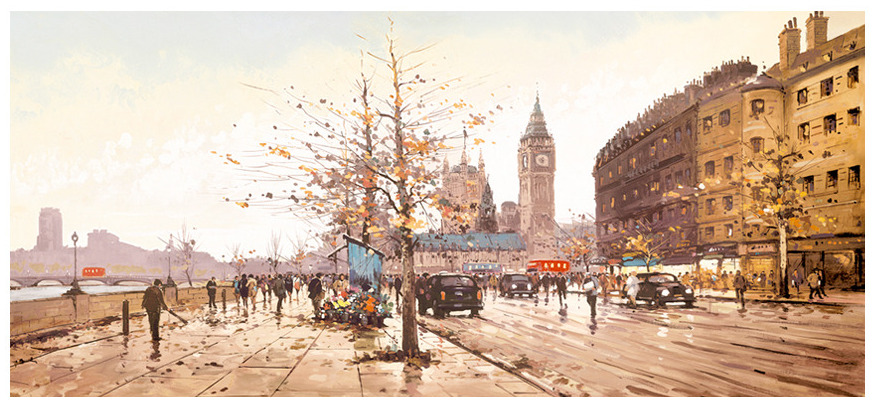
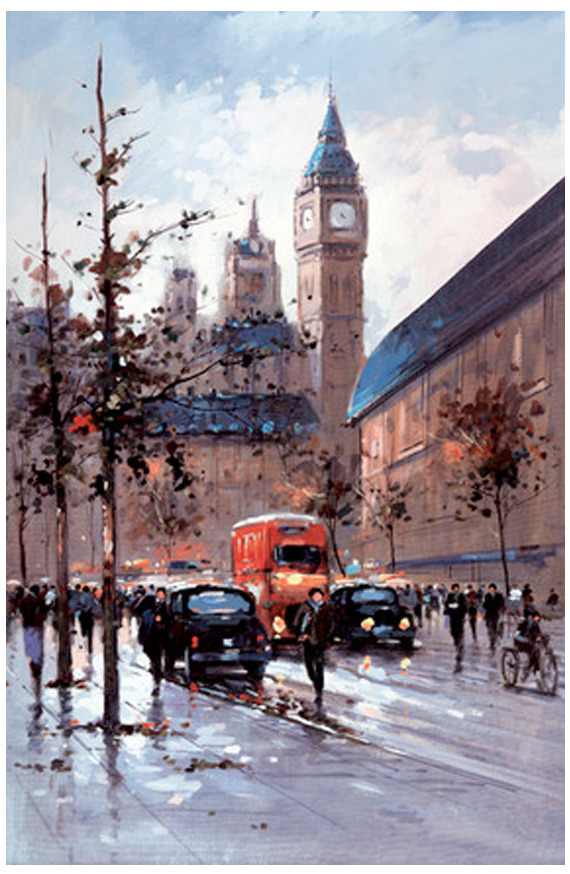
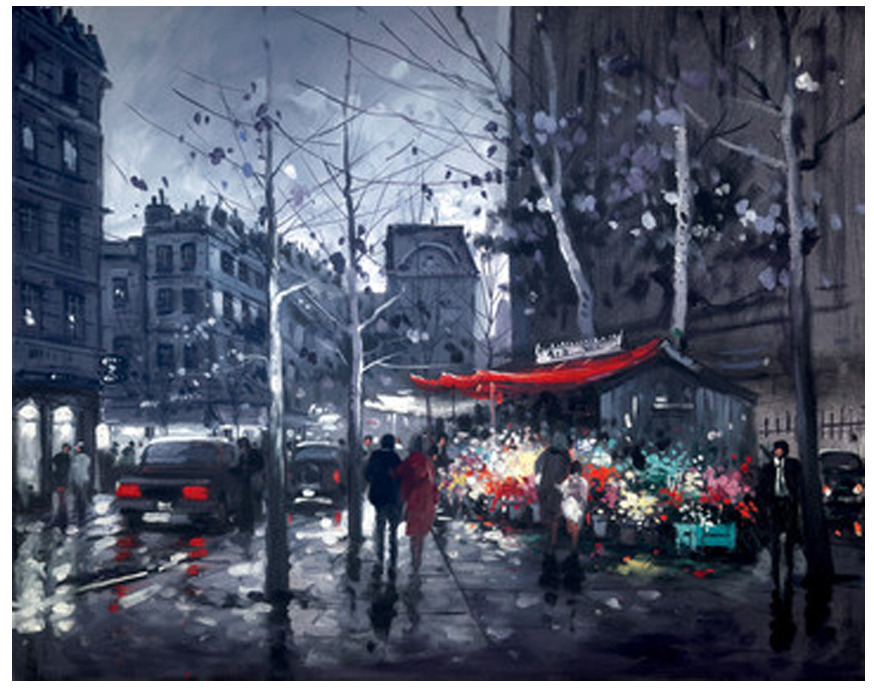
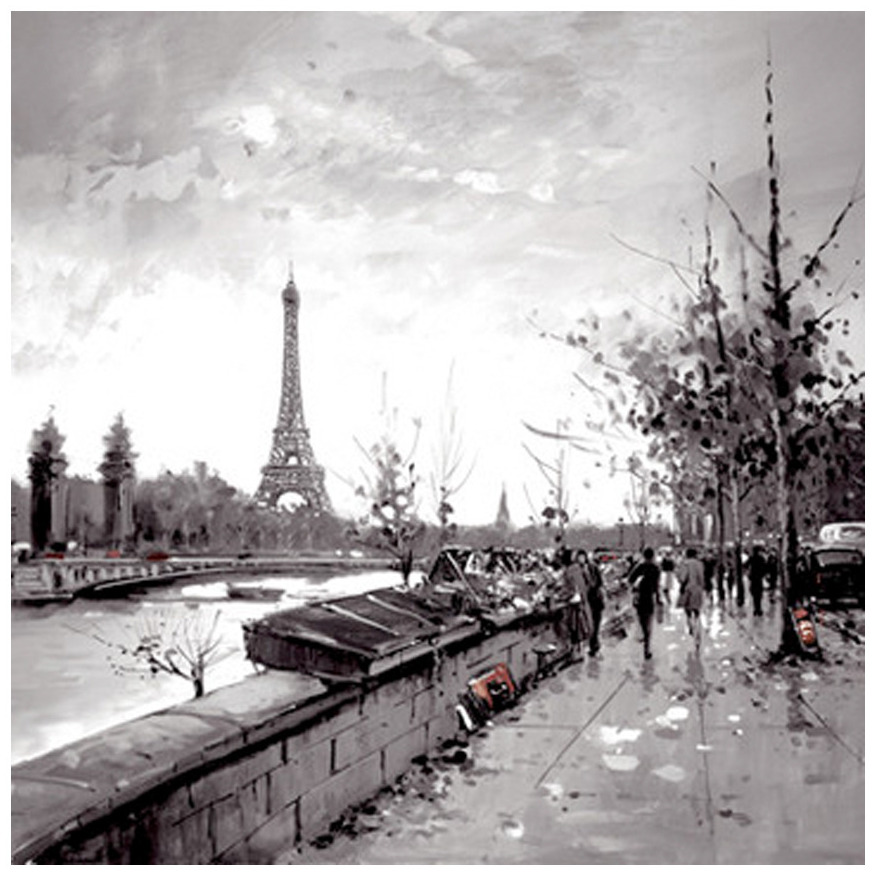
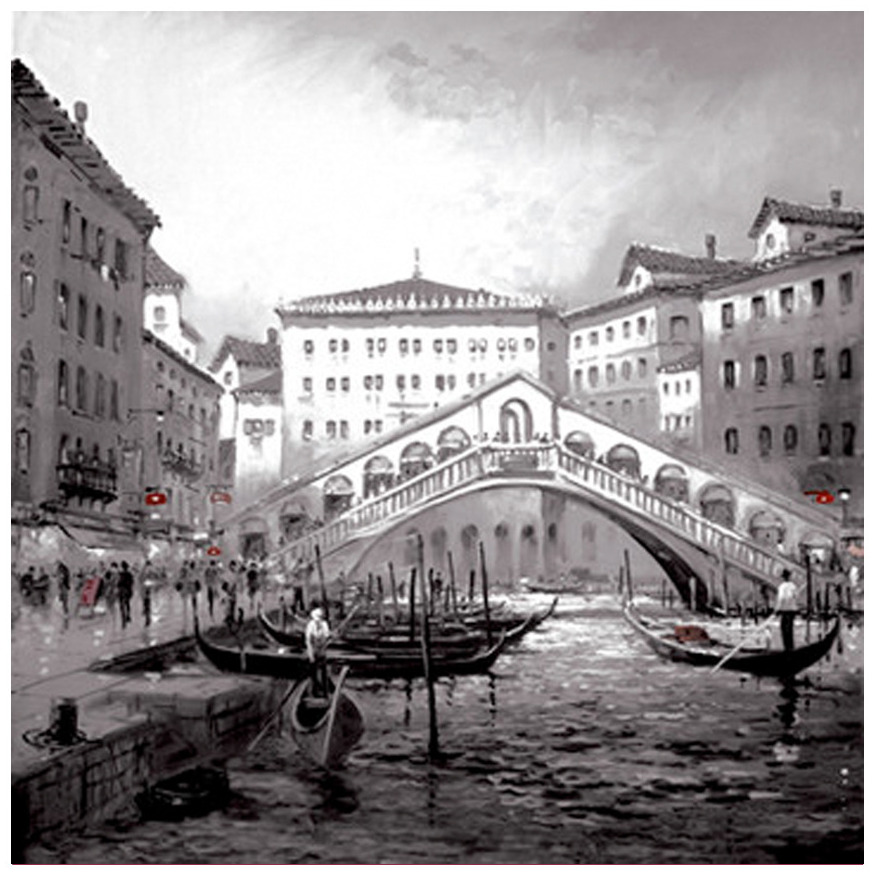
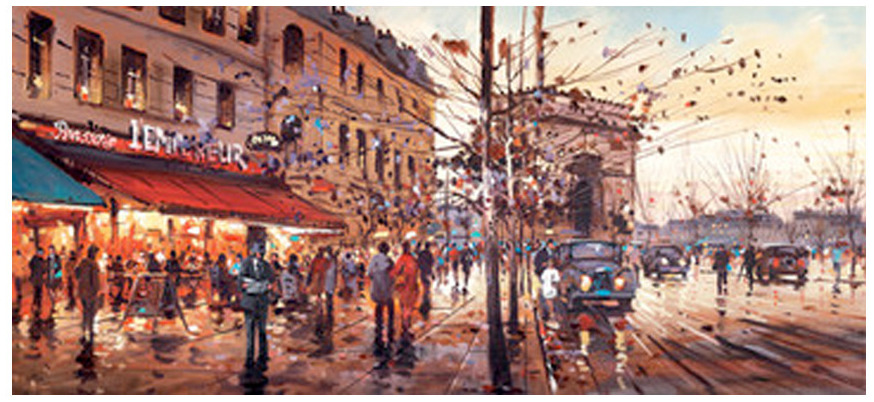
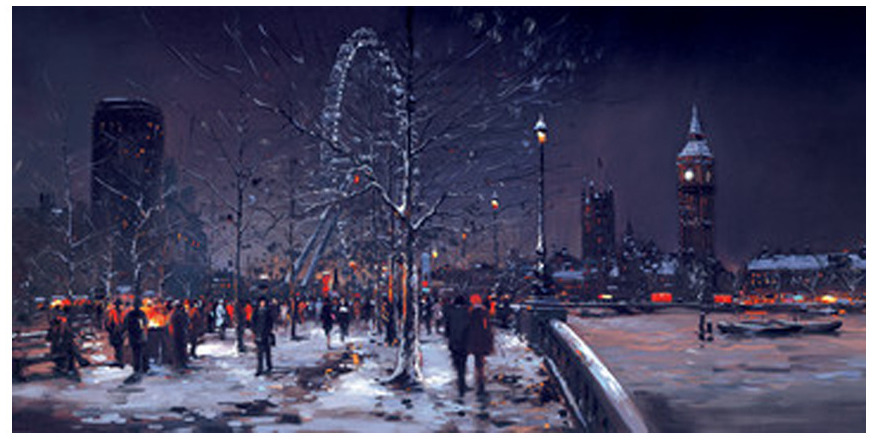
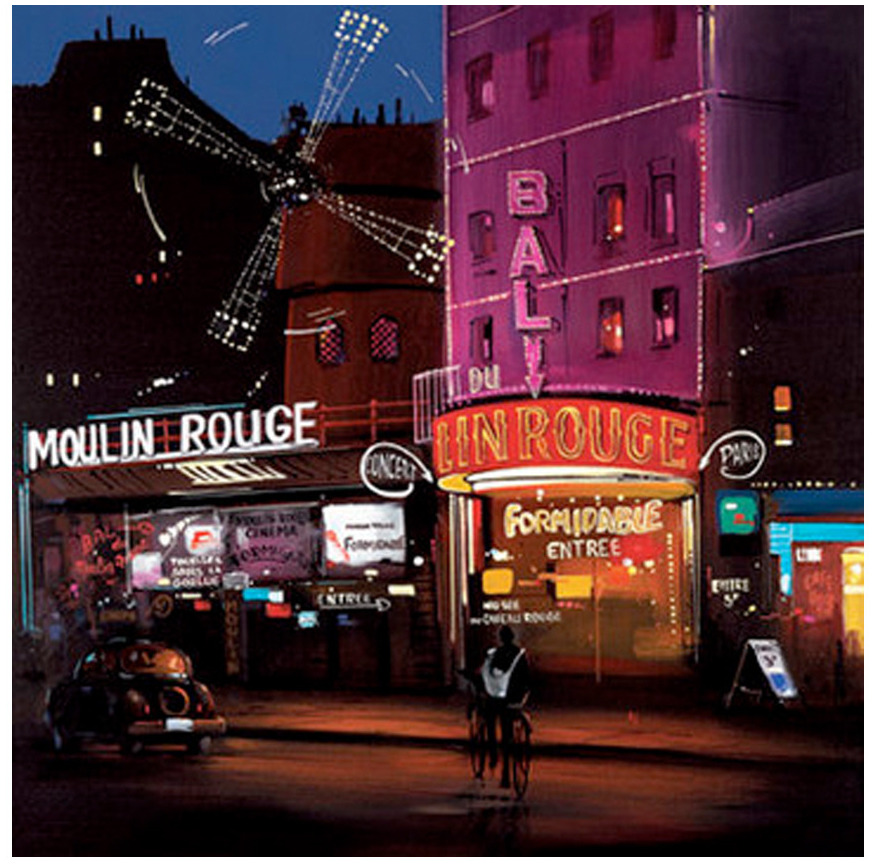
[Gallery] Henderson Cisz
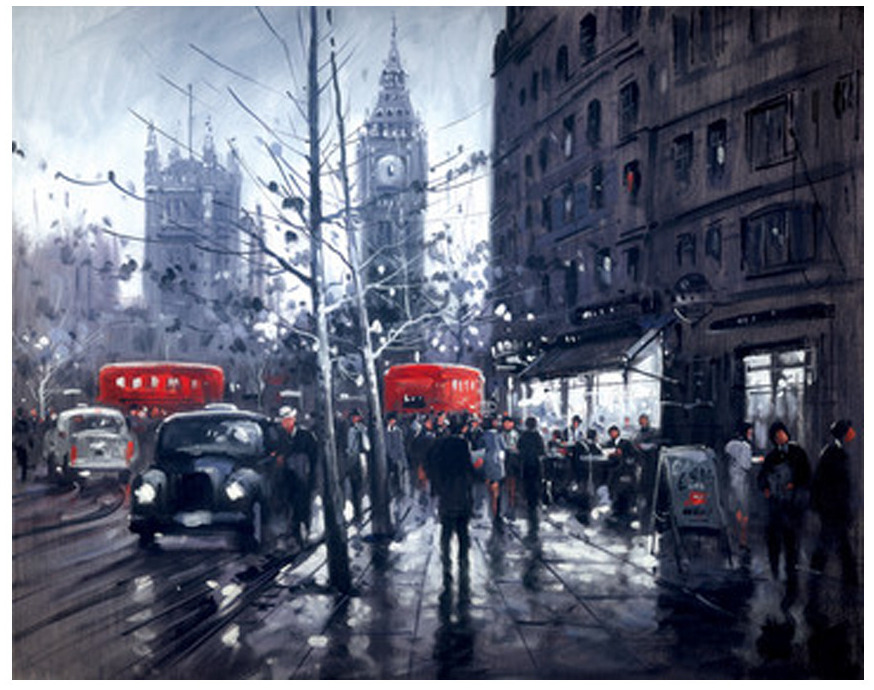
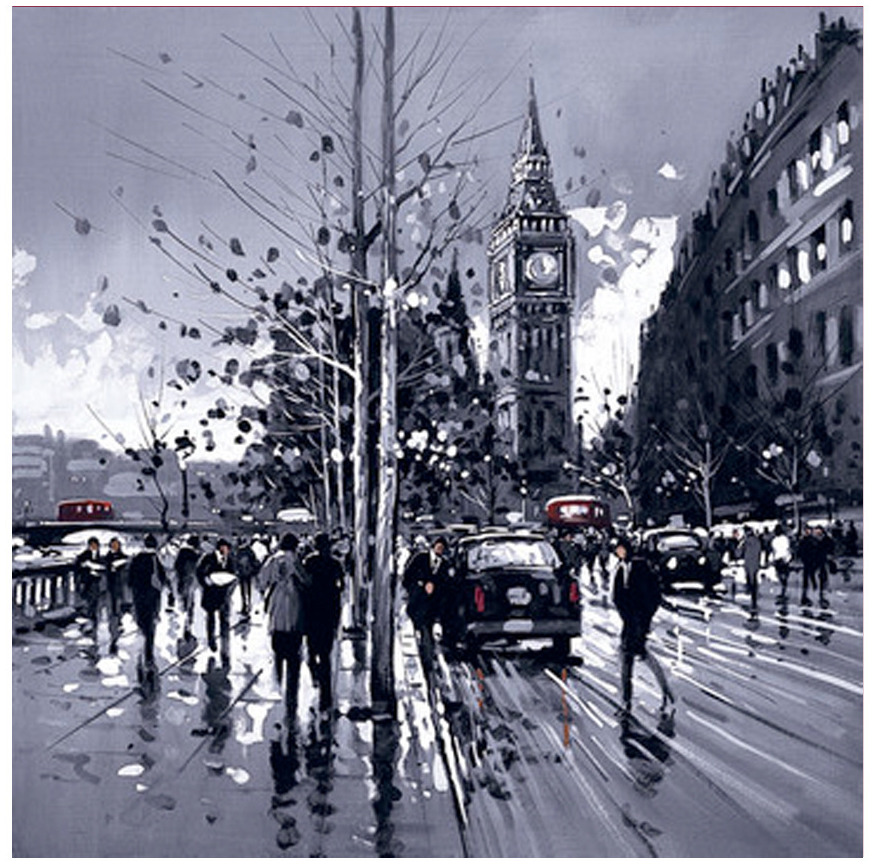
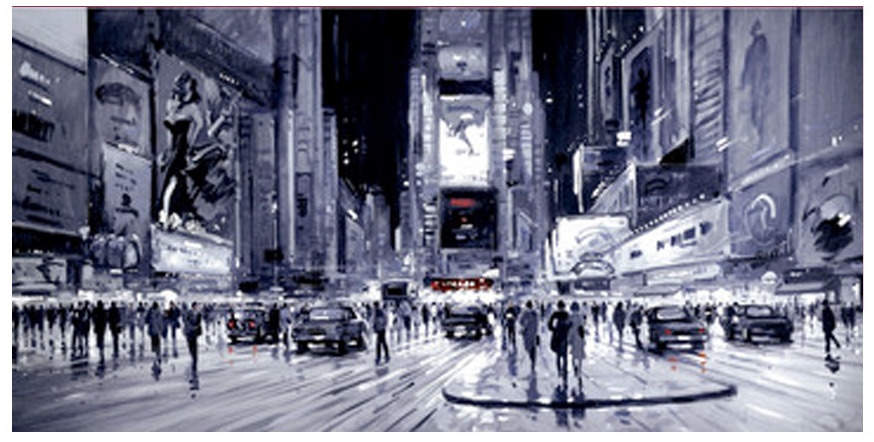
Born in Brazil in 1960, Henderson grew up in a small village near Maringa. His talent for painting was clear from as early age, but he never considered pursuing a career as an artist. Instead he entered the banking profession and continued to enjoy painting as a hobby. By the mid 1980s however, Henderson had become convinced that art meant more to him than banking! In 1986 he moved to London in order to study painting, and to make his passion his profession. He has never looked back and now paints full time in his London studio.
A seasoned traveller, Henderson has spent time in Europe, Australia and of course his native South America. While he loves the ocean and has always found it a source of inspiration and joy, he is also a true city-dweller, and many of his most inspirational works feature scenes from the world’s most beautiful cities. Painting in acrylic, oil or watercolour on canvas, Henderson’s trademark palette utilises cool, soft tones to convey the atmosphere of his subject. His works are regularly displayed in London galleries and at international art fairs.
“I love the effect that weather has on the urban landscape and must confess to a particular fondness for the rain! Not only does it cast interesting shadows and reflections on the slick sidewalks, but it also dictates the stance of the figures. Their slightly defensive postures and hunched shoulders lend a very specific, and to my mind curiously engaging, mood to the overall scene.”
When he is not travelling, Henderson tends to spend the majority of his day painting in his studio which occupies a lovely West London setting close to the Thames. He admits to a great fondness for the UK, and judging by the unstoppable success of his dazzling cityscapes.





















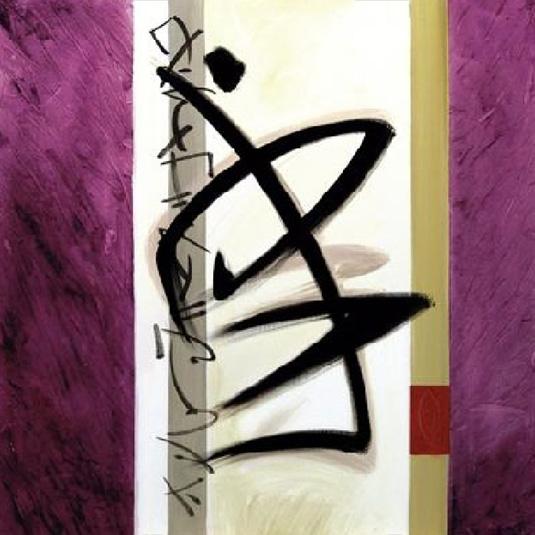
[Gallery] Alfred Gockel
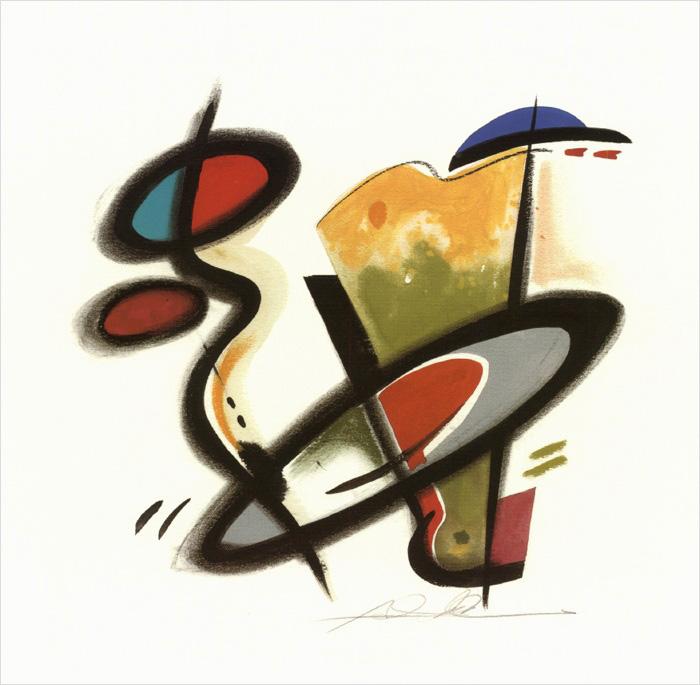
Alfred Alexander Gockel was born in Ludinghausen, Germany in 1952. From his earliest days on, he was fascinated by the magic of colors on paper.
This talent and enthusiasm resulted in the release of this first art work by a German publisher at the age of 8. His art is composed with the most beautiful lighted colors, trimmed with powerful black figures and accents. The separate colors and the black trims all fade together, and create an individual image for every spectator, no matter what culture or social position. The graphics are etchings, screen prints and lithographs, and are artistically connected to the unique sector. The distinctive style is automatically recognized as a true Gockel. However, with graphics the production and printing process is just as considerable as the artistic performance. In his collection we can notice the craftsmanship and dedication of a man who started his career at this field of study, and still can seduce his audience with his own passion.




















































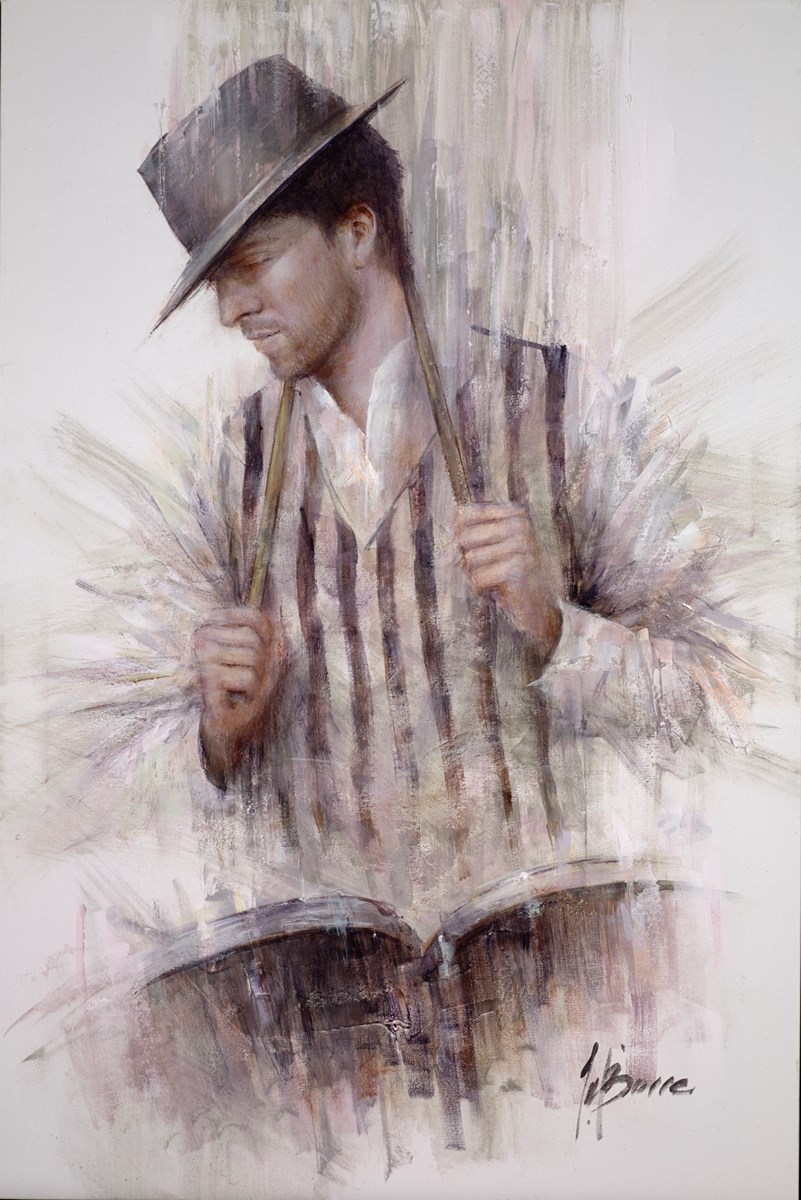
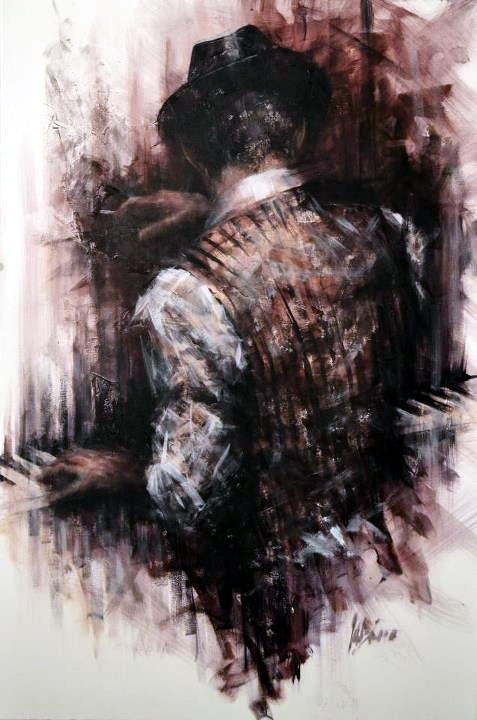
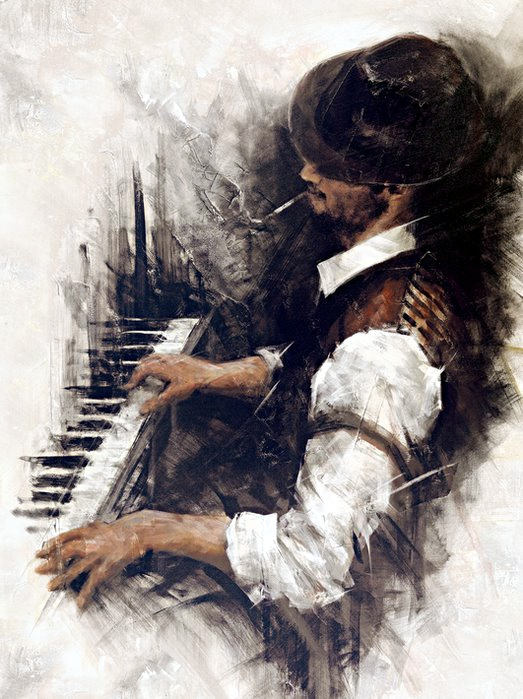
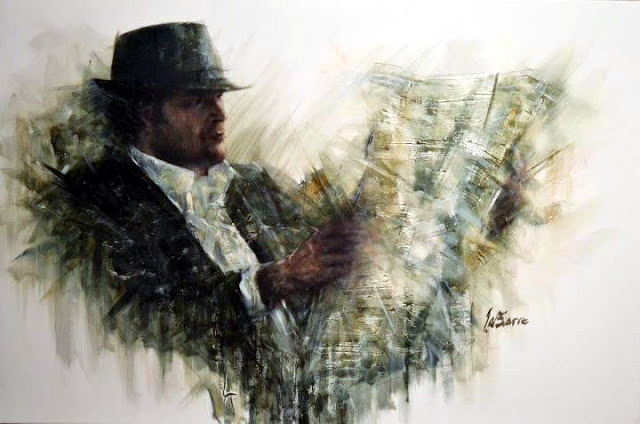
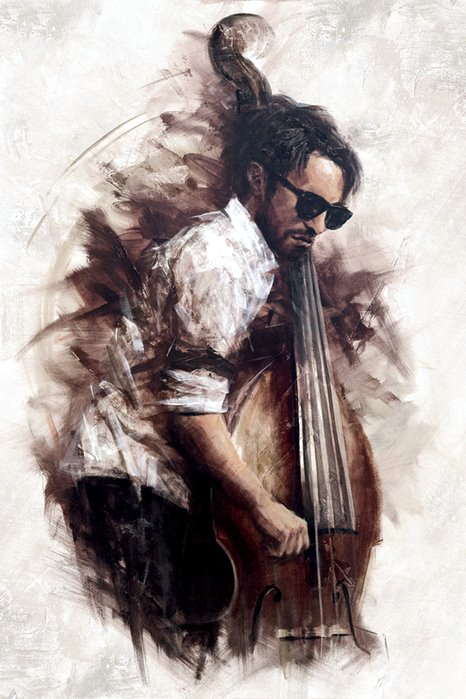
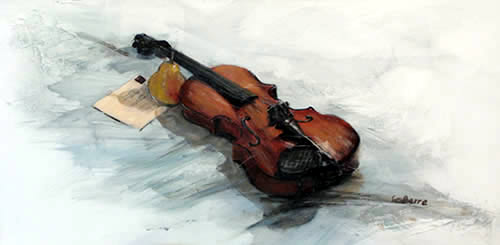
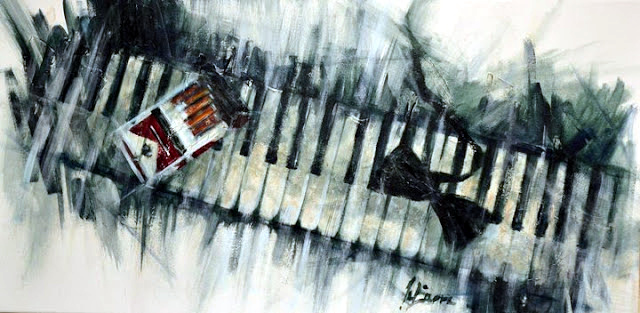
[Gallery] Remi Labarre
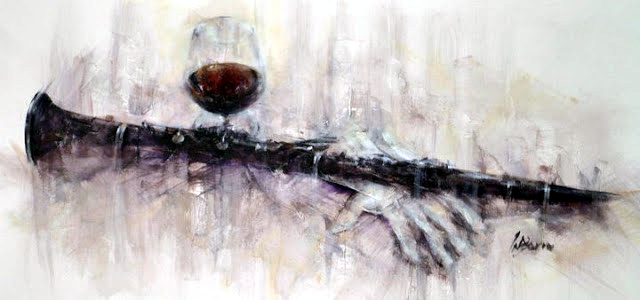
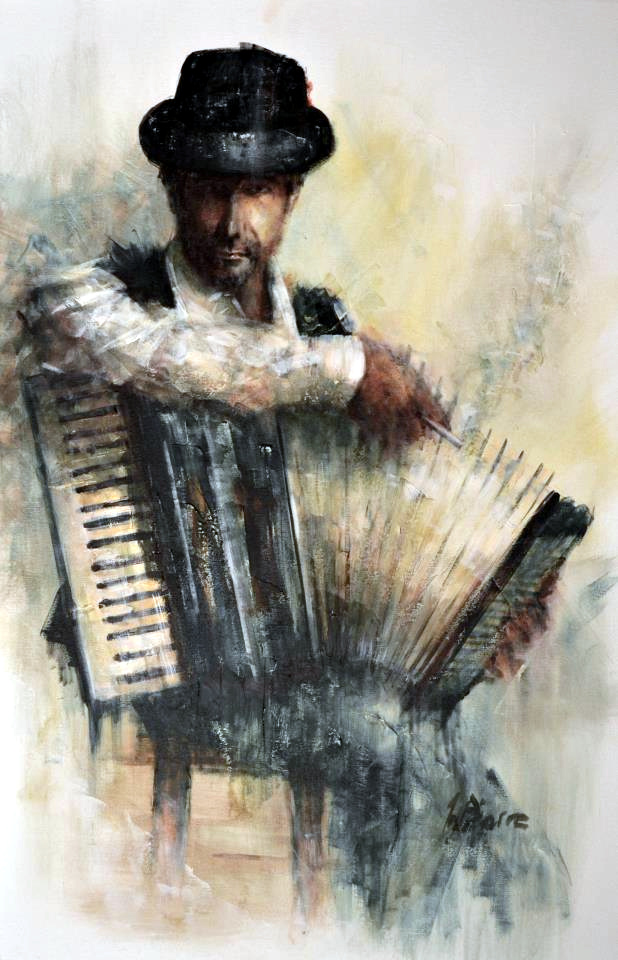
In 1977, in Thetford Mines, Remi LaBarre gets a first glance of the world. In his childhoold, he draws, often, on paperboards and paper… One day, a friend who paints suggests testing this medium. He thus gets some brushes, a few colors and his first painting will dry throughout the days of September 1994. Since then, several paintings, whether portraits or still life, all tales told. These canvases reflect the lighting of hushed environments pointing to the sensitivity of his influences, John Singer Sargent, Richard Schmid, Fabian Perez and Jack Vettriano.
Rémi LaBarre has participated in numerous group and solo exhibitions; has won different prizes and has received an important press coverage. Mr LaBarre’s work is getting international recognition and is now part of both private and public collections. One of the finest artistic satisfactions for this young man is knowing that Leonard Cohen and his entourage own and appreciate his portrait of this great songwriter and singer.
His inspiration comes from these evenings of shared looks between a man and a woman, from the drink that perhaps changed everything and from the musician who noticed it all from the stage…













































[Recipe] Pasta with tuna and tomato sauce

Tuna packed in olive oil is highly recommended for this recipe. If all you have is tuna packed in water, you can try draining it and then adding olive oil to the can, and letting it soak in the olive oil in the fridge for several hours, but you will get the best results if you start with tuna packed in oil.
Ingredients
4 Tbsp unsalted butter
1 750ml can of tomatoes, whole or crushed
Salt
1 pound pasta shells
1/2 cup ricotta cheese
1 large can tuna packed in olive oil
1/4 cup fresh basil, chopped or torn
A generous 1/2 cup grated parmesan cheese
Method
1 Melt the butter in a medium pot on medium heat and add the can of tomatoes, including the juice. If you are using whole canned tomatoes (or fresh ones) crush them with your fingers as you put them in the pot. Simmer gently, partially covered, for 30 minutes.
2 Once the sauce is cooking, heat a large pot of well salted water to a strong boil. Add the shell pasta to the boiling water and cook at a vigorous boil, uncovered, until al dente, cooked through but still a bit firm to the bite, which is usually whatever the time specified on the pasta package minus about 2 minutes. Drain and set aside.
3 Pour off the excess oil from the tuna can and stir the tuna into the tomato sauce. Add the ricotta cheese, and add salt to taste. Turn off the heat. Mix the sauce with the pasta in a large bowl. Mix in the basil.
4 Pour the pasta into a 2 to 3-quart casserole dish and top with the parmesan cheese. Put under a hot broiler for 4-6 minutes, until the cheese is melted and lightly browned. Serve hot.
Yield: Serves 6-8.
Bill Bailey

Katy and I saw Bill Bailey in London a few weekends ago. It was a good show, as usual :) Some quotes from the show:
Rejected BBC Shows:
Arab Spring Watch Rhetorical Question Time Heckler comebacks (there was a really, really annoying woman in the front row who thought she was hot shit):
You’re as insignificant as a like a cress leaf in a vindaloo Talking to you is like catching the bouquet at a funeral BB: Which one came first? DNA or proteins?
Heckler (me!!): RNA!
BB: You know, that’s why I like doing shows in London. You get a better class of hecklers.
A very Merry Unbirthday to you, Sweetie
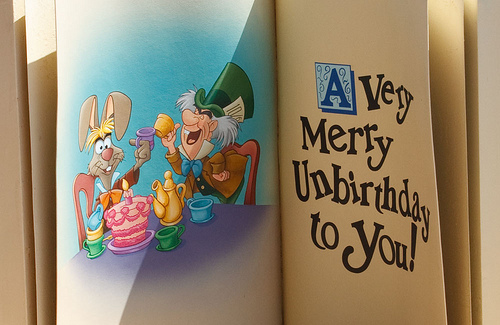
It’s Katy’s unbirthday today!