Skip to content
The beaver is a proud and noble animal

The beaver is a proud and noble animal

Notes from a bemused canuck

  • Home
  • About
  • Bookmarks
  • Pictures
  • Resume
  • Wine
  • Random Recipe
  • Toggle search form

Well, that was exciting!

Posted on November 7, 2019 By admin

Something changed in the wordpress plugin that I use to create my cookbook ebook from the recipes on my blog. This change exacerbated a known issue, and in the process, completely borked my wordpress installation to the point where the only workable option (besides manually deleting 4910 duplicated, broken media library entries) was to restore from a backup.

The good news is that I keep a rolling month of daily backups. The bad news is that I’d never tested the restore procedure (I know, I know).

Happiness is a working restored backup.
uncategorized

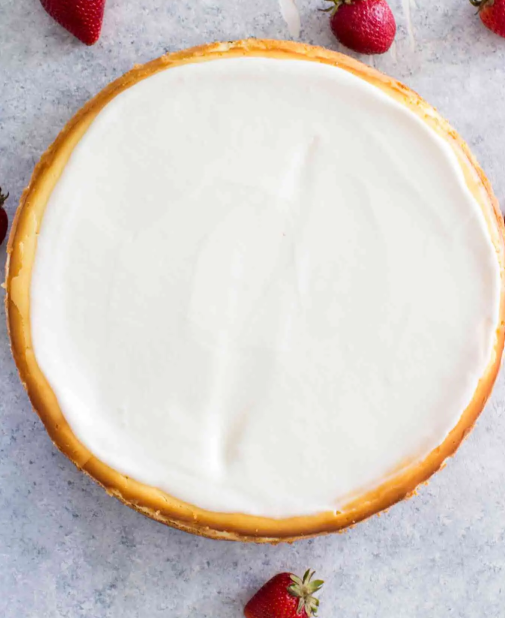
[recipe] Classic cheesecake

Posted on November 6, 2019 By admin


Ingredients
CRUST:
1 1/2 cups/125g graham cracker crumbs
1/4 tsp ground cinnamon
1/3 cup/75g unsalted butter or margarine, melted

FILLING:
900g cream cheese, softened
1 1/4/250g cups sugar
1/2 cup/125ml sour cream
2 tsp vanilla extract
5 large eggs

TOPPING:
1/2 cup/125ml sour cream
2 tsp sugar

Preheat oven to 325F/160C. Place a large pan filled with 1/2 inch water in oven.

Mix graham cracker crumbs and cinnamon; add butter or margarine. Press crust onto bottom and 2/3 of the way up a 9-inch springform pan lined with parchment. Double-wrap a large piece of foil around bottom of pan. Freeze until filling is prepared.

Use an electric mixer to mix cream cheese, sugar, sour cream and vanilla. Blend until smooth and creamy. Scrape down sides of bowl. Whisk eggs in a bowl; add to cream cheese mixture. Blend just until eggs are incorporated.

Remove crust from freezer and pour in filling. Carefully place cheesecake into preheated water bath. Bake in the preheated oven for one hour and 15 minutes. Try not to open the door to the oven. At the 60 minute mark check on the cheesecake if its done. A small area in the center should wobble slightly and the edges should be puffed and light golden brown.

Turn oven off and prop open oven door and leave the cheesecake to cool in oven for one hour.

Combine sour cream and sugar; spread over cake. Cover and refrigerate at least 4 hours.

uncategorized

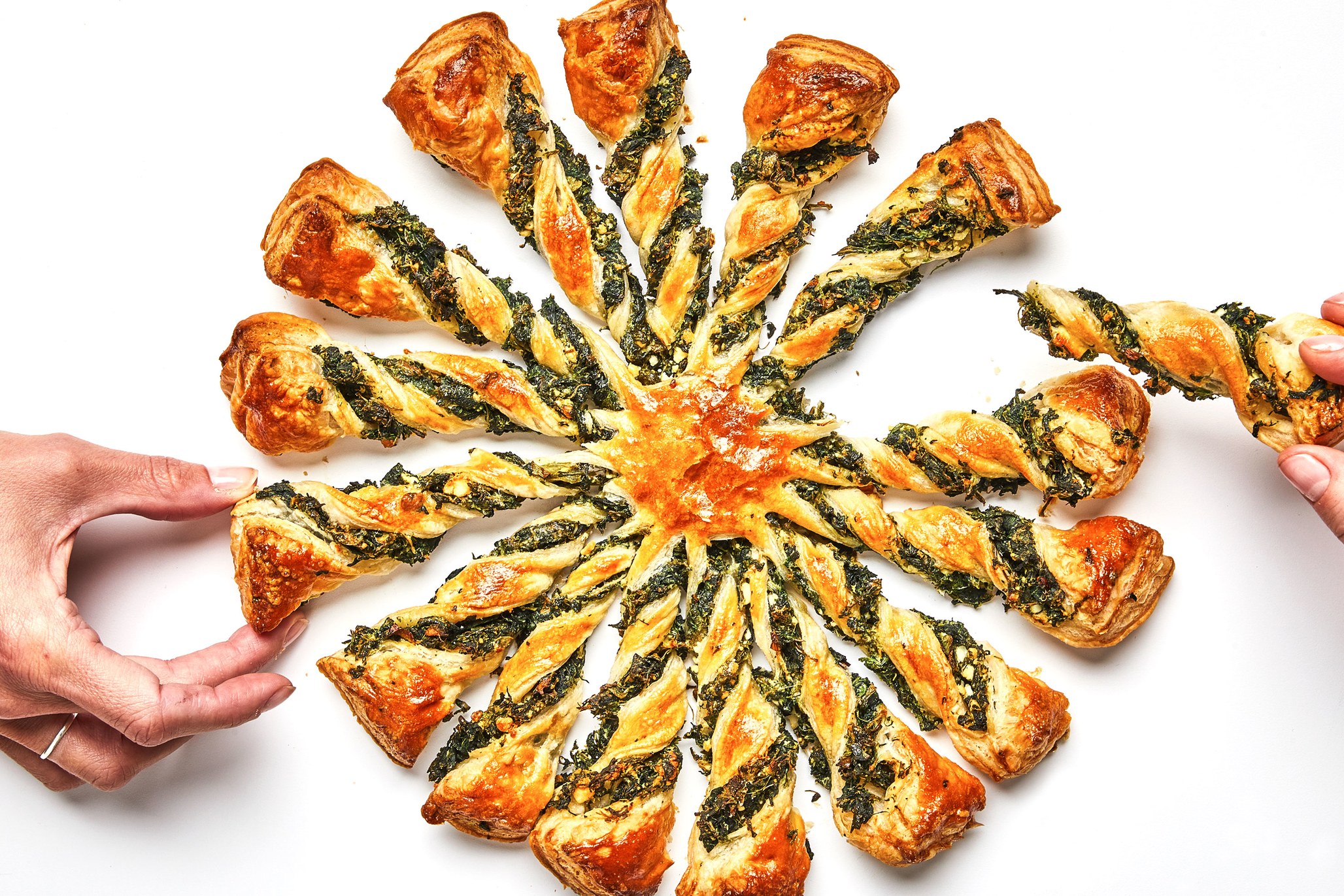
[recipe] Spinach Feta sun tart

Posted on November 6, 2019 By admin


2 sheets puff pastry (defrosted, if frozen)
1 kg fresh baby spinach, or 500g frozen spinach, defrosted.
2 scallions
2 Tbsp. dill
75g Greek feta, crumbled
1 lemon
1 tsp. kosher salt, plus more
freshly ground black pepper, plus more
All-purpose flour (for rolling)
1 large egg

Wilt spinach in a frying pan over a little bit of olive oil. Let cool. If using frozen spinach, place in a colander to drain.

While spinach cools, finely chop 2 scallions and transfer to a medium bowl. Finely chop 2 Tbsp. dill and add to bowl. Crumble Greek feta into small pieces and add to bowl. Add zest of 1 lemon. Season with 1 tsp. kosher salt and freshly ground black pepper.

Transfer spinach to a dish towel and squeeze over the sink — you want to get rid of excess moisture that’ll make your pastry soggy. You’ll be surprised by how little spinach is left, but that’s okay. Chop and add to bowl with scallion mixture. Stir to combine, making sure to break up any spinach clumps.

Find a round object that’s 10–12″ in diameter (the larger, the better – look for a large pan lid). Place one of the pastry sheets, still on parchment, on a work surface or large cutting board. Dust lightly with flour, both over and under. Roll it out, rotating parchment 90° (so you’re rolling in all directions) and dusting with flour if pastry sticks, until it’s at least 1–2″ larger than your round object.

Place round object over pastry, press to indent, then use a sharp knife to trace the circle. Set aside the excess pastry. Transfer pastry round, still on parchment, to a baking sheet. Chill. Repeat with the second sheet of pastry.

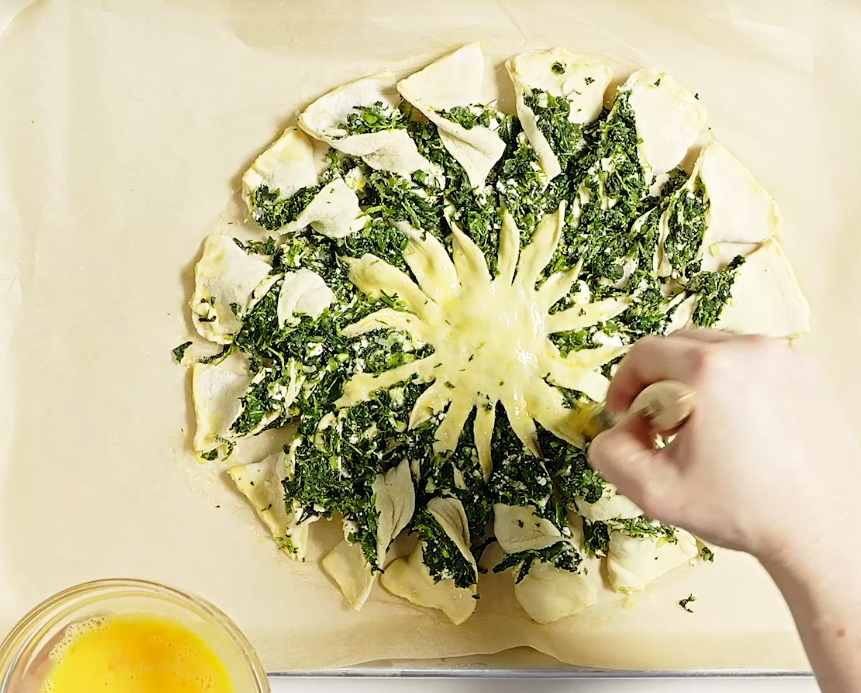
Crack 1 large egg into a small bowl and beat with a fork. Brush egg wash all along circumference of one pastry round (this will seal the two pieces of pastry together); reserve remaining egg wash for later. Spread spinach mixture over, leaving a 1/2″ border. Place second round of pastry on top and press gently to seal. Using a small cup or shot glass (2″ in diameter), make an indent in the very center. Your pastry might be slightly warm by now. If so, chill 10–20 minutes.

Once pastry is cool, transfer the whole set-up, parchment and all, to a work surface. With a chef’s knife, cut pastry into 4 quadrants, stopping when you reach the center circle. Cut each quadrant in half, then in half again, so that you have 16 spokes. Transfer tart with parchment back to sheet tray. (We’re doing this so that you can make sharp cuts and avoid transferring a delicate item)

Working with one spoke at a time, pull gently away from the center (to extend the length of each piece), then twist to expose the spinach insides. Aim for three or four twists. Nudge them around to distribute evenly. Freeze until cold, 10–15 minutes.

Meanwhile, place a rack in middle of oven; preheat to 400F/200C. Brush tart all over with reserved egg wash; season with salt and pepper. Bake tart until risen and well browned all over, 30–35 minutes.

uncategorized

[recipe] Montreal-style bagel

Posted on November 1, 2019September 24, 2023 By admin

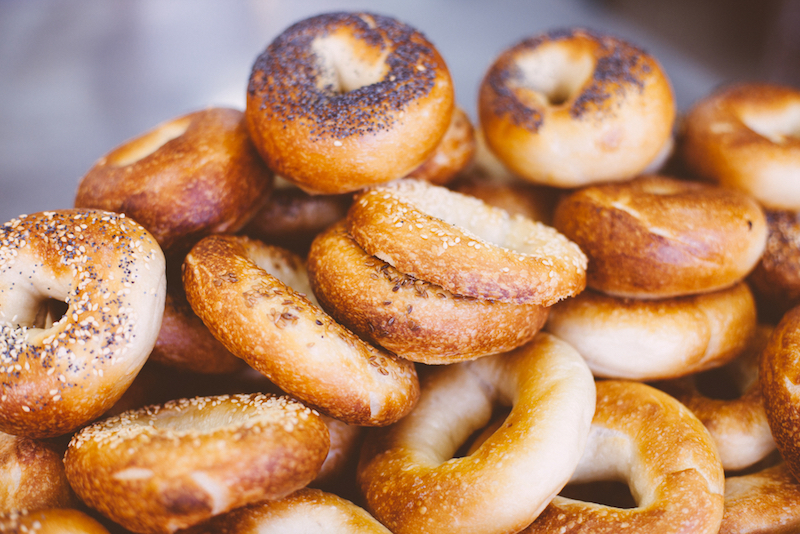
In the great debate between NY-style and Montreal-style bagels, I’m biased – I grew up eating bagels in Montreal and, to me, they represent a taste of home. New York-style bagels are soft, chewy and doughy. Montreal-style bagels, on the other hand, are smaller, denser and sweeter. Both are boiled before they are baked, to create the thick, shiny, chewy exterior. New York bagels are made with salt and malt, whilst honey and extra eggs are added to the water when baking a Montreal bagel. The cooking process for each type of bagel also differs. A New York bagel is first boiled before being baked in a traditional oven. A Montreal bagel on the other hand is boiled in water that contains added sugar and honey before being baked in a wood-fired oven.

Ingredients

350 g warm water
60 g sugar
30 g oil
10 g active dry yeast
1 egg
20 g honey
8 g salt
Up to 700 g flour

For finishing:
150 g honey
Preferred topping (sesame seeds, poppy seeds, everything mix)

Everything bagel mix:
2 tbsp poppy seeds
1 tbsp white sesame seeds
1 tbsp black sesame seeds
1.5 tbsp dried minced onion
2 tsp flaked sea salt or coarse salt

Making the dough:

In a large bowl, whisk together water, sugar, oil, yeast, egg and honey. Whisk in salt. Gently stir in some of the flour (approx. 550g), one cup at a time, until a soft dough forms.

Turn dough out onto surface and gently knead until it begins to comes together. Continue to knead, adding flour as needed to prevent sticking, until you have a soft, dough that bounces back when you press on it — it should take 10 – 12 minutes.

When dough is properly kneaded, place in an oiled bowl, making sure to get a thin coat of oil on dough. Cover with a towel and let rest 30 minutes.

Cut dough into pieces between 100g-120g. Keep pieces covered with towel while you work.

Shaping:

Roll each piece into a 10 – 12 inch rope. Do not add flour to the surface, unless to prevent sticking.

Wrap rope around your four fingers, overlapping the ends on the inside of your hand to make a circle. To seal, roll your hand back and forth, pressing gently to complete the circle. Place on floured surface to rest and cover with a towel as you work. Keep bagels covered as you go.

Let bagels rest 30 minutes.

Boiling and baking:

Preheat oven to 450F/225C/200C Fan with a parchment paper-lined baking sheet inside.

Fill a large pot with water. Put to boil over medium-high heat. Add 150 g of honey to pot of water and bring to a full boil.

Handle rested bagels gently to keep their shape. Boil bagels in batches, 1.5 – 2 minutes per side. Remove from water using a slotted spoon. Place onto cooling rack and sprinkle heavily with seeds.

Place bagels on heated pan in oven and bake until golden brown, 15 – 20 minutes.

uncategorized

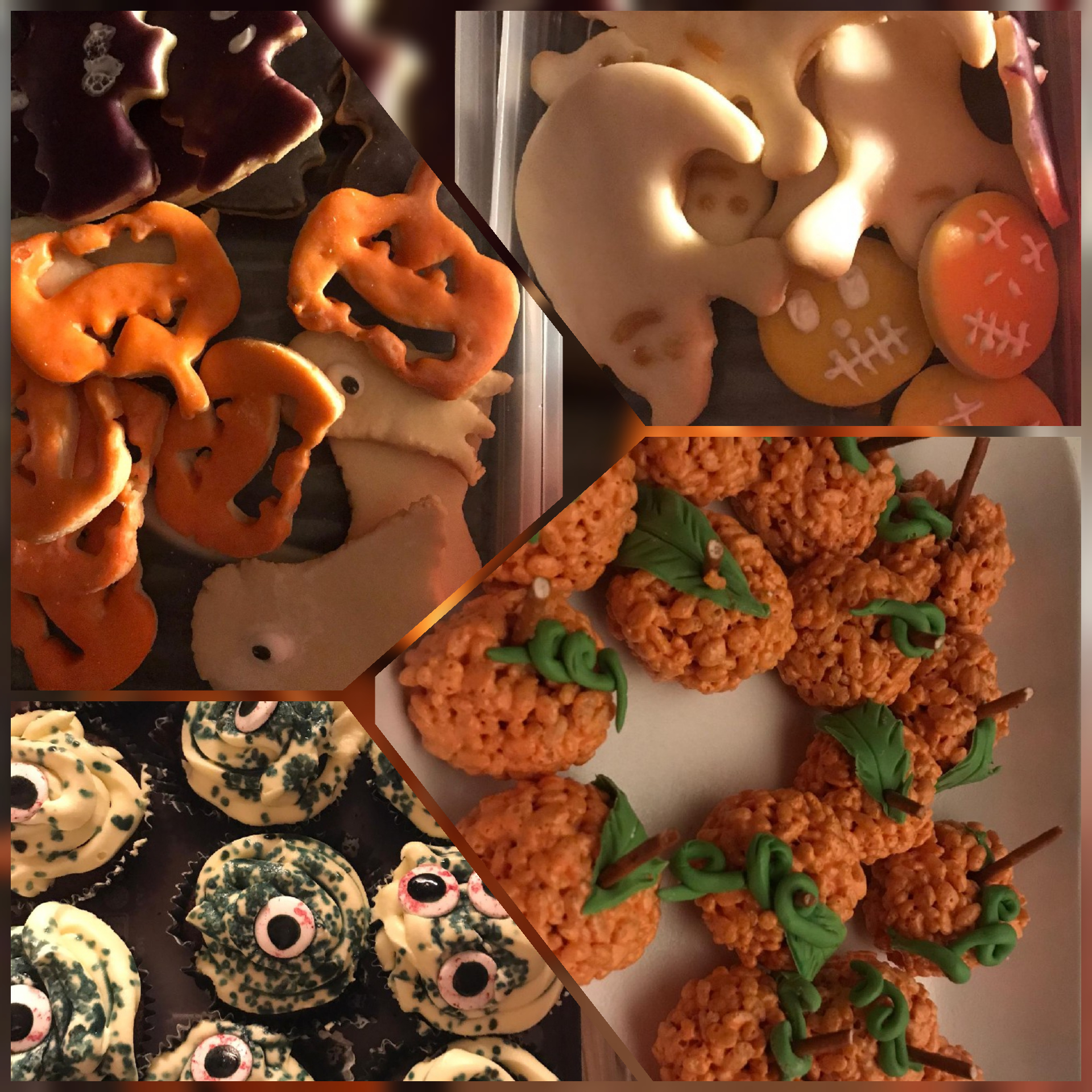
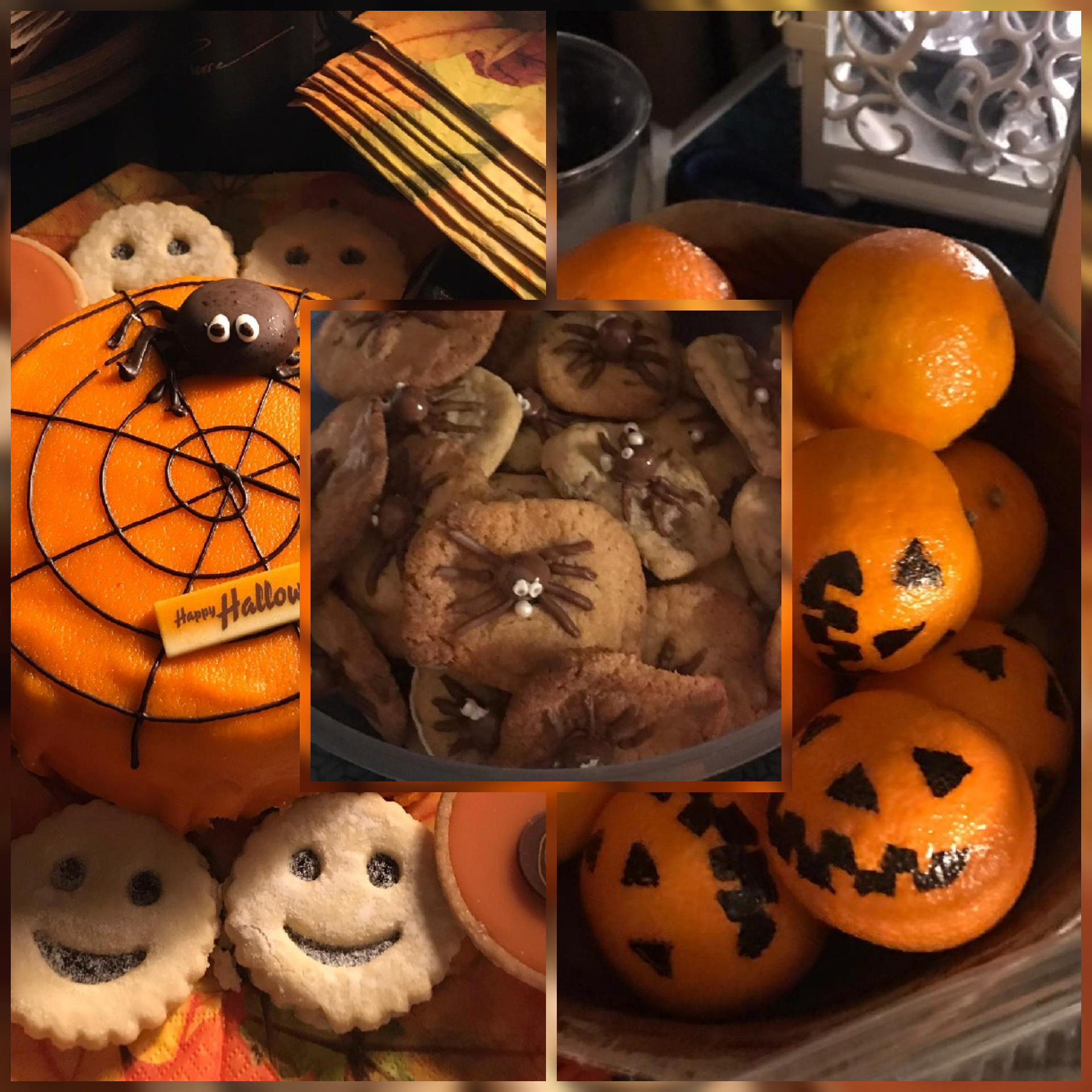
Halloween 2019, done!

Posted on October 31, 2019October 31, 2019 By admin

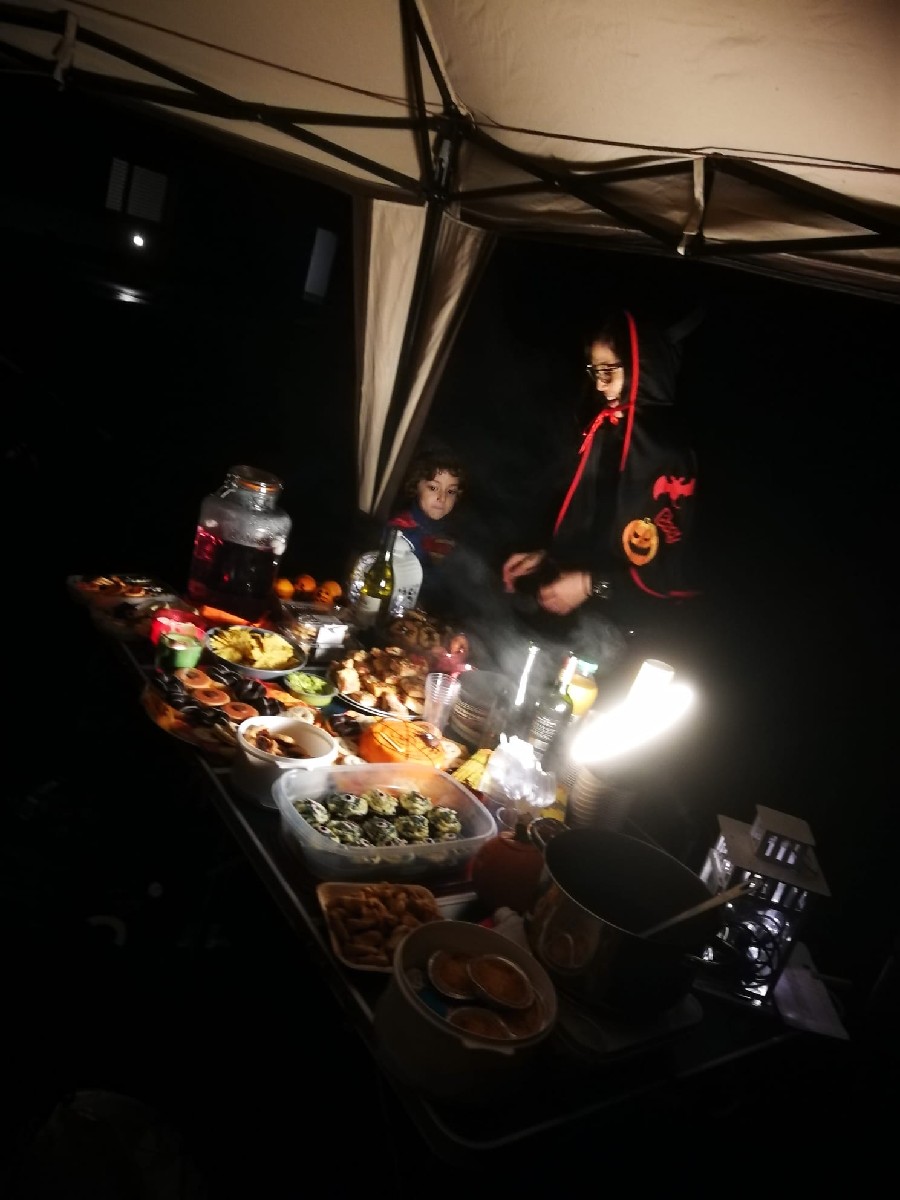
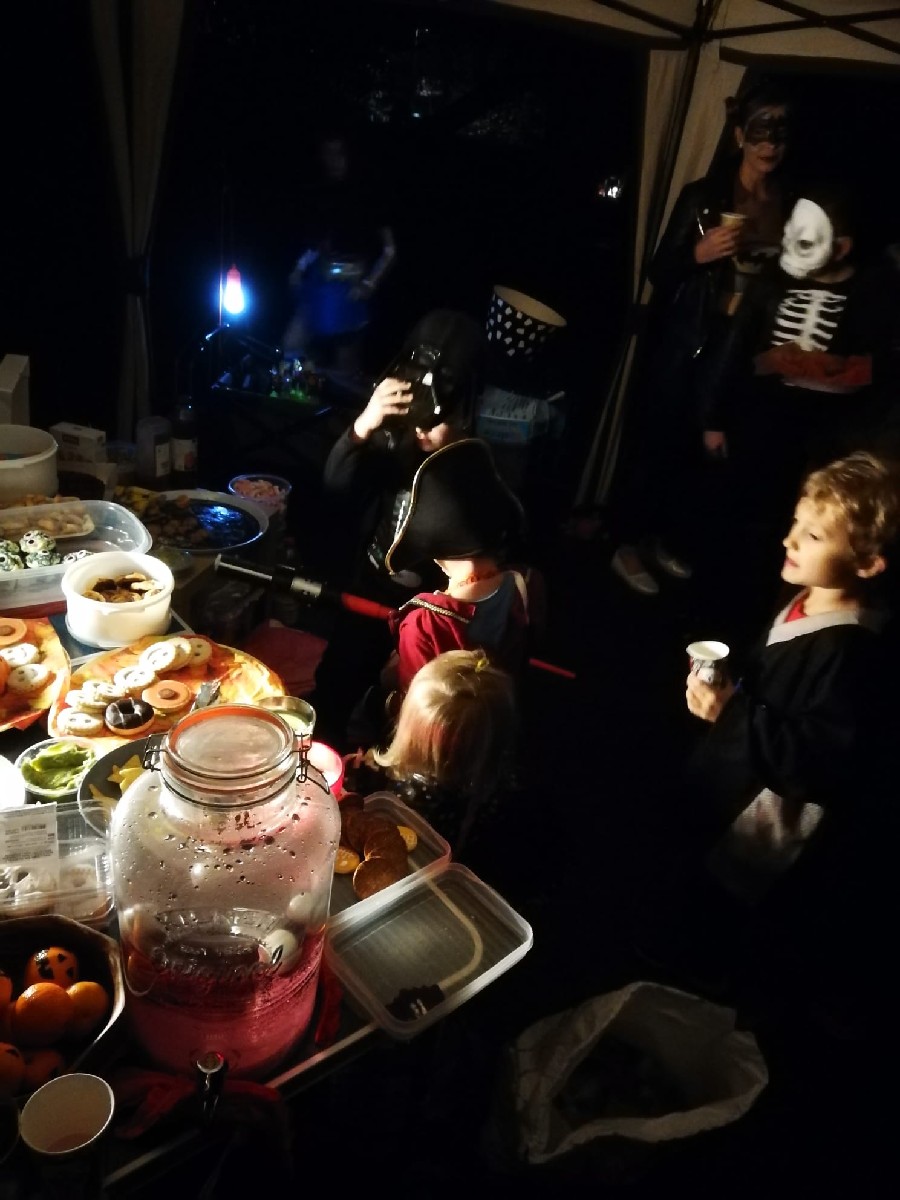
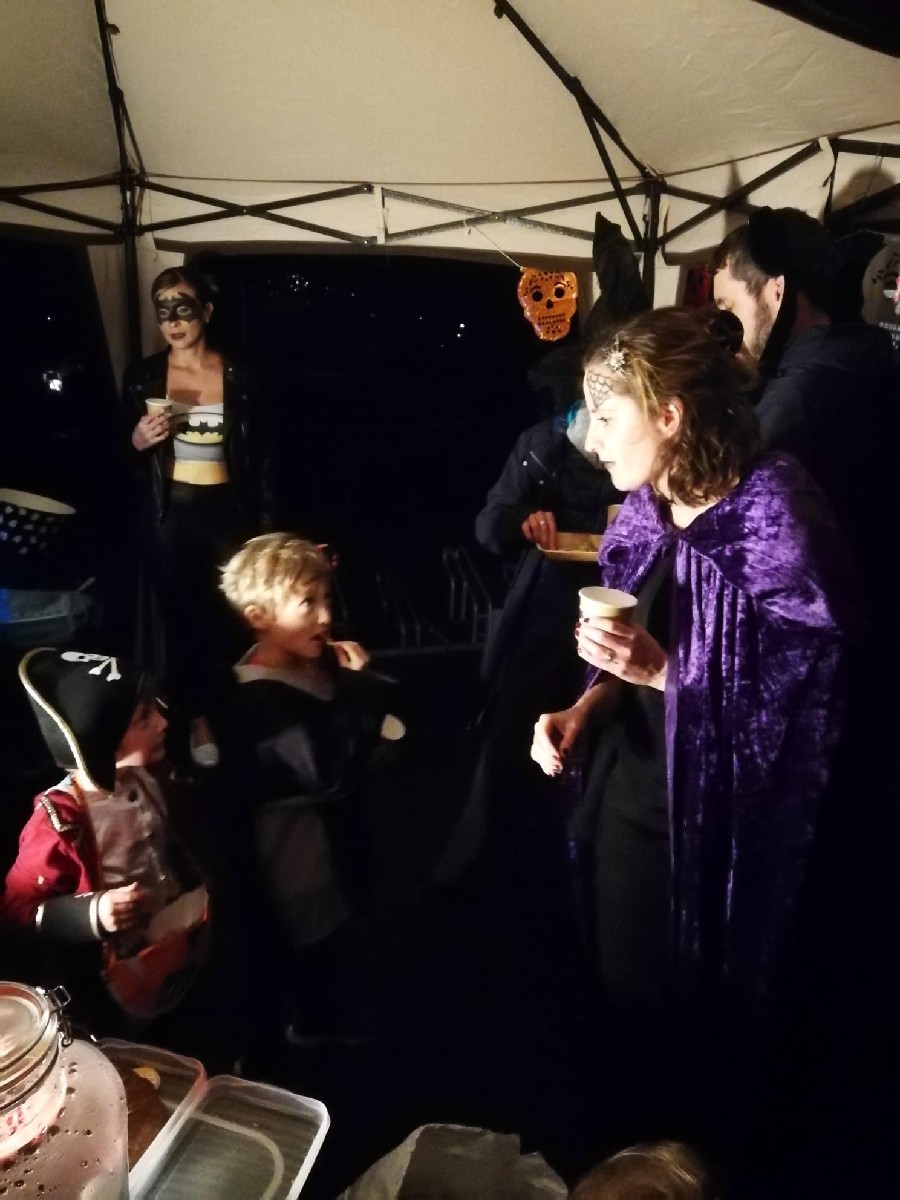
It involved way too much drama behind the scenes (that fscking Marshmellow mask!!!!) but the building’s annual Halloween party went off without a hitch, thanks to the combined efforts of Katy, Jen and MJ (and Ben will be very vocal in saying that he helped – even though his help was more autocratic micromanagement).

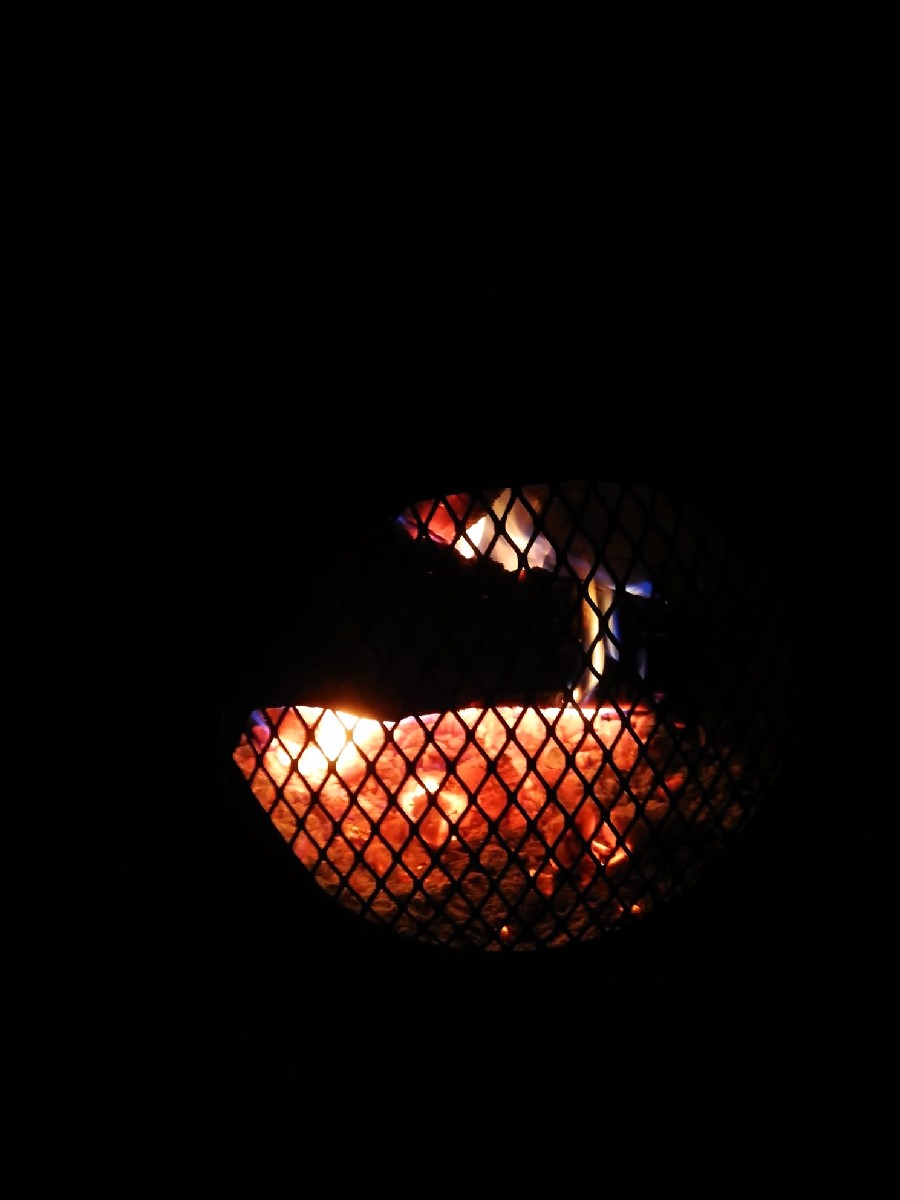
It was the biggest one yet, with a bunch of people coming from other buildings, friends of friends and random people I didn’t know. The kids seemed to get a good haul. The adults were congregating under the gazebo, happily socialising over a drink or keeping warm around the fire in the chimenea.

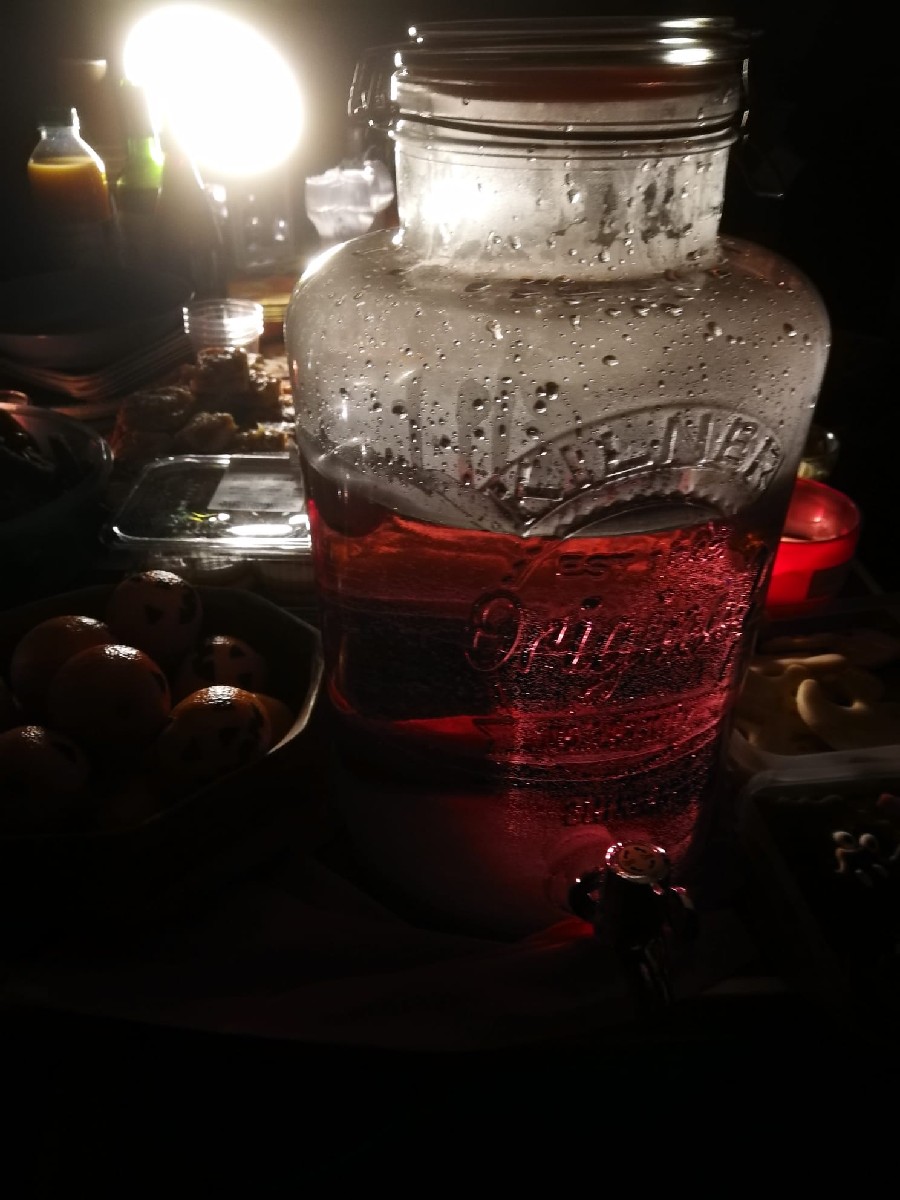
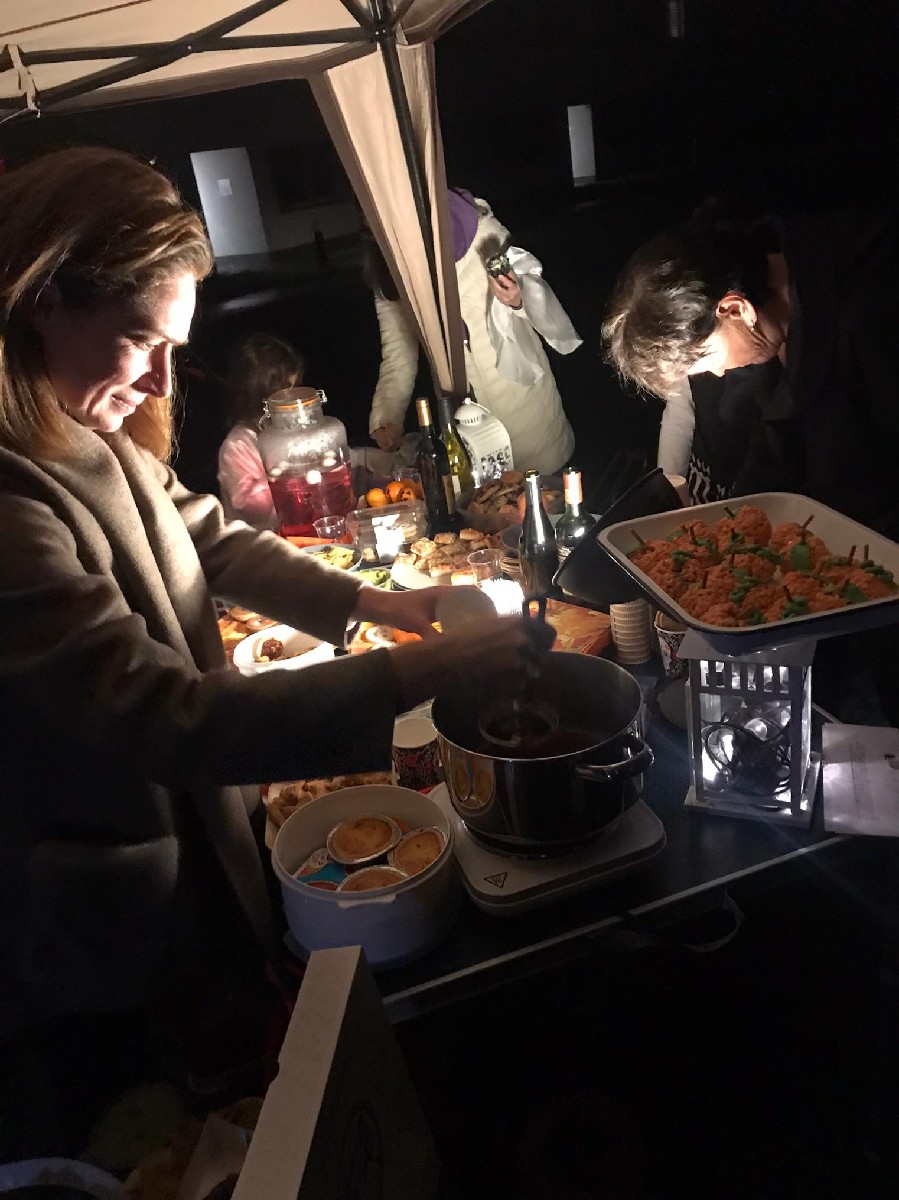
We ran out of mulled wine (but there were several bottles that were there to take up the slack). There was a ton of food – the guys at work tomorrow will be happy with the leftovers. After the fact, I’m happy we did it. People really seem to appreciate it. I just wish it didn’t involve as much drama as it seems to involve as part of the planning.

uncategorized

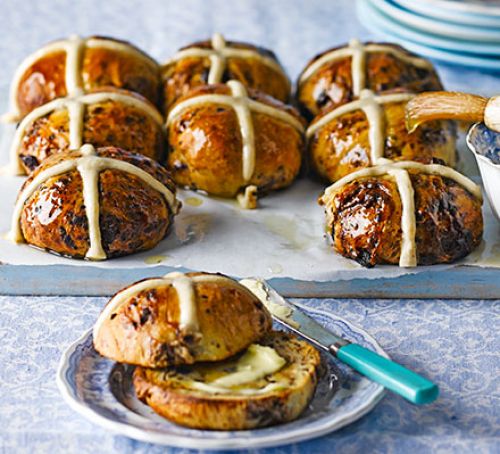
[recipe] chocolate orange hot cross buns

Posted on October 31, 2019 By admin


zest and juice 1 large orange
sunflower oil, for greasing
225ml semi-skimmed milk
50g unsalted butter, plus extra for greasing
1 large egg
450g strong white bread flour, plus extra for dusting
2 tsp fast-action yeast
50g golden caster sugar
200g chocolate, 70% cocoa solids
1 tsp ground cinnamon
4 tbsp golden caster sugar
100g plain flour

Make the dough first. Heat the milk in a pan until steaming. Remove from the heat, and drop in the butter. After a couple of mins, beat in the egg, half the orange juice and half the orange zest. The liquid should be just warm for step 2.

Mix the strong flour, yeast, 1 tsp salt and the sugar in a large bowl, then tip in the liquid and stir to make a soft dough without dry patches. Flour the work surface and your hands, then knead the dough for 5-10 mins until smooth and elastic. Use a stand mixer or processor if you like. Oil a large bowl, sit the dough inside it, then cover with oiled cling film. Rise in a warm place for about 1 hr or until doubled in size.

Break the chocolate into a food processor with the cinnamon and 2 tbsp sugar, then pulse until very finely chopped. Mix in the rest of the zest. If you don’t have a processor, chop it by hand or grate it, then mix with the other ingredients.

Turn the risen dough onto a floured surface and press it out to a large rectangle, a little bigger than A4 paper. Scatter it evenly with the chocolate mix. Roll the dough up around the filling, then knead it well for a few mins until the chocolate are evenly spread. Some chocolate will try to escape, but keep kneading them back in.

Grease then line a large baking sheet with baking parchment. Divide the dough into 12 equal pieces. Shape into buns by pinching each ball of dough into a purse shape, concentrating on making the underneath of the ball (which will be the top) as smooth as you can. Put the buns, smooth-side up, onto the baking sheet, leaving room for rising. Cover loosely with oiled cling film and prove in a warm place for 30-45 mins or until the dough has risen and doesn’t spring back quickly when prodded gently.

Heat oven to 190C/170C fan/gas 5. To make the paste for the crosses, gradually stir 6-7 tbsp water into the plain flour to make a smooth, thick paste, then put in a food bag and snip off the end to about 5mm. Pipe the crosses, then bake for 20-25 mins until the buns are risen and dark golden brown.

Mix the rest of the orange juice with the remaining sugar and let it dissolve. Brush the syrup over the buns while they are hot, then leave to cool. Eat on the day of baking, or toast the next day.

uncategorized

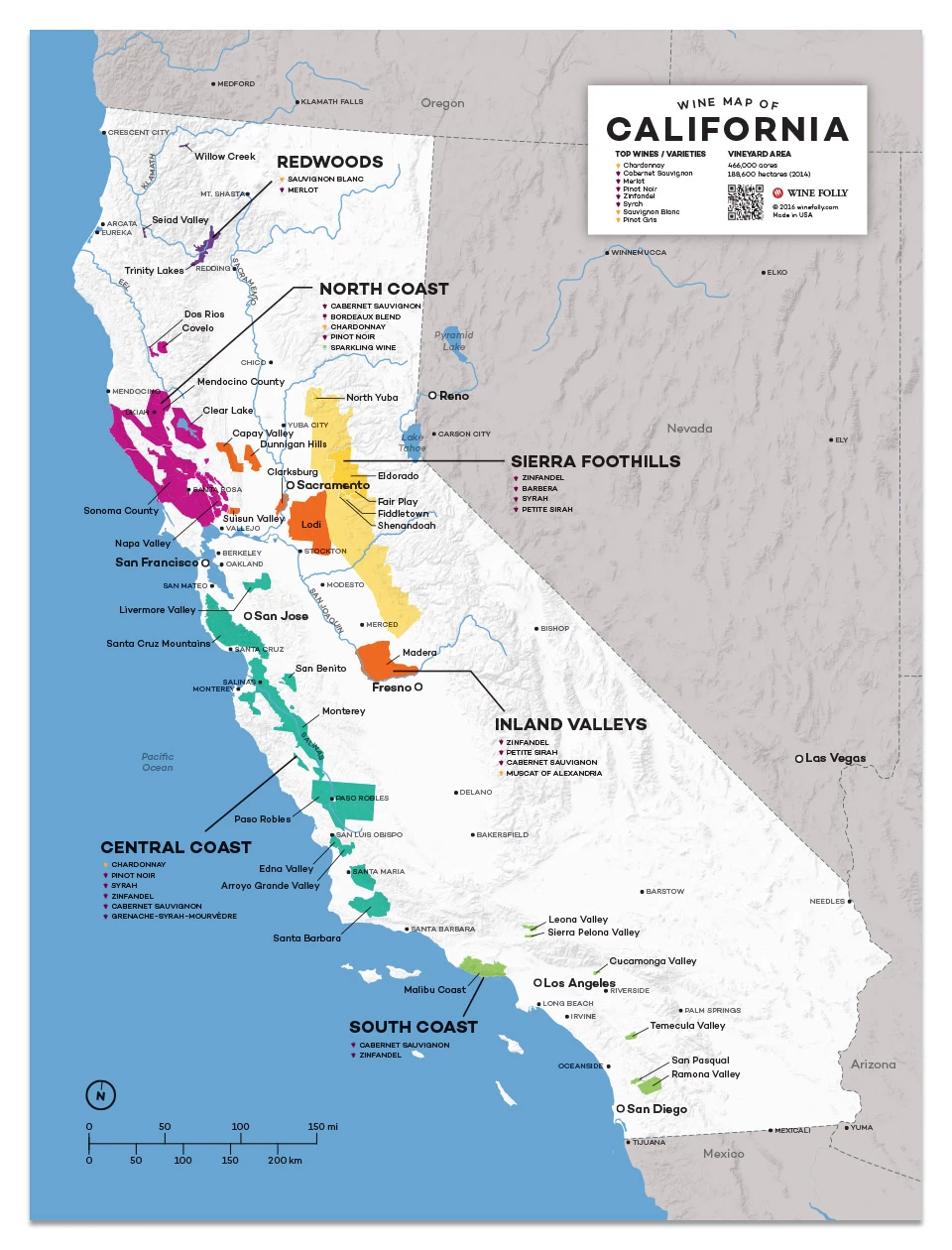
[wine] New world world, California

Posted on October 30, 2019October 30, 2019 By admin

Central Coast

The Central Coast is a large encompassing American Viticultural Area (AVA) that extends from the south of San Francisco all the way to Santa Barbara, California. The region contains 40 AVAs including Paso Robles, Santa Cruz Mountains, Monterey, and Santa Barbara and each of these sub-regions specializes in different types and expressions of wine. While the Central Coast may not have the same namesake as Napa Valley, it does happen to produce some of California’s most intriguing, up-and-coming wines. The majority of the vineyards can be found in the valleys that open up to the Pacific. The benefit of being along the coast is that the cold, moist air gets pulled in and creates a layer of morning cloud cover which reduces temperatures and sun exposure on the grapes. This is why cool climate varieties such as Chardonnay and Pinot Noir excel in the coastal regions of the Central Coast AVA.

Notable Cool and Coastal AVAs

Santa Cruz Mountains: The mountains to the west of Silicon valley were originally planted with vines by French immigrants in the early 1900s. The upper slopes and western side are known for Pinot Noir, whereas the more inland areas produce elegant examples of Zinfandel, Merlot, Cabernet, and Syrah.
Sta Rita Hills: This region was featured in the blockbuster flick Sideways and perhaps because of the press (and partly because of the quality), SRH has since become one of the most famous Pinot Noir and Chardonnay regions on the West Coast.
San Luis Obispo: Edna Valley and Arroyo Grande Valley are the 2 AVAs in SLO that produce outstanding, rich Chardonnay and Pinot Noir wines.
San Benito: An intermediate climate area with a vein of limestone soils that’s become known for Pinot Noir (look up Calera) but there is potential for elegant styles of Sangiovese, Merlot, Zinfandel, and Cabernet Franc.
Monterey: A larger encompassing region with many large scale vineyard farms producing a great deal of the bulk Chardonnay and Merlot that we see labeled “Central Coast” in grocery stores. Still, within Monterey AVA, there are several great sub-regions including Santa Lucia Highlands, Chalone, and Arroyo Seco.
Santa Maria Valley: Home to the California’s largest connected vineyard, Bien Nacido, which has 900 acres in Santa Maria Valley. The region is more intermediate in terms of climate and is hailed for its lusher styles of Pinot Noir, Chardonnay, and Syrah.

Notable Warmer and Inland AVAs

Where there isn’t morning cloud cover, there is a very different wine scene. The inland regions and ridges receive ample sunshine and a long, hot, dry growing season, so you’ll see a prevalence of warm to hot climate grapes excel here including everything from Syrah, Grenache, and Mourvèdre to Cabernet Sauvignon and Zinfandel.

Paso Robles: One of the most exciting regions for Syrah and other Rhône varieties on the West Coast. The area also produces a great deal of pocketbook-friendly, smoky, and satisfying Cabernet Sauvignon.
Santa Ynez Valley: Moving inland from Sta Rita Hills, it gets noticeably hotter and you’ll find a focus on Cabernet Sauvignon, Cabernet Franc, Merlot, and Syrah.
Ballard Canyon: Noted for being slightly cooler than the Santa Ynez Valley because of massive temperature shifts between night and day. Ballard Canyon has a keen focus on Syrah and other Rhône varieties including Grenache, Viognier, and Roussanne.
Hames and San Antonio Valleys: The inner-most regions of Monterey contain some of the largest bulk wine production farms and wineries. There is potential here considering the presence of limestone soils but quality will need to start in the vineyards.

Napa Valley

Napa Valley is most recognized for Cabernet Sauvignon. Beyond that, the most popular varieties are Merlot, Chardonnay and Pinot Noir. Cabernet Sauvignon wines from Napa Valley are truly incredible. The Cab wines tend to divide into two broad categories:

Napa Valley Floor Wines – Lush and refined…
Flavors: Blueberry, Ripe Plum, Black Cherry, Licorice, Mocha, and Violet (or mint). Usually, well-rounded with more refined flavor profiles along with fine integrated tannins.
Features: If you’re into lush, bold, and opulent Cabernet wines with a dominance of fruit (vs. other) flavors then the Napa Valley AVAs are likely to make you very happy. These wines show marvelously in their first decade and then, if you’re lucky, hit another sweet spot at around 15 or so years of age. If you follow ratings, the valley Cabs are generally well-loved by the critics too and garner the highest ratings.

Napa Hillside Wines – Dusty and bold…
Flavors: Black Currant, Black Cherry, Wild Berry, Spicebox, Anise, Espresso, Cedar, and Sage. Wines have more rustic flavor profiles with heightened minerality and earthiness, supported by firm tannins.
Features: If you’re into bold, smoky, and mineral driven Cabernet wines with good structure (AKA tannins) then the hillside AVAs of Napa are likely to make you very happy. The more variable temperatures on the hills produce smaller berries which in turn add additional color and tannin to the wines. These wines generally take longer to come around due to the higher tannin (maybe 5–10 years) but when they do, they become more lithe and supple.

Other grapes are also grown and produce very interesting wines:
Sauvignon Blanc – with aromas of tropical fruit, peach and lemon-lime. Look for values from major producers such as Groth, Cakebread, Grgrich, Joseph Phelps and Hall.
Zinfandel – Kickass Zinfandel wines from Napa Valley are usually 14%+ ABV. The wines have rich mocha, five-spice and black pepper flavors. We love Brown Estate, Robert Biale, Green & Red, and Outpost.
Merlot – is looked down on by wine snobs. But there are some Napa Valley examples that are as good, if not better, than their Cabernet Sauvignon breathren. Merlot can taste as big as Cab when aged in American oak.

There are presently 16 subregions within Napa Valley including 2 that overlap into Sonoma and Solano Counties.

Coombsville: Located just east of the city of Napa, mostly an alluvial fan of the Vaca Mountains. Up-and-coming region for Cabernet Sauvignon. Notable producers include Di Costanzo, Farella Vineyard, Realm Cellars, Agharta, Kenzo Estate Vineyards.
Oak Knoll: The rolling hills leading into Napa, lots of Pinot Noir and Chardonnay because of fog and dank weather. Cabernet from this area is not what most Napa lovers want.
Yountville: In the valley and also an alluvial fan of the Mayacamus mountains. Home of the culinary genius of Thomas Keller’s French Laundry. Cabernet is good.
Oakville: Slightly warmer than Yountville. Home of the original Brun & Chaix’s Napa Valley Vineyards. Big names like Silver Oak, Far Niente and Groth are neighbors. Notable producers include Schrader, Harlan Estate, Screaming Eagle, Showket, Heitz Martha’s Vineyard, Bure Family, Morlet, Hess Collection, Dalla Valle.
Rutherford: Valley floor, warmer than Oakville. Awesome and expressive Cabernet Sauvignon. Hold your wallet close, it gets expensive. Notable producers include Staglin Vineyards, Bell Cellars, Bryter Estates, Hunnicutt, Keating, Schrader.
Stags Leap District: On the Silverado Trail which has slopes and alluvial fans of the Vaca Mountain range (the Eastern Mountains). Really dusty and savory Cabernet Sauvignon and home to the famous but a bit snobby Stag’s Leap Wine Cellars.
St. Helena: This area is mostly fluvial soils that are deep, making the wines slightly less unique. However, many major cellars and homes are in this area including Heitz, Duckhorn, Beringer, Merryvale, Spottswoode, Madrona Ranch, Arrow & Branch, Chappellet, Bryant Family.
Calistoga: Just a few miles north of the town of St. Helena and the edge of the valley where the Vaca Mountains and the Mayacamus Mountains intersect. The area has low nighttime temperatures and high daytime temperatures similar to mountain AVAs. Volcanic soils and impressive meaty Cabernet and Zinfandel wines. Old Vine Zinfandel can be found here.
Diamond Mountain District: On the Northern end of the Mayacamus Mountains. Volcanic soils are prevalent. Home to Schramsberg, Napa’s sparkling wine house and Diamond Creek.
Spring Mountain District: Middle of the Mayacamus Mountains. Volcanic soils and also sandstone soils making rounder more gentler wines than their northern neighbor. Home to Pride Mountain Vineyards.
Mount Veeder: The start of the Mayacamus Mountains from the bay area. The majority of the vineyards in Mount Veeder grow Cabernet Sauvignon and are on volcanic soils similar to Calistoga at the top of the valley. Watch for vintage variation.
Atlas Peak: Large boulders and higher elevation benches in the Vaca Mountains make for good Cabernet Sauvignon. Most notably, Stagecoach Vineyards sells fruit to 70 wineries throughout Napa and also makes Krupp Brother wine. Notable producers include Stagecoach Vineyard, Pahlmeyer Estate Vineyard.
Chiles Valley: A small valley deep in the Vaca Mountains. Great Zinfandels. No fog.
Howell Mountain: The first sub-AVA in Napa since 1983. When the fog blankets Napa Valley it’s sunny on Howell Mountain, but it’s also colder during the day. This little difference makes Cabernet Sauvignon struggle to produce small clusters of tiny grapes. The smaller grapes have a higher skin-to-juice ratio resulting in deeper-colored wine with higher tannin. Howell Mountain Cabernets are some of the most concentrated wines in the world. Major producers are Dunn Vineyards, Robert Foley, O’Shaughnessy, White Cottage, Cade, Lamborn, Ladera, La Jota, Robert Craig, Karl Lawrence, Abreu, W.H. Smith, Arkenstone Vineyards, Duckhorn, Thorevilos Vineyards, Herb Lamb Vineyards, Beatty Ranch Vineyards and Cakebread.
Carneros: Pinot Noir and Chardonnay are the kings of Carneros. The AVA on the Sonoma side is home to Buena Vista Winery, the oldest winery in the area started by Agoston Haraszthy.
Wild Horse Valley: Similar to neighboring Carneros, Pinot Noir reigns king here. Shares a boundary with Solano County. Less fog and more sunshine although cooler daytime temperatures overall.

Sonoma

The entire Sonoma region varies from low, fog-covered valleys to sun-beaten hillside plots. Because of the range of the area, each sub-AVA within Sonoma can produce remarkably different styles of wine.

Dry Creek Valley: Known for Zinfandel and Cabernet Sauvignon.
Alexander Valley: Known for Cabernet and richly flavored Chardonnays as well as hillside Merlot.
Moon Mountain District: Great for Hillside Zinfandel and some of the oldest vineyards in Sonoma.
Pine Mountain / Cloverdale Peak: Hillside Cabernet Sauvignon and Zinfandel.
Rockpile: Famous for Zinfandel, Petite Sirah and Syrah.
Russian River Valley: Famous for Pinot Noir and Chardonnay.
Los Carneros: This AVA spans Napa and Sonoma and is famous for its Chardonnay, Pinot Noir and Sparkling Wine.
Green Valley: A sub-set of Russian River Valley known for Pinot Noir because of a high proportion of a special soil called Goldridge.
Sonoma Coast: Sonoma County’s largest AVA runs along the coast and produces great Chardonnay and Pinot Noir.
Chalk Hill: Known for its ‘Chablis-like’ chalky soils growing Chardonnay and Sauvignon Blanc.
Fort Ross / Seaview: This new AVA contains some of the most lusted-after Chardonnay and Pinot Noir with producers such as Peay, Marcassin and Flowers.
Sonoma Valley: One of the oldest Sonoma AVA’s, known for smooth and supple Merlot, Pinot Noir, Chardonnay and Cabernet Sauvignon.
Knights Valley: Volcanic soils from the ancient explosion of Mount St. Helena filled both Knights and Alexander Valley. Known for riper styles of Sauvignon Blanc and Merlot.

uncategorized

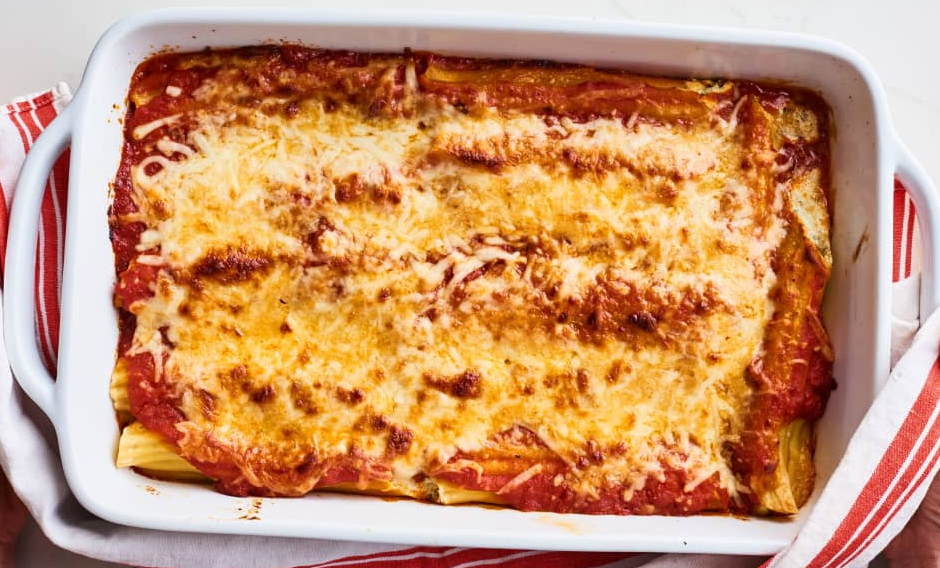
[recipe] Manicotti

Posted on October 30, 2019 By admin

2 tbsp olive oil
400g lean ground beef
1 large shallot, finely chopped
3 cups marinara sauce, divided
14 dried manicotti pasta tubes (225g)
1 (450g) container full-fat ricotta cheese
2 cups shredded mozzarella cheese, divided
1/2 cup finely grated Parmesan cheese, divided
1/2 cup chopped fresh parsley leaves, divided
1 large egg, lightly beaten
1 teaspoon kosher salt

Heat the oil in a large skillet over medium-high heat until shimmering. Add the ground beef and cook until the meat begins to brown, about 5 minutes. Add the shallot, cook until the shallot is translucent and the beef is cooked through, about 5 minutes more. Transfer to a large bowl and set aside to cool to room temperature.

Heat the oven to 375F/190C and prepare the baking dish. Meanwhile, bring a large pot of heavily salted water to a boil. Lightly grease a 9×13-inch baking dish with cooking spray or olive oil. Spread half of the marinara sauce in the bottom of the dish and set aside.

Add the manicotti to the water and boil until they are al dente, about 8 minutes. Drain and set aside.

Combine the ricotta, half of mozzarella, half of the Parmesan, half of the parsley, the egg, and the salt with the cooled beef mixture and stir to combine well.

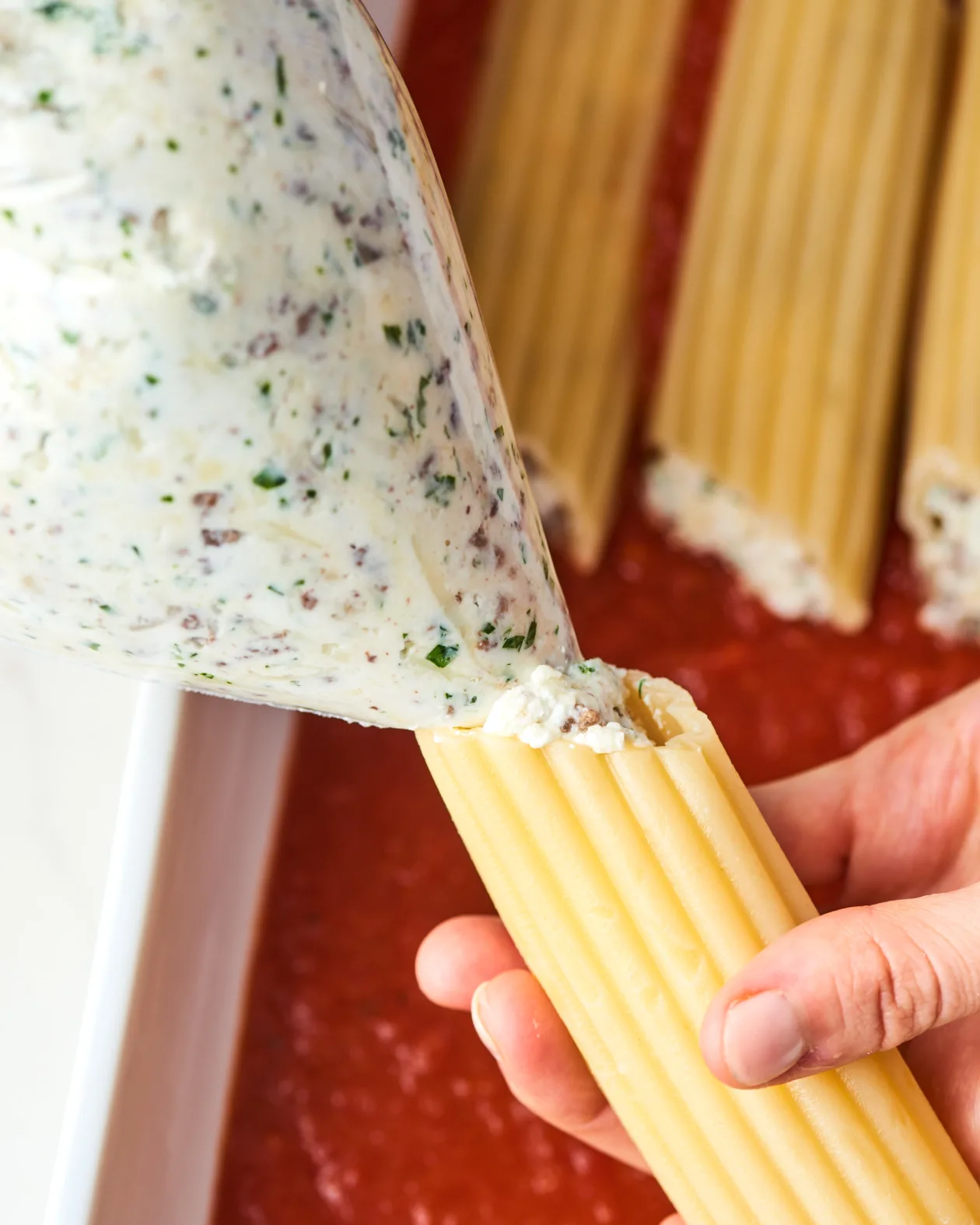
Transfer the beef and cheese mixture to a piping bag or gallon size ziptop bag. Snip off a 1/2-inch hole in one bottom corner of the bag, then pipe the filling into each manicotti tube. Nestle each filled manicotti in the sauce, packed them tightly together in a single layer.

Pour the remaining marinara sauce evenly over the manicotti and sprinkle with the remaining mozzarella and Parmesan.

Bake uncovered until the sauce is bubbly, the cheese is browned, and the noodles are very tender, 35 to 40. Let cool for about 10 minutes before serving. Sprinkle with the remaining parsley just before serving.

uncategorized

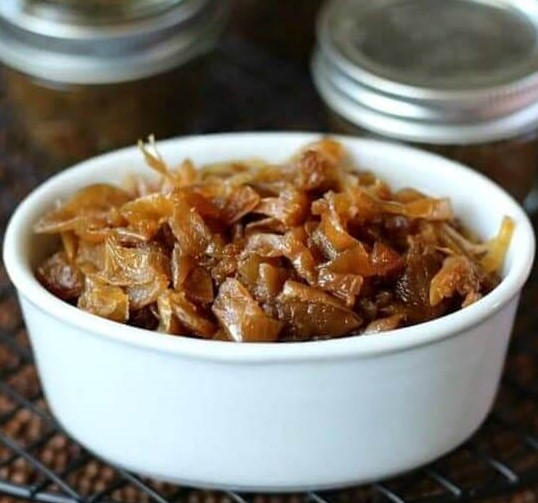
[recipe] Slow-cooker caramelized onions

Posted on October 30, 2019 By admin

3 to 5 pounds white or yellow onions (4 to 5 large onions)
3 tbsp extra-virgin olive oil or melted butter
1/2 tsp salt

Peel and thinly slice all of the onions into half-moons. Transfer all the onions to the slow cooker — the slow cooker should be half to three-quarters full.

Drizzle the olive oil or melted butter and the salt, if using, over the top of the onions. Toss to evenly coat all the onions with a thin glaze of oil.

Cover the slow cooker and cook for 10 hours on LOW. If you’re around while the onions are cooking, stir them occasionally — this will help them cook more evenly, but isn’t strictly necessary. After 10 hours, the onions will be golden-brown and soft, and they will have released a lot of liquid. If you like them as they are now, stop cooking and pack them up.

If you’d like jammier, more concentrated onions with a deeper color, continue cooking for another 3 to 5 hours on LOW. Leave the lid ajar so the liquid can evaporate. Check every hour and stop cooking whenever the onions look and taste good to you.

Remove the onions with a slotted spoon and transfer them to refrigerator or freezer containers. If any liquid remains in the slow cooker, transfer the liquid to a separate container — this can be used as cooking broth in another recipe. Onions will keep in the refrigerator for one week or in the freezer for at least 3 months.

If you’re planning to freeze a portion of your batch (and you should!), I recommend freezing them in containers of multiple sizes: ice cubes of caramelized onions are great for last-minute burger and sandwich toppings, cup-sized portions can be used for pizza and pasta toppings, and larger containers are perfect to throw directly in a soup.

A few notes about your onions:

  • Onions with low moisture content are best. White onions tend to be drier and spicier and therefore an excellent choice to caramelize. When you slow cook them over an extended period, their natural sugars caramelize, and they have this intensely delicious flavor with a nice tender bite to them.
  • Yellow onions often have a milder flavor than white onions. They still caramelize nicely and keep that tender texture. Try to choose large all-purpose yellow onions that are firmer.
  • I would be more reluctant to choose sweet onions (like Spanish yellow onions) as they have a higher moisture content. Sometimes Spanish sweet onions can result in more loss of sugar and therefore less flavor with a more mushier texture. I would recommend using these types of onions more in their raw state like on salads instead of in this recipe.
  • Red onions are definitely on the sweeter side than yellow or white onions. Be aware that they can turn out more grayish or with an almost brownish-burgundy color.
uncategorized

Vote early, vote often!

Posted on October 29, 2019October 30, 2019 By admin

MPs voted by 438 to 20 to have a pre-Christmas election in what is expected to be the most unpredictable contest in a generation.

After Johnson failed to take the UK out of the EU on October 31 as promised, the major battle line will be drawn along on the subject of Brexit. Sadly, he didn’t die in a ditch. Yet another promise that wasn’t upheld.

The Conservatives will campaign to get Brexit done by pushing through Johnson’s deal, while Labour is promising a second referendum to let the people resolve the EU question.

The Brexit party will try to outgun the Tories by arguing for a no deal Brexit, while the Liberal Democrats will seek remain votes from Labour by pledging to revoke article 50.

God knows how the vote will be split once everything is tallied.

uncategorized

Posts pagination

Previous 1 … 84 85 86 … 703 Next

Power to the beaver!

Show me the beaver!
August 2026
M T W T F S S
 12
3456789
10111213141516
17181920212223
24252627282930
31  
« Jul    

Quote of the day

All dwarfs have beards and wear up to twelve layers of clothing. Gender is more or less optional.
--(Terry Pratchett, Guards! Guards!)

Random Posts

  • [Gallery] Pauline Gagnon
  • [recipe] French onion beef noodle soup
  • Comptoir Suisse 2018
  • Early Christmas lunch
  • Programmers at work
reading leopard

Tags

bobble the little blue owl boobies brought to you by the fda cats chonk christmas comics computers are evil covid-19 dealing with idiots dilbert dog ducks galleries geek god bless the land of the free holidays house I am Canadian land of cheese and chocolate linked news lolcat london news from the stupid not my dog nsfw pets pictures potd2014 qotd random shit re-member recipes relationship shrill slice of life stress Tao the british way The Peanut things i miss travel video wine work

Archives

Meta

  • Log in
  • Entries feed
  • Comments feed
  • WordPress.org

Copyright © 2026 The beaver is a proud and noble animal.

Powered by PressBook Premium theme

Loading Comments...